
US Political Shift Looms as Trump Approval Rating Hits Historic Low
Donald Trump's approval rating has sunk to a record 31 percent alongside a 12-point Democratic generic ballot lead, signaling potential policy pivots for US trade and foreign affairs.
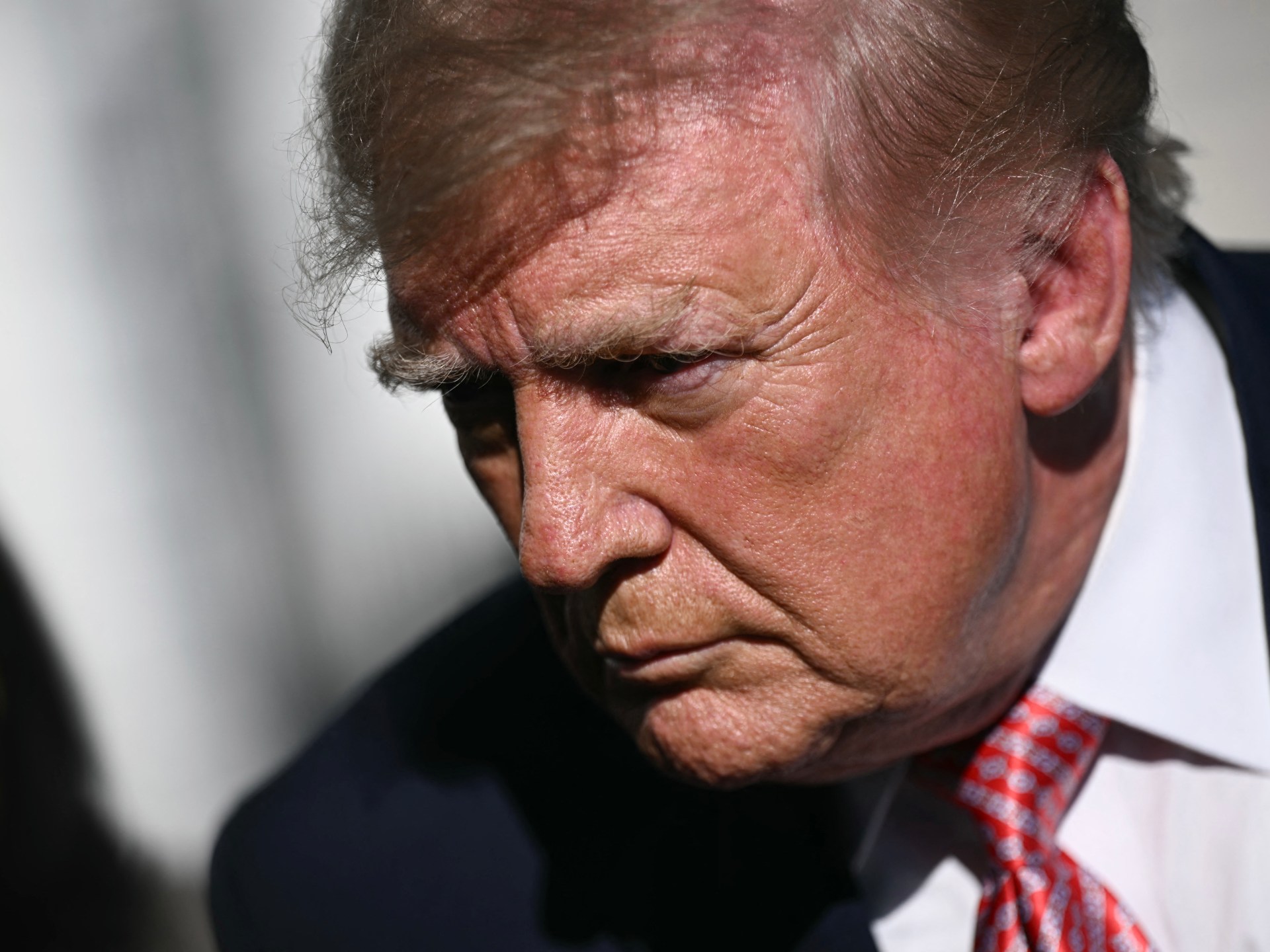
Geopolitical & Core Developments
A new comprehensive survey conducted by Reuters and Ipsos reveals that former US President Donald Trump has recorded his lowest public approval figure on record, descending to 31 percent amid persistent domestic scrutiny and mounting political polarization. Concurrently, the polling highlights a widening 12-point deficit for the Republican Party on generic congressional ballots, with Democrats securing 46 percent preference compared to 34 percent for their conservative counterparts.
This structural shift in American voter sentiment arrives during a pivotal juncture in global diplomatic relations. International allies and strategic adversaries alike monitor US electoral bellwethers closely, recognizing that sustained shifts in legislative authority fundamentally alter the trajectory of US foreign engagement. A diminished domestic base for conservative economic nationalism threatens to undercut prospective executive initiatives, from retaliatory tariffs to unilateral withdrawal threats from international pacts. Strategic planners across North America, Europe, and the Indo-Pacific are consequently revising forecasts, weighing the longevity of current bilateral agreements against the probability of institutional gridlock or ideological reversals in Washington.
Global Trade & Economic Ripples
The prospective resurgence of Democratic authority in the US Congress carries extensive ramifications for cross-border commerce, global supply chains, and sovereign debt markets. Historically, divided government or center-left legislative dominance in Washington favors regulatory predictability, multilateral engagement, and green energy investments, contrasting with the unilateral tariff mechanisms characteristic of Trumpian trade policy. International commodity desks have begun pricing in political risk, with the US Dollar Index showing subtle shifts as institutional investors hedge against future fiscal realignment.
Global energy markets remain particularly attuned to Washington's political pulse. A weaker conservative mandate dilutes expectations of expansive hydrocarbon deregulation and renewed export quotas, sustaining European reliance on diversified liquefied natural gas suppliers across the Atlantic and Gulf basins. Concurrently, maritime shipping lanes and multinational manufacturing consortiums across East Asia and Latin America are reassessing long-term capital expenditure plans. Continued uncertainty regarding prospective tariff escalations compels diversified supply-chain strategies, buffering emerging market economies against unilateral US customs directives.
Related Intelligence: West Bank Settler Violence Faces Scrutiny Amid Shifting Geopolitical Landscape
International Reactions & Diplomatic Stances
Foreign ministries and multilateral institutions have responded to the latest polling data with measured deliberation. Diplomatic missions in Brussels and Tokyo have refrained from formal public interventions, citing standard non-interference protocols regarding domestic democratic processes. Off the record, senior European diplomats acknowledge that an eroding nationalist mandate in Washington reinforces confidence in institutional frameworks, particularly the North Atlantic Treaty Organization and coordinated sanctions regimes targeting adversarial states.
Market analysts and global risk consultancies emphasize that domestic political vulnerability often constrains a leader's capacity to negotiate binding international trade accords. Policy researchers note that when an executive's domestic approval margins breach historic troughs, partner nations routinely defer consequential bilateral concessions, anticipating that successor administrations or divided legislatures will invalidate provisional agreements.
Strategic Outlook & Future Scenarios
Looking ahead, the road to upcoming electoral milestones will test the durability of both major US political parties. Should the 12-point Democratic generic margin persist into the midterms, the ensuing legislative realignment would severely constrain any unilateral executive agenda, restoring conventional checks and balances across trade, defense funding, and foreign aid programs.
Conversely, an intensely contested political landscape could exacerbate institutional friction, resulting in legislative impasses over federal debt limits, foreign military assistance packages, and multilateral climate commitments. Global stakeholders, from energy trading consortiums to sovereign wealth funds, will continue monitoring subsequent polling cycles to calibrate their exposure to US policy volatility, preparing for an era defined by fluctuating regulatory regimes and shifting geopolitical priorities.
Join Our Official WhatsApp Channel
Receive live commodity alerts, policy changes, and commercial intelligence directly on WhatsApp.