
West Bank Settler Violence Faces Scrutiny Amid Shifting Geopolitical Landscape
Independent investigations into West Bank settler violence challenge official narratives, amplifying diplomatic pressure and elevating strategic instability across Middle Eastern trade corridors.
Geopolitical & Core Developments
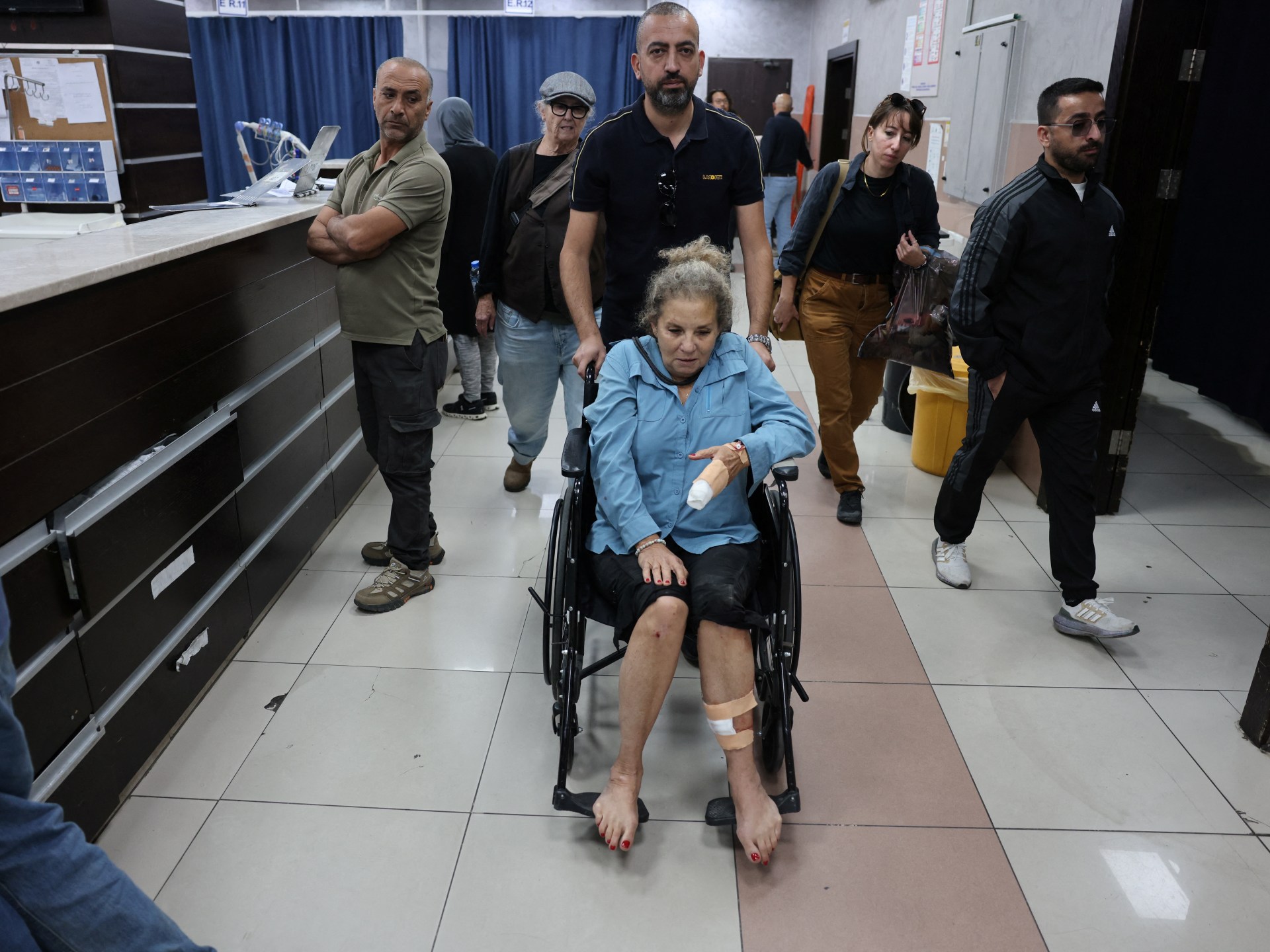
A detailed forensic examination of satellite imagery, geolocation coordinates, and synchronized digital timelines has directly challenged official accounts surrounding recent settler violence in the occupied West Bank, specifically highlighting an incident involving photojournalist Heidi Levine. The documentation reveals inconsistencies between state narratives regarding emergency response times, perimeter security deployments, and the verified movements of civilian populations and armed settler groups. The findings bring renewed international scrutiny to escalating confrontations across the territory, where localized incidents increasingly threaten broader regional diplomatic frameworks.
The strategic implications extend well beyond municipal borders. For regional actors, including Jordan, Egypt, and members of the Gulf Cooperation Council, internal unrest within the Palestinian territories creates compounding political friction. Security analysts emphasize that systemic instability in the West Bank weakens multilateral normalization tracks and complicates ongoing regional security negotiations. As state and non-state actors recalibrate their diplomatic posturing, documented breaches of operational protocols continue to test the credibility of official oversight mechanisms.
Global Trade & Economic Ripples
While localized land disputes appear geographically contained, their commercial reverberations impact broader Middle Eastern supply chains and investment sentiment. The persistent threat of violence across major arterial routes within the Levant elevates sovereign risk premiums, deterring long-term institutional capital allocation in regional infrastructure initiatives, including proposed cross-border transport and energy corridors connecting the Gulf to the Mediterranean.
Energy markets remain hyper-sensitive to localized escalations that threaten to spiral into broader confrontations involving key regional producers and maritime checkpoints. A deteriorating security posture increases insurance premiums for regional transit and shipping through the Eastern Mediterranean and Red Sea corridors. Furthermore, multi-national logistics operators face operational delays and compliance costs associated with heightened border controls and checkpoint closures. Emerging market debt spreads across the region reflect this elevated uncertainty, prompting institutional investors to adopt defensive hedging strategies against sustained geopolitical volatility.
Related Intelligence: West Bank Civil Defense Surges as Settler Violence Escalates
International Reactions & Diplomatic Stances
The evidentiary revelations have prompted swift diplomatic statements from international oversight bodies and bilateral partners. Spokespersons for the United Nations Office for the Coordination of Humanitarian Affairs reiterated calls for transparent, independent investigations into attacks against civil society actors and foreign journalists, warning that impunity systematically undermines international humanitarian law.
In Western capitals, policymakers face intensifying domestic pressure to expand targeted asset freezes and visa restrictions against violent non-state actors operating in the West Bank. The European External Action Service indicated that continued violations of international conventions risk impinging upon bilateral economic partnership dialogues. Concurrently, regional foreign ministries have condemned the attacks, characterizing official omissions as material impediments to establishing a viable two-state framework and stabilizing broader Levantine security architecture.
Strategic Outlook & Future Scenarios
The forward trajectory will largely depend on the willingness of regulatory and security authorities to enforce accountability measures against extremist factions. Should official inquiries continue to diverge from verifiable geospatial and open-source intelligence, diplomatic friction with key Western partners is expected to intensify, likely accelerating coordinated secondary sanctions.
In an alternative scenario, coordinated diplomatic intervention led by regional stakeholders could establish robust third-party monitoring mechanisms to mitigate flashpoints along major commercial routes. However, failure to address systemic enforcement gaps increases the likelihood of localized conflicts evolving into systemic security crises, directly impacting Levant-area shipping logistics and elevating global risk premiums across agricultural, mineral, and energy commodities reliant on Eastern Mediterranean connectivity.
Join Our Official WhatsApp Channel
Receive live commodity alerts, policy changes, and commercial intelligence directly on WhatsApp.