
US Political Crossroads: Trump Campaign Shift and Emerging Market Economic Repercussions
As Donald Trump conducts what may be his final high-profile campaign rallies, international markets and Pakistani trade networks prepare for the shifting macroeconomic fallout of changing US legislative dynamics.
The Core Development
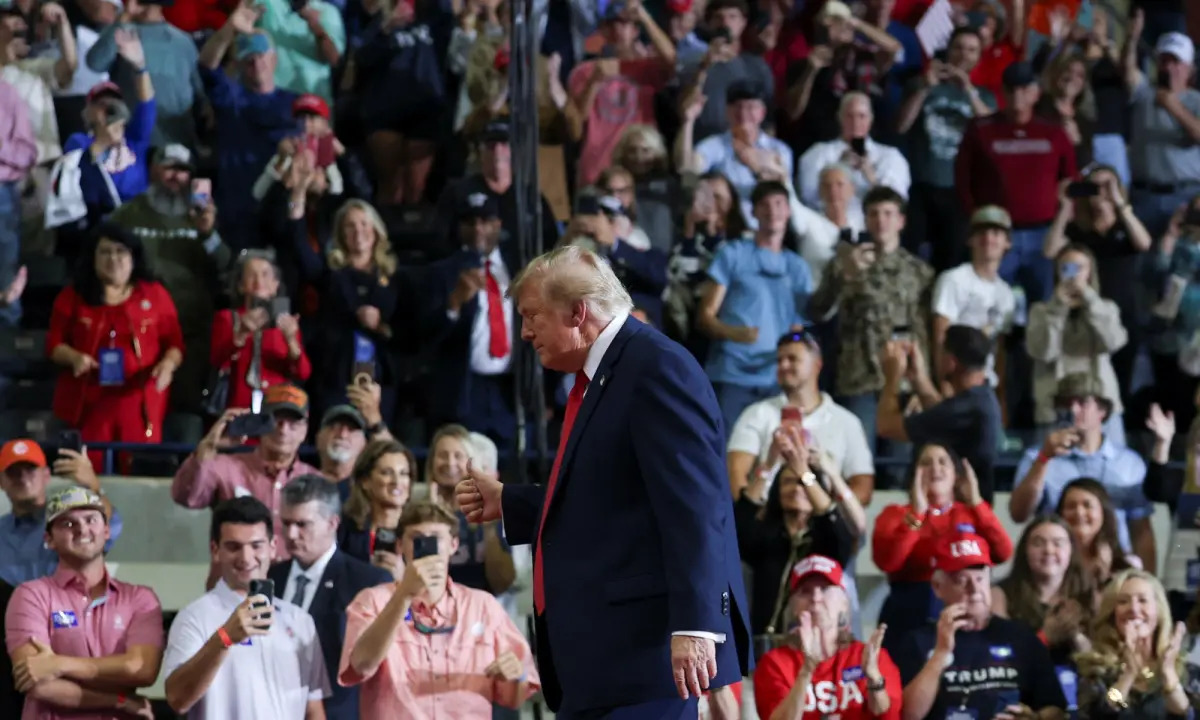
From Greenville, North Carolina, across critical battleground districts, former US President Donald Trump has been staging expansive campaign events ahead of high-stakes federal elections. Described by attendees as a singular fixture of modern political spectacle, these large-scale gatherings have mobilized diverse demographics, from first-time collegiate voters to steadfast supporters since 2015. However, as Trump navigates what analysts widely regard as his final major campaign cycle, the era of these distinctive political assemblies approaches an inevitable conclusion. With legislative majorities hanging in the balance, both the Republican and Democratic parties are contending with shifting electoral margins that could fundamentally reshape Washington’s legislative priorities, executive authority, and external economic engagement.
Beyond the theatrical atmosphere of the campaign trail, the rhetoric emerging from these platforms holds direct relevance for global capital allocators. Policy discourse has increasingly centered on domestic industrial protectionism, extensive tariff structures, revised energy exploitation policies, and broader fiscal realignments. Because the balance of power in Washington dictates the trajectory of US sovereign debt management, federal borrowing yields, and multilateral trade treaties, the ongoing political transition carries immediate consequences well beyond American borders.
Commercial & Economic Implications
For Pakistan’s commercial ecosystem, including retail enterprises, wholesale distributors, and industrial supply lines, shifts in US political leadership reverberate directly through fiscal channels. US fiscal policy dictates the strength of the greenback; when protectionist expectations elevate the US Dollar Index (DXY), emerging-market currencies including the Pakistani Rupee face intensified depreciation pressure. This dynamic directly elevates the landed cost of raw materials, energy imports, and consumer durables distributed across local commercial markets.
Wholesale traders operating in regional commercial centers face ongoing inventory valuation challenges. Heightened tariff talk between Washington, Beijing, and regional trading blocs disrupts primary manufacturing lines, shifting global supply chain patterns. Should renewed trade friction materialize following these elections, Pakistani textile exporters may see shifting buyer preferences, while domestic importers could encounter elevated freight rates and erratic input prices, translating directly into localized headline inflation.
Stakeholder Perspectives & Market Reactions
Financial sector analysts and trade associations are monitoring election developments closely. Regional commerce federations note that prolonged fiscal polarization in Washington creates uncertainty in bilateral trade quotas and concession frameworks. Legal and financial advisors emphasize that multilateral lending structures, including international debt stabilization facilities crucial to emerging economies, are deeply influenced by the executive and congressional composition of the United States.
Domestic market participants maintain a cautious posture. In Pakistan’s major trading hubs, importers and corporate treasuries are actively mitigating forward exchange risks. Trader representatives observe that sudden shifts in foreign exchange reserves or erratic import tariffs destabilize pricing formulas across key sectors, including automotive parts, electronics, and agricultural inputs, prompting institutional buyers to hedge against sustained currency volatility.
Forward Outlook & Key Watchpoints
As the election calendar advances toward final ballot certifications, attention will pivot toward legislative majorities in both houses of the US Congress. A divided legislature could create persistent fiscal impasses regarding government spending and debt ceilings, while a unified majority would accelerate legislative implementation of tariff revisions and tax reforms.
Key watchpoints for Pakistani business houses include benchmark US Federal Reserve policy responses to election-driven deficit expectations, adjustments in international crude oil prices, and bilateral trade engagement terms. Commercial actors and supply-chain operators must retain flexible procurement models, robust currency buffers, and responsive inventory controls over the coming two quarters to navigate the emerging global macroeconomic landscape.
Join Our Official WhatsApp Channel
Receive live commodity alerts, policy changes, and commercial intelligence directly on WhatsApp.