
Bukele Orders Military Operation Following Abduction of Salvadoran Soldiers in Haiti
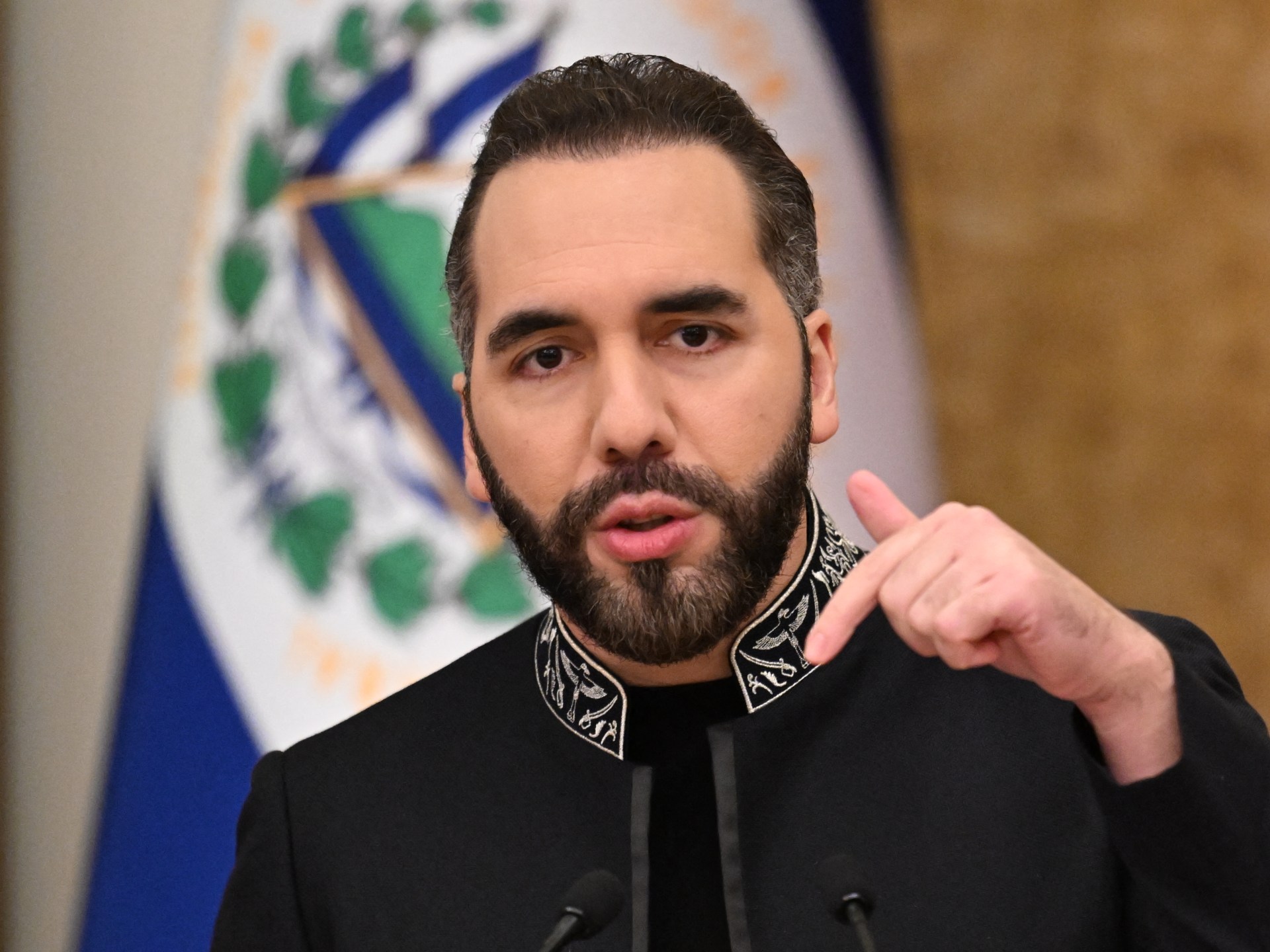
President Nayib Bukele has launched a military operation to secure the release of four Salvadoran soldiers abducted in Haiti, significantly escalating regional intervention risks.
Geopolitical & Core Developments
El Salvador President Nayib Bukele announced an immediate overseas military rescue operation following the abduction of four Salvadoran armed forces personnel in Haiti. The deployment marks an unprecedented projection of Central American force into the volatile Caribbean nation, which has suffered severe institutional collapse, gang-dominated urban warfare, and chronic political paralysis. The soldiers, operating within an international security framework supporting stabilization efforts, were intercepted by heavily armed criminal syndicates in Port-au-Prince.
Bukele stated that special operations units have been mobilized, issuing direct warnings to Haitian gang leadership that any harm to the captured service members would be met with overwhelming tactical retaliation. The incident represents a dangerous inflection point for multinational stabilization initiatives. Haiti's transition authorities, supported intermittently by United Nations frameworks and a Kenyan-led policing mission, have struggled to regain control of critical infrastructure, sea terminals, and governmental enclaves from organized criminal coalitions.
Global Trade & Economic Ripples
The deepening instability in Haiti and the introduction of unilateral state interventions introduce systemic friction into Caribbean maritime routes and regional trade hubs. Port-au-Prince's commercial harbors, essential for food imports and basic industrial commodities, remain subject to sporadic operational freezes, driving up cargo detention charges and vessel rerouting costs across neighboring Dominican Republic and Bahamian transshipment centers.
Marine insurers have signaled potential upward revisions for war-risk premiums covering regional shipping corridors in the northern Caribbean basin. Heightened sovereign fragility compounds logistical disruptions for bulk food staples, agricultural fertilizers, and refined petroleum products directed to island nations. While broader crude and dry-bulk indices remain insulated from local disruption, the rising operational costs directly impair Caribbean trade integration, prompting logistics operators to circumvent direct calling routes in favor of expensive feeder services.
Related Intelligence: Government Seeks Fresh Talks With Jamaat-e-Islami Over Petroleum Levy
International Reactions & Diplomatic Stances
The diplomatic fallout has been swift across multinational institutions. Representatives at the United Nations have reiterated urgent appeals for de-escalation, underscoring that foreign operations on Haitian sovereign territory must adhere strictly to international legal mandates and coordinate with the Multinational Security Support (MSS) mission.
Regional bodies, including the Caribbean Community (CARICOM) and the Organization of American States (OAS), expressed alarm over the security vacuum that permitted state soldiers to be captured, while cautioning against uncoordinated military actions that could ignite broader civilian casualties. Washington, which has provided logistical and financial backing for the multinational policing deployment, noted it is monitoring developments closely, emphasizing the protection of foreign personnel and the preservation of humanitarian supply corridors.
Strategic Outlook & Future Scenarios
The immediate trajectory hinges on the execution and outcome of the Salvadoran rescue operation. A kinetic confrontation in the densely populated sectors of Port-au-Prince threatens to trigger asymmetric retaliatory strikes by Haitian gang networks against international personnel, potentially halting commercial port operations entirely.
Diplomatically, Bukele's uncompromising stance may prompt regional leaders to demand accelerated funding and expanded defense equipment for international forces operating in Haiti. If the standoff prolongs, Latin American and Caribbean governments will face renewed pressure to formalize tighter bilateral security protocols, recalibrate maritime surveillance across the Windward Passage, and address the mounting economic fallout of unchecked territorial non-state actors.
Join Our Official WhatsApp Channel
Receive live commodity alerts, policy changes, and commercial intelligence directly on WhatsApp.