
US Embassy Accuses Canada of Election Meddling as Trade Friction Escalates
Diplomatic ties between Washington and Ottawa have sharply deteriorated after the US Embassy accused Canada of midterm election meddling, sparking swift pushback from Canadian Prime Minister Mark Carney amid escalating cross-border trade tensions.
Geopolitical & Core Developments
A severe diplomatic rift has emerged between the United States and Canada following extraordinary allegations leveled by the US diplomatic mission in Ottawa accusing Canadian officials of attempting to influence upcoming US midterm elections. The accusation marks an unprecedented fracture in one of the world's most stable bilateral partnerships, traditionally characterized by close intelligence sharing, integrated continental defense, and deep macroeconomic interdependence.
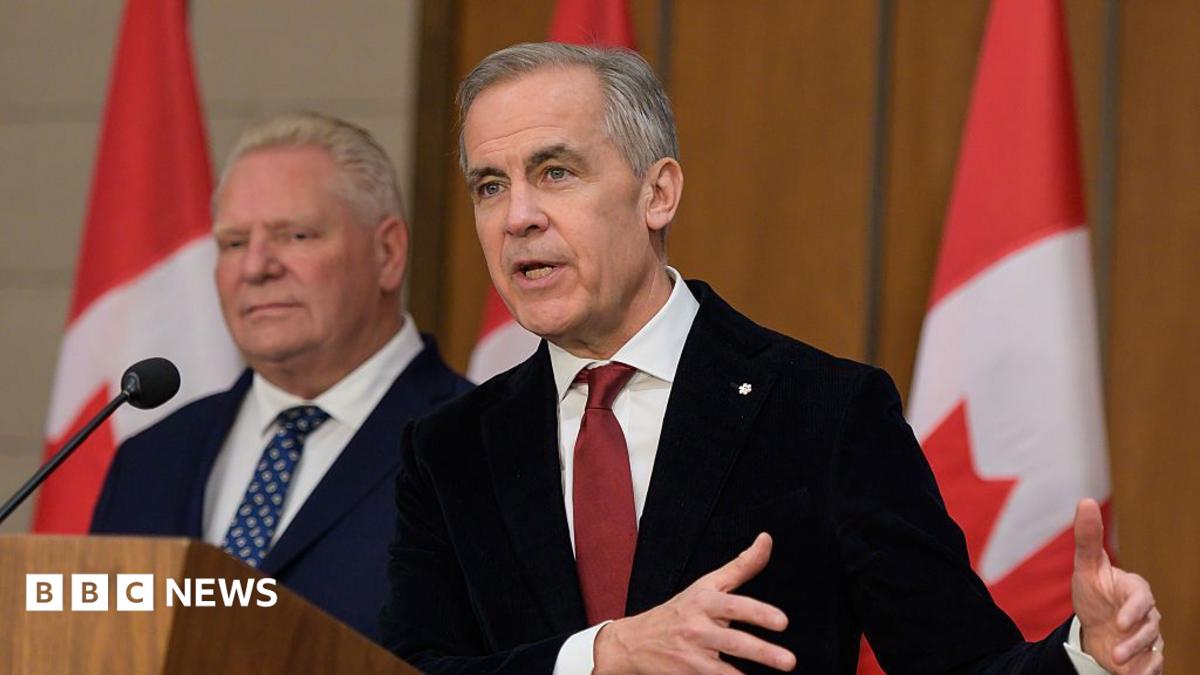
Canadian Prime Minister Mark Carney forcefully rejected the allegations during an emergency press briefing, characterizing the claims as unsubstantiated and politically motivated. Carney underscored that the friction between the two capitals stemmed directly from recent unilateral trade actions and protectionist measures initiated by Washington against Canadian industrial exports. The Prime Minister maintained that Ottawa's diplomatic representations and cross-border public engagements were standard advocacy measures designed to defend national economic interests rather than covert political interference.
The diplomatic confrontation reflects surging domestic political volatility within the United States ahead of crucial legislative elections. Bilateral communications across the northern border have become increasingly politicized, with traditional backchannel negotiations on regulatory harmony and border efficiency now yielding to public recriminations and heightened diplomatic surveillance.
Global Trade & Economic Ripples
The sudden diplomatic freeze poses immediate risks to North American supply chain integration, particularly within critical industrial sectors governed by the United States-Mexico-Canada Agreement (USMCA). Bilateral commerce, which exceeds $700 billion annually, relies heavily on high-frequency, just-in-time transit across northern land corridors. Growing friction threatens to disrupt cross-border automotive manufacturing clusters in Ontario and the US Midwest, where components cross the border multiple times before final assembly.
Energy and commodity markets are monitoring the dispute closely. Canada remains the largest foreign supplier of crude oil, natural gas, refined petroleum, and uranium to the United States. While cross-border pipeline flows through networks operated by Enbridge and TC Energy remain uninterrupted, traders are factoring in heightened political risk premiums for Canadian Western Canadian Select (WCS) differentials. Currency markets also reacted swiftly, with the Canadian dollar facing downward pressure against the greenback amid fears of potential retaliatory regulatory reviews, non-tariff barriers, or targeted administrative customs delays at major ports of entry including the Ambassador Bridge.
Related Intelligence: Government Seeks Fresh Talks With Jamaat-e-Islami Over Petroleum Levy
International Reactions & Diplomatic Stances
Multilateral bodies and major trade partners have observed the escalating discord with pronounced concern. Representatives from the World Trade Organization (WTO) noted informally that weaponizing political allegations to counter legitimate trade advocacy undermines dispute resolution frameworks enshrined in international commerce pacts.
Mexican trade officials, serving as the third pillar of the continental trade bloc, expressed alarm that bilateral hostility between Ottawa and Washington could imperil regional investment competitiveness. Commercial federations, including the Canadian Chamber of Commerce and the US National Association of Manufacturers, issued joint appeals urging both administrations to de-escalate rhetoric and decouple legitimate commercial discussions from electoral posturing.
Wall Street credit rating agencies and international sovereign risk analysts cautioned that protracted hostilities could dampen foreign direct investment into integrated cross-border infrastructure, especially clean energy and critical mineral joint development initiatives previously subsidized through bilateral strategic compacts.
Strategic Outlook & Future Scenarios
The trajectory of US-Canada relations over the coming quarters hinges significantly on post-midterm legislative configurations in Washington. In the immediate term, bilateral summits and ministerial consultations on energy transition, continental air defense modernization under NORAD, and perimeter security risk being stalled or downgraded.
Should the White House proceed with formal diplomatic reprimands or punitive trade investigations under Section 301 provisions, Ottawa is expected to lodge formal dispute challenges under USMCA Chapter 31 mechanisms, while preparing reciprocal retaliatory tariffs on politically sensitive American agricultural and manufacturing commodities. The erosion of institutional trust between these traditional allies signals a volatile period for continental governance, indicating that broader global trends of protectionism and diplomatic assertiveness have now permeated the longest undefended border in the world.
Join Our Official WhatsApp Channel
Receive live commodity alerts, policy changes, and commercial intelligence directly on WhatsApp.