
US Midterm Elections Drive Unprecedented Political Spending and Global Market Realignment
Record political spending and pivotal congressional contests define the 2026 US midterm elections, carrying profound monetary, trade, and exchange rate implications for international markets and emerging economies.
The Core Development
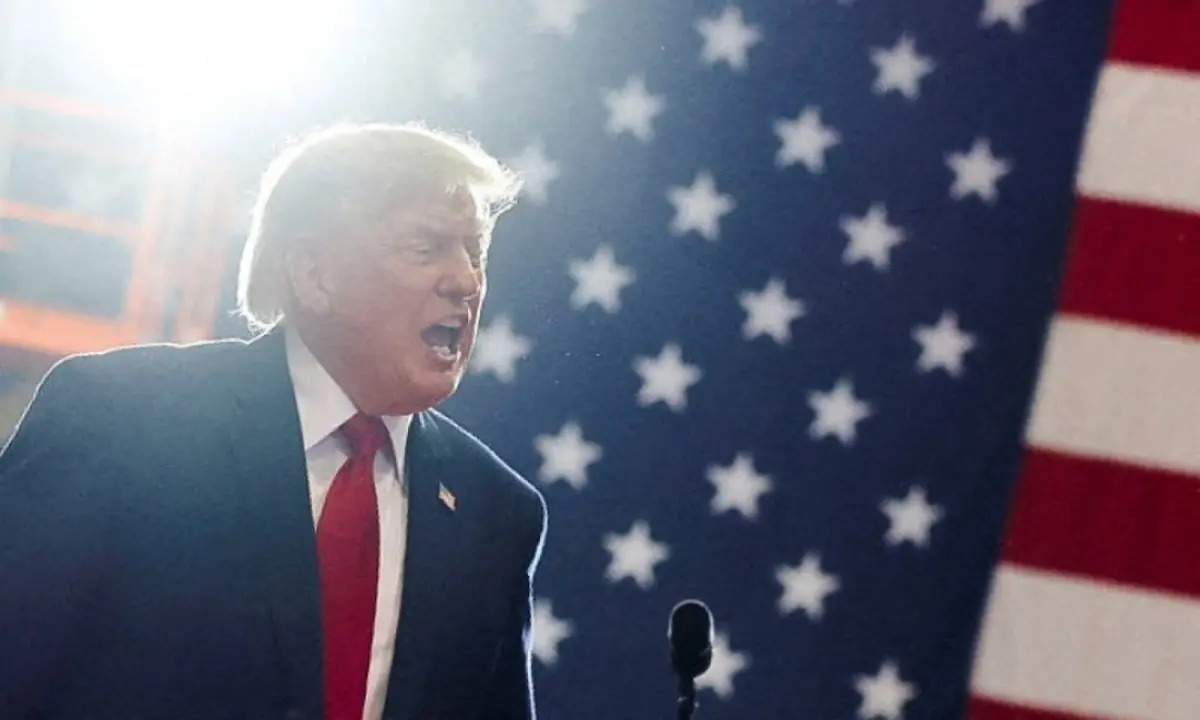
Early balloting across the United States has accelerated ahead of the November 3, 2026 midterm elections, representing a high-stakes legislative referendum that will determine the composition of the House of Representatives, one-third of the Senate, and critical gubernatorial seats nationwide. Although midterm contests do not feature a presidential ticket, voter mobilization mirrors presidential-cycle intensities. Over 100 million ballots are anticipated to be cast, matching or surpassing the benchmark voter participation witnessed in 2022.
Campaign finance metrics reveal historic resource mobilization. According to media analytics firm AdImpact, political advertising expenditures crossed a record 3.8 billion dollars by mid-October. Key battleground states—notably Texas, Ohio, and Michigan—dominate this allocation, functioning as the decisive arbiters of control over the federal legislative agenda. Campaign finance disclosures further indicate historic private contributions, with industrialist Elon Musk allocating an estimated 366 million dollars to bolster Republican candidates. This concentration of capital underscores deep structural polarization over domestic industrial subsidies, energy mandates, regulatory frameworks, and foreign economic commitments.
Commercial & Economic Implications
While localized to the American political sphere, the legislative balance established on November 3 carries sweeping operational ramifications for foreign trading economies, notably Pakistan. The US remains Pakistan's largest single export destination, particularly for textile value-addition, home furnishings, and finished apparel. A shift in congressional majorities has direct consequences for the renewal of duty-free trade preferences, generalized customs policies, and tariff structures.
Should legislative control shift toward hawkish fiscal positions, federal deficits could trigger higher US Treasury yields, prolonging high global interest rates and supporting a stronger US Dollar. For Pakistani importers and commercial traders dealing in commodities, industrial raw materials, and machinery, dollar appreciation inflates landed costs, expands the trade deficit, and compounds imported inflation. Conversely, any resulting paralysis in federal trade policy may alter American engagements with multilateral lending agencies, directly influencing loan conditions, external debt rollovers, and fiscal structural benchmarks required by the International Monetary Fund.
Related Intelligence: Starbucks Tightens China Store Policy Amid Escalating Retail Rivalry
Stakeholder Perspectives & Market Reactions
Institutional investors and corporate associations in emerging economies are monitoring election outcomes with measured caution. Leading Pakistani export consortiums, including representatives from the All Pakistan Textile Mills Association (APTMA) and regional chambers of commerce, highlight that consistency in Western trade policies is vital for order books and supply chain predictability. Importers of specialized industrial inputs emphasize that fluctuating trade barriers or increased protectionist sentiment could disrupt established procurement lanes.
Financial analysts maintain that the immediate impact on equity and currency markets will manifest through foreign portfolio capital flows. High-yield environments in developed capital markets, driven by aggressive domestic borrowing in Washington, historically dampen institutional risk appetite for frontier and emerging assets. Legal scholars and geopolitical strategists note that congressional committees exercise immense discretionary power over sanctions enforcement, export controls, and foreign aid pipelines, creating indirect market headwinds for bilateral commercial arrangements.
Forward Outlook & Key Watchpoints
As election day approaches, financial and retail sectors must track critical markers beyond pure voter turnout. The conclusive certification of congressional majorities will determine whether the upcoming legislative term yields fiscal retrenchment or expanded protectionist industrial subsidies. Crucial legislative watchpoints include subsequent authorizations for federal farm bills, trade preference extensions, and climate transition policies that affect global freight logistics.
For procurement executives and merchant houses in developing trade networks, foreign currency management remains the paramount priority through the final quarter of the year. Market volatility surrounding the certified results could trigger short-term turbulence in the interbank currency market, necessitating hedging strategies for forward contracts on high-value industrial shipments.
Join Our Official WhatsApp Channel
Receive live commodity alerts, policy changes, and commercial intelligence directly on WhatsApp.