
Federal Court Rejects US Administration Voter Data Cross-Referencing
A US federal judge has ruled the Justice Department's cross-referencing of voter data with immigration databases unlawful, carrying subtle ripples for domestic stability and institutional risk perceptions.
Geopolitical & Core Developments
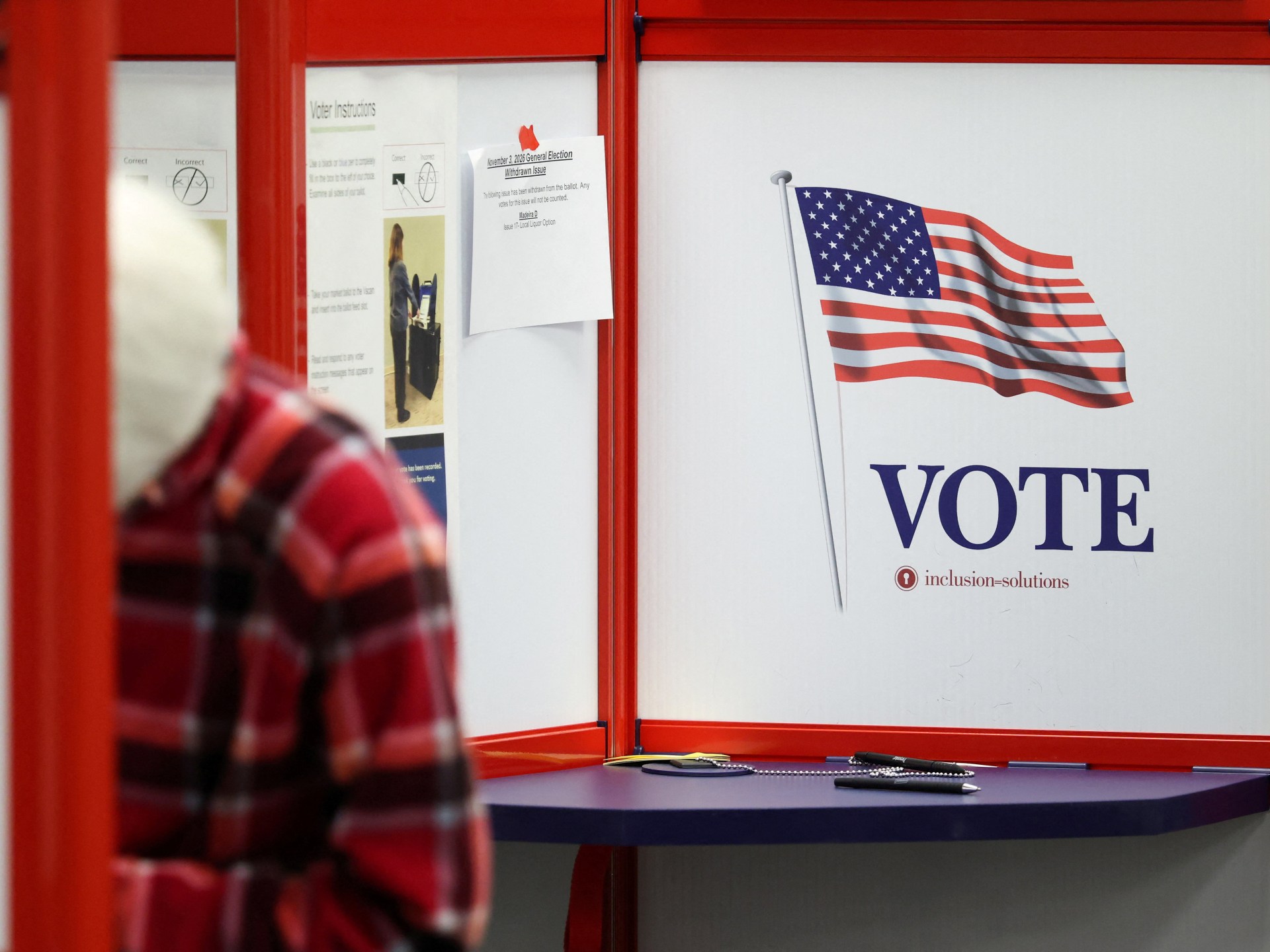
A United States federal judge has delivered a decisive legal blow to federal overreach, ruling that the Department of Justice's utilization of state voter registry data to cross-reference immigration databases constitutes an unlawful administrative practice. The judicial intervention addresses a contentious policy framework that has long drawn sharp criticism from civil liberties organizations and state-level officials alike. At the core of the legal challenge was the executive branch's aggressive posture on domestic surveillance and data integration, leveraging electoral rolls—historically shielded by strict statutory confidentiality expectations—for immigration enforcement directives.
State actors and legal scholars have closely monitored the proceedings, viewing the judgment as a critical test of separation of powers and federalism within the United States. The timeline of events traces back to coordinated administrative initiatives designed to tighten immigration enforcement through non-traditional domestic databases. By utilizing voter registration files, federal agencies bypassed conventional legislative channels, creating a friction point between federal enforcement mandates and state-managed electoral infrastructure. The strategic stakes extend far beyond immediate judicial relief, highlighting an ongoing struggle over the boundaries of executive authority in managing national borders versus protecting civilian privacy.
Global Trade & Economic Ripples
While the court's decision is fundamentally a domestic legal and constitutional matter, international commodity markets and global trade participants monitor US regulatory predictability with acute sensitivity. Institutional stability, adherence to the rule of law, and transparent administrative procedures form the bedrock of foreign direct investment (FDI) into the United States. Sudden shifts in federal data practices, followed by judicial pushback, introduce a layer of legal volatility that foreign multinational corporations factor into their risk assessments.
Although direct impacts on global energy markets, shipping lanes, and primary commodity pricing remain negligible, the broader economic narrative involves regulatory compliance and sovereign risk. International trading partners operating within North American markets analyze judicial constraints on executive power as indicators of systemic resilience. Currency markets, particularly the US Dollar index, experience minimal direct fluctuation from such rulings, yet foreign exchange strategists consistently price in the long-term economic dividends of robust, predictable institutional checks and balances.
Related Intelligence: Mexican Court Convicts Three in Murder of Foreign Surfers
International Reactions & Diplomatic Stances
Foreign governments, multilateral bodies, and international financial institutions have largely categorized the ruling as an internal constitutional affair, yet diplomatic circles recognize its symbolic resonance regarding democratic norms. Observers from key trade partner nations note that the judicial decision underscores the enduring strength of independent judicial review within the US constitutional framework. International human rights organizations have praised the verdict, framing it as a vital defense of citizen privacy against state-sponsored data aggregation.
Market analysts and geopolitical risk consultancies have integrated the ruling into broader assessments of US political stability ahead of upcoming legislative and executive electoral cycles. While foreign ministries have not issued formal diplomatic notes, sovereign wealth funds and institutional investors maintain a watchful posture, assessing whether subsequent appellate reviews might reintroduce regulatory uncertainty into domestic data management protocols.
Strategic Outlook & Future Scenarios
Looking ahead, the trajectory of this legal challenge points toward anticipated appeals by the Department of Justice, potentially elevating the dispute to higher appellate tiers or the Supreme Court. The ultimate resolution of this conflict will establish a definitive legal precedent regarding the limits of inter-agency data sharing and the protection of voter information.
Upcoming federal policy adjustments, alongside potential congressional legislative initiatives, will serve as critical barometers for future regulatory stability. For international observers and commercial entities engaged in cross-border commerce, the unfolding legal battle highlights the necessity of continuous regulatory monitoring, ensuring that multinational operations remain insulated from the downstream effects of domestic US legal and political realignments.
Join Our Official WhatsApp Channel
Receive live commodity alerts, policy changes, and commercial intelligence directly on WhatsApp.