
France Student Protests Expose Deep Political Polarization and Economic Vulnerability
Widespread student protests across France highlight severe domestic polarization, threatening economic stability and investor confidence within the eurozone.
Geopolitical & Core Developments
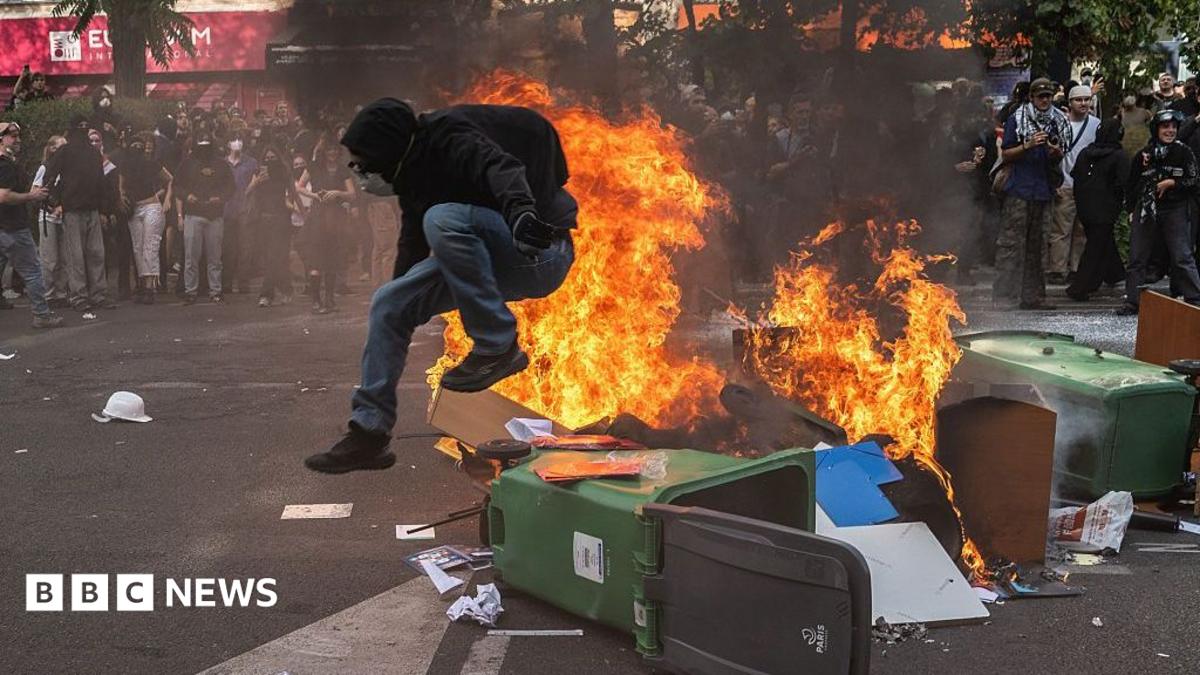
Recent student-led mobilizations across France have transcended traditional campus grievances, transforming into a potent symbol of a deeply fractured nation. The unrest, crystallized by the inflammatory sentiment that police authority faces unprecedented public hostility, reflects a systemic crisis in governance and social cohesion. For months, escalating tensions between youth movements and state security apparatuses have turned French urban centers into flashpoints for broader societal discontent. This friction is not isolated; it mirrors a broader European trend where younger demographics feel alienated by rigid state policies, economic stagnation, and perceived authoritarian overreach.
Historically, French student movements wield considerable political weight, capable of forcing legislative retreats or catalyzing nationwide labor strikes. The current wave of protests coincides with stringent government efforts to implement structural reforms in public education, pension systems, and labor markets. As demonstrators blockade high schools and universities, clashes with law enforcement have laid bare the eroded trust between the state and its citizenry. Diplomatic observers note that chronic domestic instability undermines France's traditional leadership role within the European Union, distracting Paris from critical continental security and economic integration initiatives at a time when unified European leadership is paramount.
Global Trade & Economic Ripples
While the protests are ostensibly domestic, their commercial and economic repercussions extend far beyond French borders. France represents the eurozone's second-largest economy, and persistent civil unrest introduces severe supply chain disruptions, logistical bottlenecks, and operational paralysis in major metropolitan logistics hubs. Transportation strikes and transit blockades directly impact cross-border freight movement, delaying intra-European trade and increasing logistics overhead for multinational corporations operating within the region.
Furthermore, the perception of unmitigated social unrest weighs heavily on foreign direct investment (FDI) and sovereign risk assessments. International rating agencies monitor these developments closely, weighing the fiscal cost of potential government concessions against the risk of prolonged economic paralysis. Consumer confidence within the eurozone has experienced downward pressure, dampening retail activity and weakening the euro against major trading currencies. Commodities tied to European industrial demand, including refined metals and energy products, face localized pricing volatility as traders price in the risk of sustained domestic disruption.
Related Intelligence: US Immigration Enforcement Actions Spur Domestic Markets and Diplomatic Scrutiny
International Reactions & Diplomatic Stances
International bodies and foreign governments have expressed cautious concern regarding the trajectory of domestic stability in France. The European Commission has privately urged Paris to prioritize constructive dialogue while maintaining fiscal prudence, fearing that prolonged unrest could derail broader eurozone economic recovery targets. Trade partners in North America and Asia are closely evaluating the safety of their expatriate workforces and commercial assets within French urban centers, with some multinational firms temporarily enacting contingency protocols for executive travel.
Market analysts and geopolitical risk consultancies have upgraded France's political risk index, warning clients that state vulnerability to organized civil disobedience could complicate upcoming legislative agendas. Financial institutions in London and Frankfurt note that international capital is adopting a wait-and-see approach, withholding major capital allocation decisions until the French government demonstrates a clear capacity to restore public order without inflicting long-term damage on institutional credibility.
Strategic Outlook & Future Scenarios
Looking ahead, the resolution of these protests will depend heavily on the French administration's willingness to engage in substantive labor and educational reforms. Failure to address the root causes of youth disenfranchisement risks entrenching a cycle of cyclical unrest, potentially aligning student factions with disaffected labor unions ahead of upcoming national budget negotiations.
For international markets and strategic planners, France remains a high-priority watchlist item. Upcoming electoral cycles and parliamentary showdowns will serve as critical litmus tests for the current administration's survival and reform capacity. If political fragmentation deepens, Europe risks entering a period of prolonged policy paralysis, impairing its ability to respond cohesively to global economic headwinds and geopolitical competition.
Join Our Official WhatsApp Channel
Receive live commodity alerts, policy changes, and commercial intelligence directly on WhatsApp.