
UK Arrests British-Iranian National Over Alleged RAF Base Plot
British counter-terrorism police have arrested a British-Iranian national as part of an expanding investigation into a suspected security plot targeting RAF Fairford, raising concerns over potential foreign state-backed sabotage.
Geopolitical & Core Developments
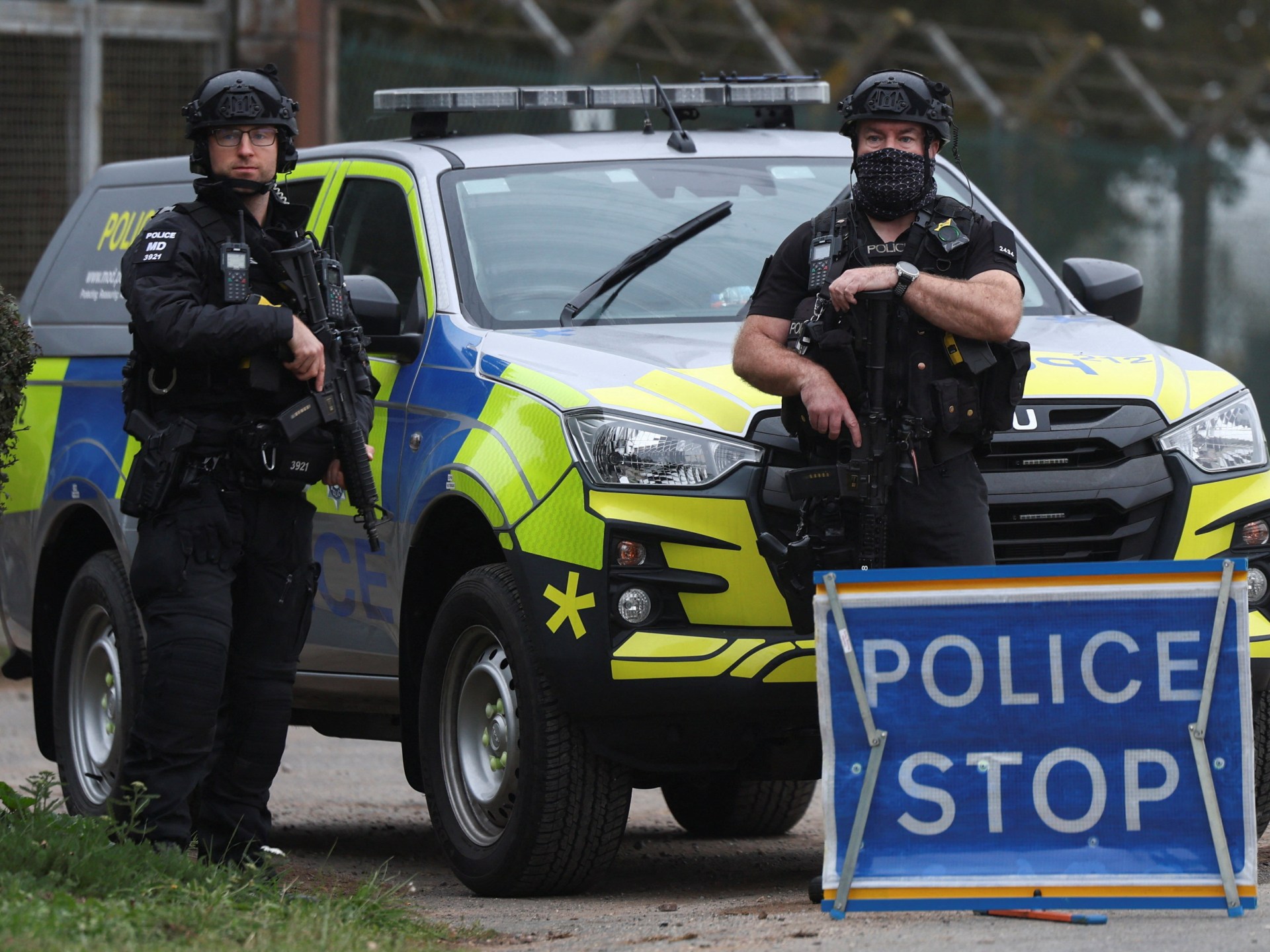
British counter-terrorism command has escalated its investigation into a major security breach following the arrest of a sixth suspect, a British-Iranian national, linked to an alleged plot targeting Royal Air Force (RAF) Fairford in Gloucestershire. The facility, a critical strategic hub frequently utilized by both the Royal Air Force and the United States Air Force for heavy bomber deployments and global reconnaissance missions, has been placed under heightened security protocols. Metropolitan Police counter-terrorism officers, working in tandem with regional intelligence agencies, are actively probing potential foreign state involvement. Investigators are reviewing whether the incident forms part of a broader, coordinated campaign of hostile state-backed reconnaissance and infrastructure targeting across Western Europe. The involvement of a dual national has immediately drawn sharp focus from security analysts who track covert operations, asymmetric warfare, and intelligence-gathering activities conducted by foreign actors on British soil.
Global Trade & Economic Ripples
While the immediate operational impact on military logistics remains contained, the security breach at a premier defense installation carries significant downstream implications for global commerce, aviation security, and supply chain integrity. Heightened threat levels around critical military and dual-use transport infrastructure inevitably trigger increased security compliance costs, tighter cargo screening mandates, and potential delays in international airfreight logistics. Furthermore, heightened geopolitical tensions involving Iran directly feed into volatility within global energy markets. Traders monitoring the Strait of Hormuz and broader Middle Eastern crude flows remain hyper-sensitive to any escalation in diplomatic or covert friction between Western governments and Tehran. Insurance premiums for maritime shipping and aviation operating across contested regions could face upward pressure if intelligence services confirm direct state-sponsored orchestration behind the RAF Fairford incident, introducing an additional risk premium into international trade corridors.
Related Intelligence: Flydubai Cockpit Incident Sparks Global Aviation Security Review
International Reactions & Diplomatic Stances
Official responses from Whitehall have remained measured yet resolute, with security ministers emphasizing that the United Kingdom will pursue any foreign actors seeking to compromise national critical infrastructure. Diplomatic channels between London and Tehran are already severely strained over ongoing regional conflicts, nuclear file disagreements, and the detention of foreign nationals. This latest arrest threatens to trigger a new cycle of retaliatory diplomatic expostulations, travel advisories, and targeted economic sanctions. Western allies, including the United States and European Union partners, are closely monitoring the investigation, recognizing that asymmetric security threats and covert operations targeting military installations require a unified multilateral counterintelligence response to deter future hostile actions.
Strategic Outlook & Future Scenarios
As the judicial and investigative process unfolds, British security services are expected to intensify counterintelligence measures targeting suspected foreign intelligence operatives and proxy networks operating domestically. The incident serves as a stark reminder of the evolving nature of modern geopolitical conflict, where critical defense nodes are increasingly vulnerable to asymmetric probes and hybrid warfare tactics. Upcoming security summits among NATO members will likely feature closed-door briefings addressing state-sponsored sabotage, culminating in tightened cybersecurity and physical protection protocols across all allied military installations. For international markets, the primary risk lies in a potential spiral of retaliatory economic measures or diplomatic downgrades that could further complicate multilateral diplomacy and destabilize regional stability in the Middle East.
Join Our Official WhatsApp Channel
Receive live commodity alerts, policy changes, and commercial intelligence directly on WhatsApp.