
PMDC Reschedules NRE Step-1 Exam for Foreign Graduates Amid Security Concerns
The Pakistan Medical and Dental Council has postponed the mandatory National Registration Examination Step-1 to November 8 due to prevailing political instability and security concerns.
The Core Development
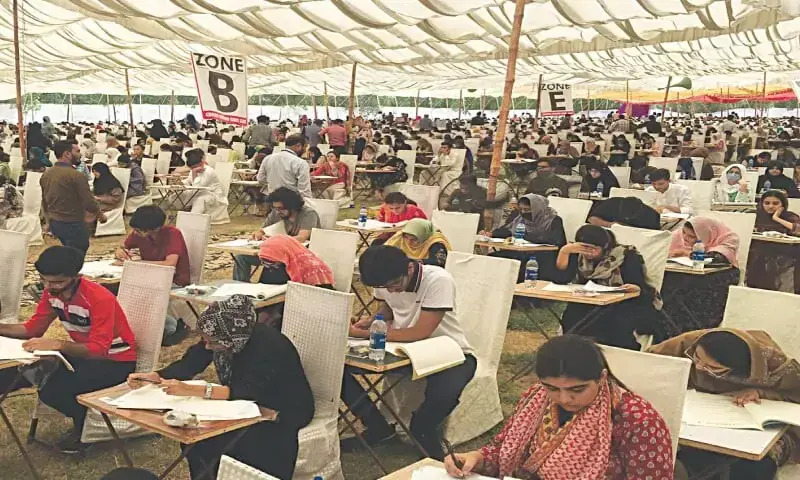
The Pakistan Medical and Dental Council (PMDC) has officially rescheduled the first step of the National Registration Examination (NRE) for foreign medical and dental graduates, moving the test date from October 11 to November 8. In an official notification issued on October 5, the regulatory authority attributed the postponement to unavoidable administrative and logistical circumstances. According to senior officials speaking on the condition of anonymity, the decision was primarily forced by the volatile political landscape in the capital and anticipated major road closures that would have severely disrupted candidate mobility.
The NRE is a statutory requirement instituted under an Act of Parliament, designed to ensure rigorous transparency, standardization, and quality control across medical and dental education and clinical practice within Pakistan. Foreign graduates seeking to practice domestically must clear this multi-stage evaluation to obtain their medical licenses. The sudden adjustment has created immediate logistical challenges for hundreds of overseas-trained professionals who had finalized travel and accommodation arrangements for the original mid-October schedule.
Commercial & Economic Implications
While the NRE is fundamentally a regulatory and healthcare policy mechanism, its recurring disruptions carry notable secondary economic implications for urban centers, particularly Islamabad and Rawalpindi. The influx of foreign medical graduates and their families for examination cycles stimulates local commercial activity, including hospitality, transport, and retail sectors. Frequent schedule alterations inflict unexpected financial burdens on candidates, many of whom incur substantial non-refundable expenses related to flight rescheduling, hotel bookings, and preparatory courses.
Furthermore, delays in licensing foreign-trained medical professionals exacerbate institutional bottlenecks within Pakistan's broader healthcare economy. With public and private healthcare facilities facing persistent deficits of qualified practitioners, timely examination cycles are critical for seamlessly integrating new medical human capital into the workforce. Prolonged credentialing timelines indirectly strain healthcare delivery systems and delay the economic productivity of these professional graduates.
Related Intelligence: West Bank Dispossession Accelerates Amid Global Trade and Security Risks
Stakeholder Perspectives & Market Reactions
The decision to postpone the high-stakes examination has drawn mixed reactions from affected candidates, professional associations, and legal observers. Representatives from various medical graduate forums expressed frustration over the short notice, highlighting the emotional and financial stress imposed by sudden calendar shifts. Critics argue that regulatory bodies must establish more resilient contingency frameworks that insulate professional examinations from political volatility.
Conversely, PMDC leadership defended the rescheduling as a necessary precaution to guarantee equal access and security for all candidates traveling from remote regions and international destinations. Independent legal and administrative analysts noted that given the severe traffic blockades and security lockdowns associated with recent political rallies led by opposition parties like the Pakistan Tehreek-e-Insaf (PTI), proceeding with the October 11 date presented unacceptable risks to public safety and institutional credibility.
Forward Outlook & Key Watchpoints
As the revised examination date of November 8 approaches, stakeholders are closely monitoring both the political climate and PMDC administrative preparedness. The primary watchpoint is whether the upcoming weeks will witness a stabilization of security conditions sufficient to guarantee unhindered access to testing centers across designated cities.
Additionally, examinees will be watching for any further communications from the PMDC regarding venue allocations, admit card re-issuances, and exact reporting protocols. Long-term policy discussions are also emerging around the necessity of decoupling critical national licensing examinations from political disruptions, with calls for decentralized testing options or digital assessment models to safeguard professional education timelines against external shocks.
Join Our Official WhatsApp Channel
Receive live commodity alerts, policy changes, and commercial intelligence directly on WhatsApp.