
South Korea Considers Military Exemption Overhaul Following Asian Games
South Korea is signaling potential cuts to military service exemptions for elite athletes following public backlash during the recent Asian Games.
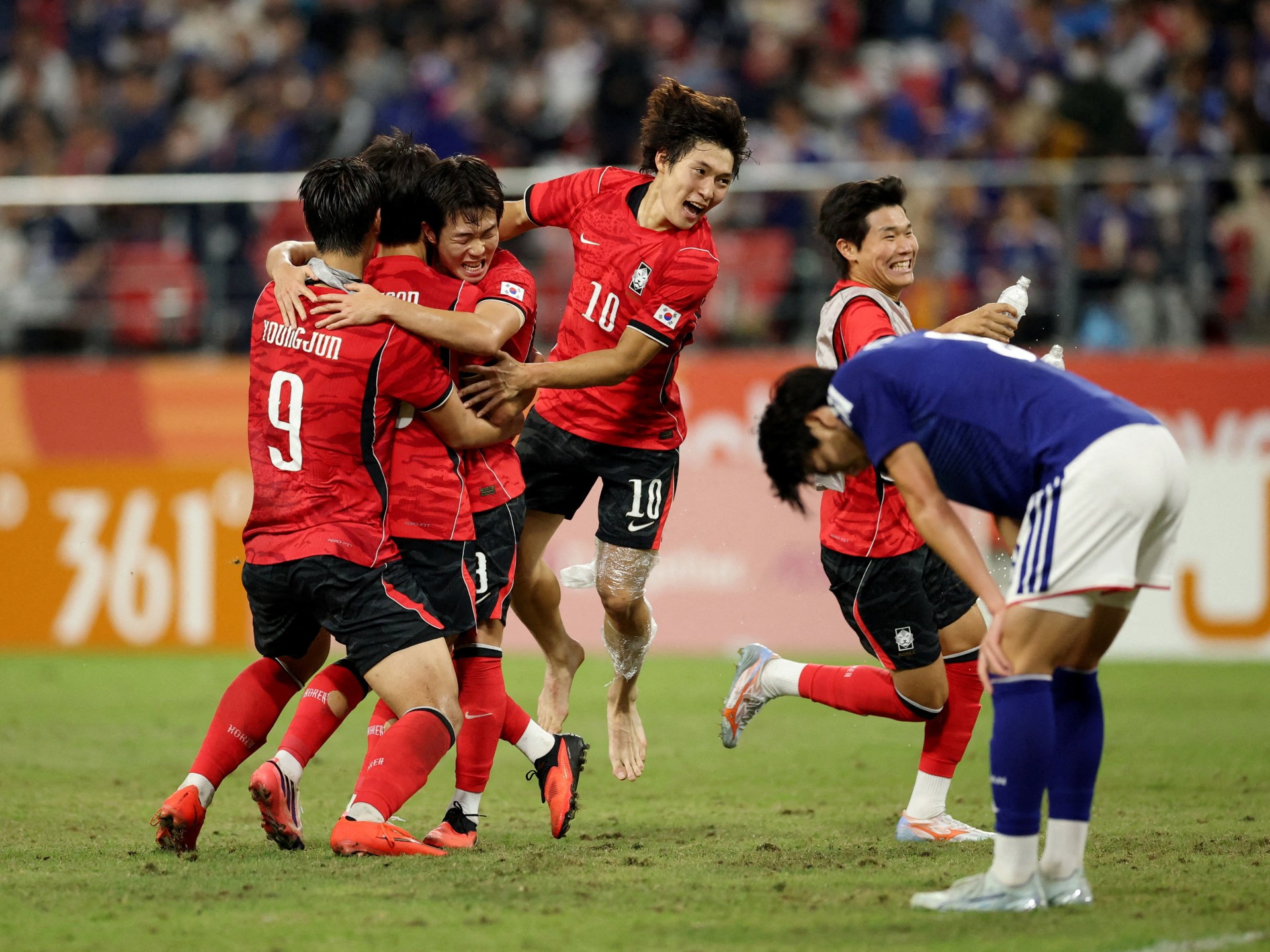
Geopolitical & Core Developments
The government of South Korea has signaled a comprehensive review of its military service exemption framework, a cornerstone policy that has long shielded elite athletes and classical musicians from mandatory conscription. The potential legislative and administrative overhaul comes in the wake of mounting public criticism surrounding athlete conduct and commentary during the recent Asian Games. In a nation where military service is universally mandated as a vital pillar of national security amidst ongoing tensions with North Korea, the criteria granting exemptions to individuals who secure prestigious international medals have faced heightened scrutiny.
For decades, South Korea's exemption policy aimed to incentivize national prestige on the global stage, rewarding athletic excellence with a commutation of active military duty to brief basic training and community service. However, shifts in public sentiment, driven by younger demographics who view the system as increasingly anachronistic and inequitable, have forced policymakers to reconsider these privileges. The recent controversy at the Asian Games catalyzed latent societal frustrations, transforming a cultural debate into a pressing political issue for state legislators and defense ministry officials.
[Global Trade](/news/gaza-three-years-destruction-economic-impact-kalyar-traders) & Economic Ripples
While military conscription policy is primarily a domestic social and security matter, South Korea's structural labor dynamics and talent retention frameworks carry significant implications for global commercial sectors, particularly entertainment, technology, and international sports representation. South Korea punches above its weight in global cultural exports and athletic representation. Any disruption to the career continuity of top-tier talent creates ripples across global sponsorship markets, broadcasting rights, and international entertainment conglomerates.
Furthermore, as Seoul navigates broader demographic pressures—characterized by one of the lowest birth rates in the world—the efficient allocation of human capital remains paramount to maintaining economic competitiveness. The defense sector and high-value export industries compete for skilled labor, making the restructuring of conscription exemptions part of a wider national economic calibration. International investors monitoring South Korea's labor stability view these policy shifts as indicative of how Seoul addresses systemic equity and workforce participation challenges.
Related Intelligence: Lionel Messi Farewell Reshapes Global Sports Economy and Cultural Diplomacy
International Reactions & Diplomatic Stances
International observers and foreign media have closely tracked the debate, viewing it as a barometer of evolving social norms within one of Asia's most advanced democracies. While multilateral bodies such as the International Olympic Committee and various global sports federations traditionally avoid commenting on sovereign defense policies, athletic governing bodies are acutely aware of how national service obligations affect the peak competitive years of international competitors.
Domestically, civil society organizations and youth advocacy groups have welcomed the administration's willingness to re-examine the exemption system, arguing that a fair society must apply conscription equitably without perceived favoritism toward high-profile personalities. Conversely, sports associations and talent management agencies have cautioned against abrupt policy changes that could diminish South Korea's global competitiveness in international sporting arenas.
Strategic Outlook & Future Scenarios
As the Ministry of National Defense and relevant parliamentary committees draft potential reform packages, the trajectory of South Korea's exemption policy will likely serve as a precedent for broader national service debates, which periodically encompass global K-pop superstars and cultural icons. Future legislative sessions will dictate whether exemptions are entirely phased out, replaced by a merit-based point system, or tied strictly to humanitarian and Olympic-tier achievements.
For international stakeholders, tracking these legislative developments is essential for anticipating shifts in talent availability, brand endorsement landscapes, and socio-political stability in Seoul. As South Korea balances its rigorous defense requirements with modern societal expectations, the outcome of this policy review will redefine the intersection of civic duty, national prestige, and global commerce.
Join Our Official WhatsApp Channel
Receive live commodity alerts, policy changes, and commercial intelligence directly on WhatsApp.