
US Midterm Voter Loyalty Signals Prolonged Protectionism and Market Volatility
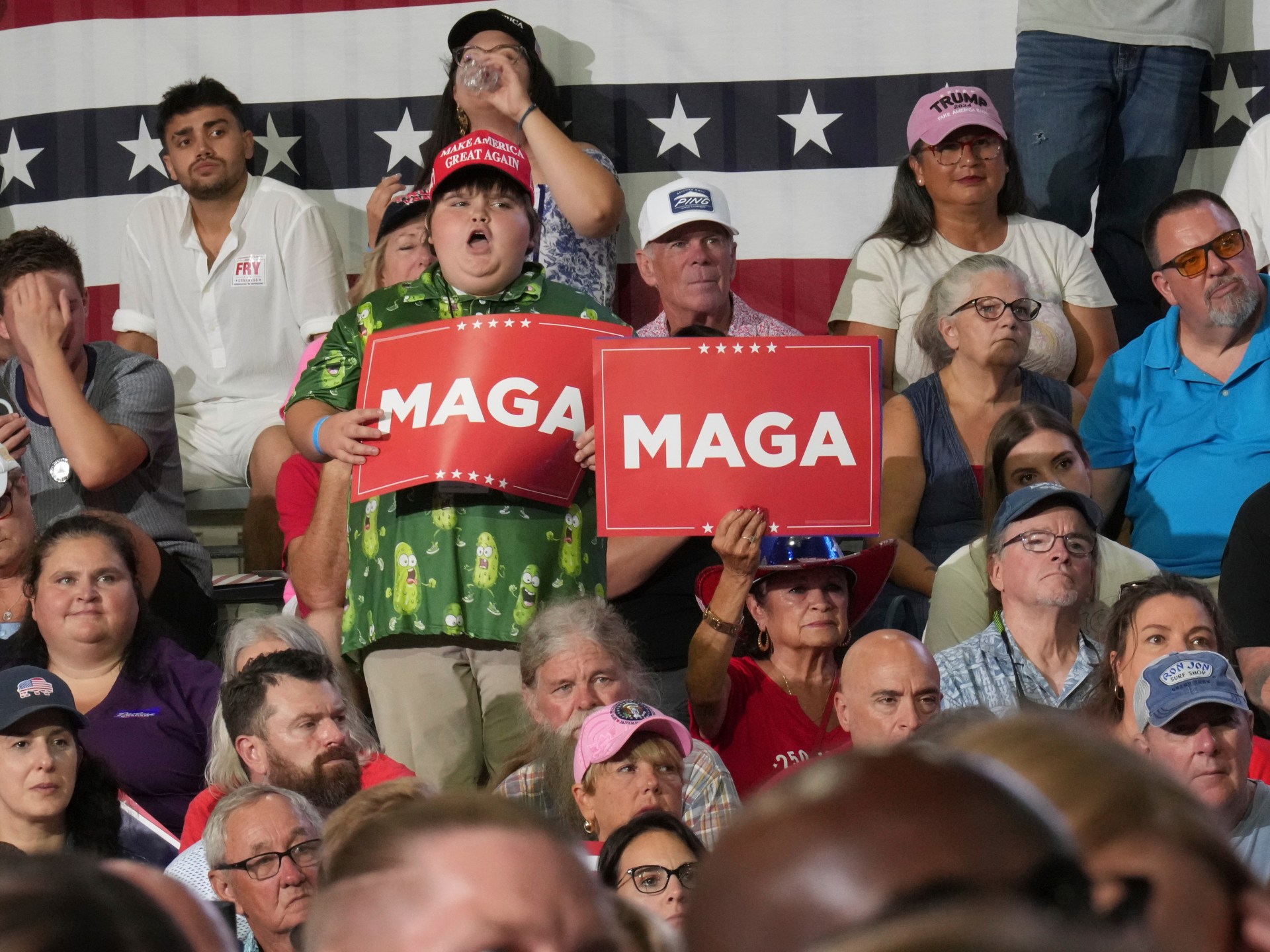
Steadfast voter loyalty to Donald Trump amid rising cost-of-living pressures underlines a durable populist base, signaling prolonged trade disruption and fiscal realignment for international partners.
Geopolitical & Core Developments
The resilience of populist political support within the United States, underscored by steadfast voter alignment with Donald Trump ahead of upcoming electoral milestones, reflects a deep-seated structural realignment in American foreign and economic policy. Despite persistently elevated inflation, tightening borrowing conditions, and consumer headwinds, key voting demographics continue to endorse an economic doctrine characterized by isolationism, aggressive tariffs, and sovereign industrial policy. This domestic consensus directly impacts international diplomacy, creating structural uncertainty for both Western allies and competitive multilateral institutions.
The strategic stakes extend far beyond electoral politics. A firmly entrenched political base advocating economic retrenchment signals to international observers that Washington's post-war commitment to open-door globalism has fundamentally fractured. Regardless of executive branch tenure, the political incentive structure within the United States now heavily disincentivizes traditional free-trade agreements, compelling international diplomats to plan for sustained transatlantic and transpacific regulatory divergences.
Global Trade & Economic Ripples
For international commodity traders and logistics operators, domestic US political entrenchment carries immediate ramifications across supply chains, currency valuations, and capital allocation. The persistent popularity of nationalistic trade policies increases the risk premium on cross-border transactions, particularly between North America and key export hubs in East Asia and Europe. Potential expansions of unilateral import tariffs threaten to disrupt global freight lanes, altering container traffic flows and increasing intermediate manufacturing costs for industrial conglomerates worldwide.
Global energy markets are equally sensitive to the policy frameworks championed by this political base. Domestic calls to accelerate domestic hydrocarbon extraction while re-evaluating multilateral decarbonization frameworks create friction with global climate commitments, complicating strategic planning for major energy producers in the Gulf and Latin America. Concurrently, foreign exchange markets remain vigilant; expectations of inward-looking trade policies, coupled with defensive monetary postures from the Federal Reserve to combat lingering inflation, have maintained upward pressure on the US dollar, straining emerging market sovereign debt and driving up dollar-denominated raw material procurement costs.
International Reactions & Diplomatic Stances
Multilateral bodies and major foreign capitals are actively preparing contingency frameworks for shifts in US trade architecture. Representatives from the World Trade Organization (WTO) and the Organisation for Economic Co-operation and Development (OECD) have repeatedly cautioned against the weaponization of trade tariffs and the erosion of rule-based dispute settlement mechanisms. European Union policymakers have accelerated work on defensive instruments, including the Anti-Coercion Instrument and strategic autonomy initiatives, seeking to insulate the European common market from unilateral American trade shifts.
In Beijing, state planners interpret the durable popularity of economic nationalism in the United States as confirmation that strategic decoupling will persist indefinitely. Analysts across sovereign wealth funds and institutional asset managers similarly project that supply-chain friend-shoring and reshoring directives will remain permanent fixtures of US industrial strategy, compelling regional trading blocs, such as ASEAN and Mercosur, to diversify their commercial partnerships.
Strategic Outlook & Future Scenarios
The strategic trajectory over the coming quarters indicates heightened policy volatility leading up to and following the US midterm elections. Key variables include the prospective implementation of universal baseline tariffs, punitive measures targeting specific foreign competitors, and reciprocal trade barriers imposed by retaliatory sovereign states. Trade ministers attending upcoming multilateral gatherings, including the G20 and bilateral trade forums, are anticipated to prioritize defensive hedging mechanisms and alternative trade corridors to mitigate exposure to US political shifts.
Corporations engaged in international freight, bulk commodity shipping, and advanced technology manufacturing must account for a structural environment wherein trade policy is increasingly subordinated to domestic political consolidation. As voter sentiment continues to prioritize national economic self-sufficiency over global efficiency, international supply chains must adapt to higher compliance overhead, recurrent tariff disputes, and an increasingly fragmented international commerce landscape.
Join Our Official WhatsApp Channel
Receive live commodity alerts, policy changes, and commercial intelligence directly on WhatsApp.