
Trump Marshals Over $400 Million War Chest Ahead of US Midterms
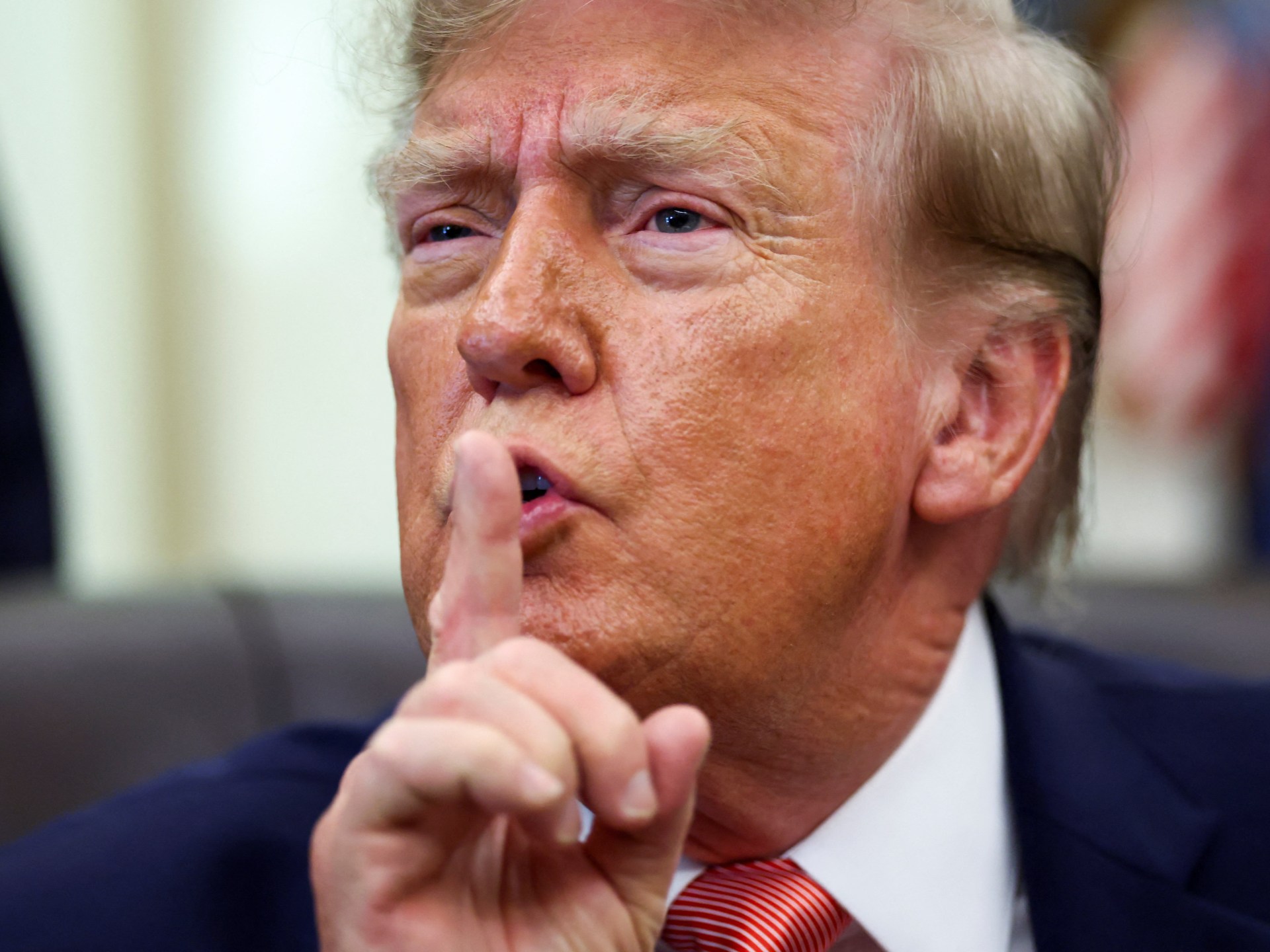
Former President Donald Trump and allied political committees have committed over $400 million ahead of consequential US midterm elections, amplifying strategic uncertainties across global trade and foreign policy corridors.
Geopolitical & Core Developments
The mobilization of an unprecedented $400 million political war chest ahead of the United States midterm elections underscores the high-stakes battle for control of Capitol Hill. With the Republican Party seeking to preserve and expand legislative influence across both chambers of Congress, party strategists and affiliated political action committees are executing an aggressive capital deployment strategy. This influx of resources arrives at a volatile juncture characterized by tight polling, macroeconomic turbulence, and intensifying polarization.
At stake is the fundamental direction of United States foreign policy and domestic statutory authority. The legislative branch exercises profound leverage over statutory trade tariffs, international defense appropriations, sanction regimes, and the formal ratification of international treaties. A shift in congressional leadership, or the consolidation of a populist-nationalist bloc aligned with Trump's agenda, would fundamentally recalibrate Washington's engagement with multilateral institutions. Key diplomatic capitals are scrutinizing this fiscal mobilization closely, recognizing that domestic legislative leverage directly shapes American strategic commitments in Europe, the Indo-Pacific, and the Middle East.
[Global Trade](/news/us-midterm-elections-geopolitical-impact-global-trade) & Economic Ripples
The anticipation of shifting political power in Washington is already prompting risk reassessments across international commodity and financial markets. A resurgent conservative or populist legislative majority typically signals mounting headwinds for multilateral trade agreements, with a revived preference for unilateral trade enforcement, aggressive tariff architecture, and intensified scrutiny of cross-border supply chains—particularly regarding China and the European Union.
Global energy markets are particularly sensitive to these legislative crosscurrents. Shifts in the congressional balance of power carry substantial implications for US energy policy, specifically regarding federal leasing for hydrocarbon extraction, domestic pipeline infrastructure, and liquefied natural gas (LNG) export approvals. Global benchmark crudes and shipping indices continue to factor in potential policy divergence between aggressive green energy subsidization and revived fossil fuel prioritization. Furthermore, institutional investors are closely tracking US fiscal sustainability; aggressive campaign spending and prospective tax policy shifts have provoked adjustments in Treasury yields, exerting follow-on effects on sovereign debt pricing and foreign exchange volatility worldwide.
Related Intelligence: US Midterm Stakes Reshape Geopolitical Outlook and Global Trade Trajectory
International Reactions & Diplomatic Stances
While foreign governments formally adhere to principles of non-interference in domestic electoral cycles, diplomatic corridors and trade ministries are actively contingency planning. European Union officials have discreetly convened trade working groups to assess vulnerabilities should a more nationalistic Congress advance renewed Section 232 or Section 301 trade actions on critical industrial goods, automobiles, and agricultural products.
In Beijing, state planners and strategic analysts are monitoring congressional rhetoric, where bipartisan competition often defaults to competitive hawkishness on outbound investment restrictions, semiconductor export curbs, and dual-use technology oversight. Concurrently, traditional transatlantic allies are weighing the future continuity of defense financing frameworks, cognizant that congressional appropriations directly dictate the pace and permanence of security assistance packages, including commitments to NATO and bilateral defense initiatives.
Strategic Outlook & Future Scenarios
The trajectory heading into the general election indicates an increasingly combative electoral and legislative landscape. If Republican forces capitalize on the massive funding injection to secure decisive control of both the Senate and the House of Representatives, the immediate legislative horizon will likely feature stringent oversight hearings targeting regulatory agencies, efforts to curtail international climate finance commitments, and legal pressure to dismantle executive-led trade waivers.
Conversely, a narrower split or resilient defense by incumbent moderates would generate protracted legislative gridlock, constraining sweeping statutory reforms while elevating unilateral executive actions as the primary tool of American governance. For sovereign trading entities, multinational supply chain managers, and global capital allocators, the evolving congressional contest guarantees heightened regulatory ambiguity through the remainder of the electoral cycle, requiring robust operational hedging against volatile shifts in US tariff exposure, sanctions architecture, and international commercial law.
Join Our Official WhatsApp Channel
Receive live commodity alerts, policy changes, and commercial intelligence directly on WhatsApp.