
Qatar-Backed PSG Overcomes Barcelona as Gulf Sovereign Sports Investments Expand
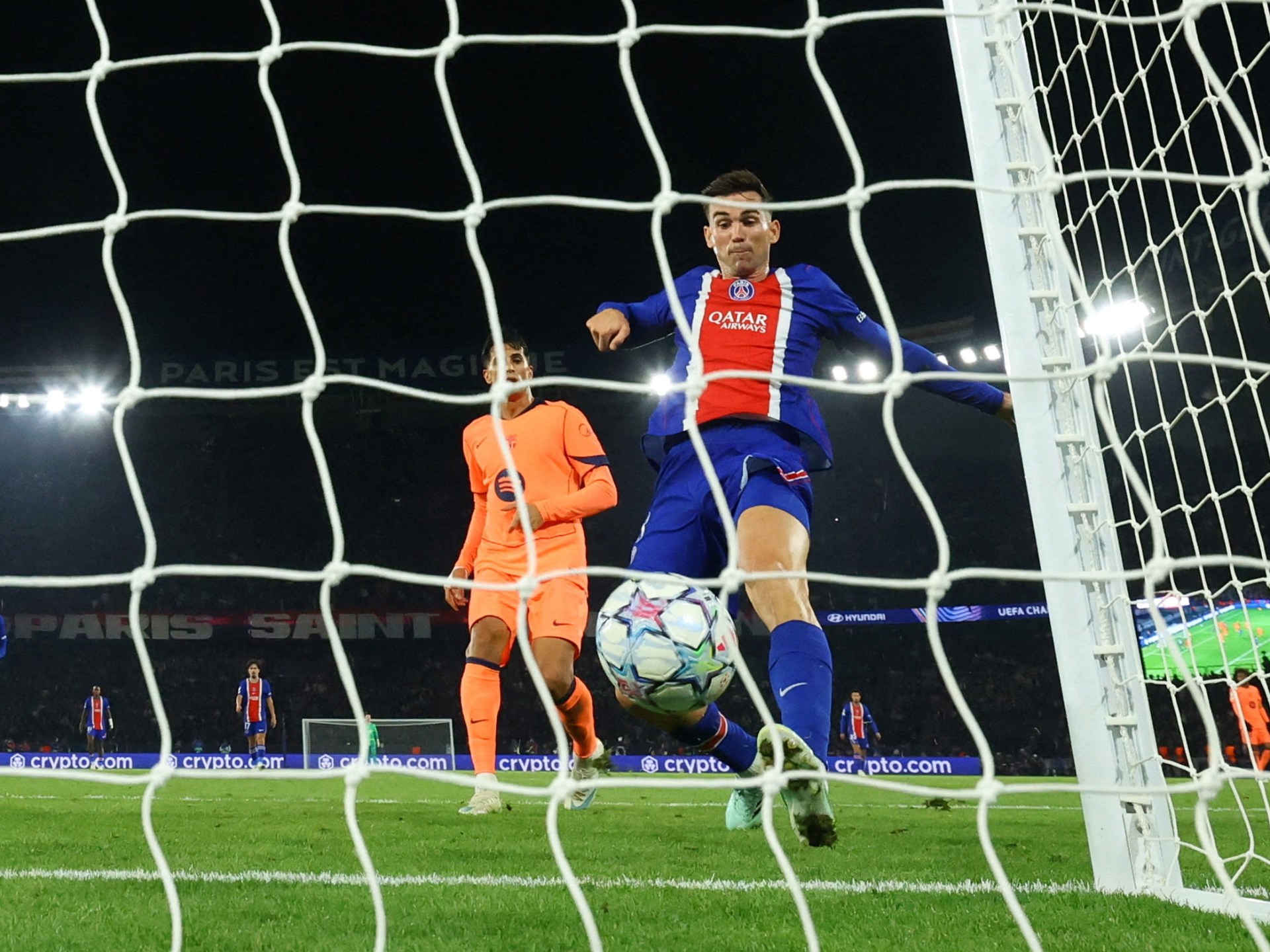
Paris Saint-Germain defeated FC Barcelona 4-2 in the UEFA Champions League, underscoring the growing geopolitical influence and financial power of Gulf-backed sports investments in Europe.
Geopolitical & Core Developments
The high-stakes encounter between Paris Saint-Germain and FC Barcelona in the UEFA Champions League served as more than an elite athletic contest; it represented the persistent geopolitical realignment within European sports commerce. Late decisive goals by Vitinha and Fabian Ruiz sealed a dramatic 4-2 victory for the Parisian club, preserving their campaign for sustained European dominance. Behind the tactical execution lies the vast institutional framework of Qatar Sports Investments (QSI), a subsidiary of the sovereign wealth fund Qatar Investment Authority (QIA). Since acquiring PSG in 2011, Doha has leveraged the Paris franchise as a cornerstone of its international statecraft, projecting soft power and integrating deeply into Western capital markets.
Conversely, FC Barcelona operates as a member-owned entity, constrained by domestic financial fair play regulations and structural debt accumulated through legacy management crises. The competitive dynamic on the pitch mirrored the broader economic divergence between conventional European corporate models and sovereign-backed international powerhouses. As European football increasingly becomes an arena for geopolitical prestige, fixtures involving clubs linked to Gulf states underscore shifting spheres of influence, where traditional continental sporting hegemony is routinely tested by foreign sovereign capital.
[Global Trade](/news/us-midterm-elections-geopolitical-impact-global-trade) & Economic Ripples
The economic footprint of premier sporting events now reverberates across major service sectors, including global media, hospitality, and cross-border commercial sponsorships. The fixture between PSG and Barcelona generated tens of millions of euros in direct broadcast rights, commercial hospitality revenues, and secondary tourism spend across both jurisdictions. European media conglomerates and digital streaming services continue to rely heavily on premier sports programming to preserve subscriber bases against broader macroeconomic contractions and shifting consumer discretionary spending.
Furthermore, sovereign deployment of capital in sports acts as an economic conduit for wider bilateral trade deals. Bilateral trade volumes between Qatar and France have steadily deepened across energy, aviation, and infrastructure over the past decade, heavily supported by the diplomatic visibility afforded through elite sporting assets. As European economies navigate sovereign debt obligations and industrial transitions, sports franchises backed by liquefied natural gas revenues provide dependable foreign direct investment, anchoring supply chains in event production, security infrastructure, and transatlantic marketing networks.
Related Intelligence: US Midterm Stakes Reshape Geopolitical Outlook and Global Trade Trajectory
International Reactions & Diplomatic Stances
Market analysts and institutional observers view the continuous ascendancy of sovereign wealth in European sports as both a commercial triumph and a regulatory dilemma. Sports financial analysts from major European consultancy groups note that the influx of sovereign capital creates an uneven competitive field, requiring regulatory scrutiny from continental governing bodies. UEFA's Financial Sustainability Regulations remain under persistent evaluation by legal and economic experts who debate whether existing frameworks adequately account for state-adjacent sponsorship valuations.
Diplomatically, French authorities have frequently celebrated the strategic utility of PSG as a platform for international prestige and urban investment within the Ile-de-France region. In contrast, Spanish political and commercial leadership, along with La Liga officials, have expressed recurring skepticism regarding state-funded club models, warning against market distortions. Financial transparency bodies in Brussels have also maintained ongoing reviews into foreign state subsidies impacting competitive balance across internal European entertainment and commercial leisure markets.
Strategic Outlook & Future Scenarios
The strategic landscape indicates further institutionalization of sovereign funds across international sports ecosystems. With PSG pursuing consecutive European titles, Qatar's sports portfolio is expected to integrate further with global commercial brands, technology partners, and entertainment platforms. Traditional clubs across Europe, including Barcelona, will likely explore joint ventures with private equity firms and institutional investors to mitigate capital disadvantages without abandoning member-driven charters.
Looking forward, the regulatory response from the European Union regarding foreign subsidies and sovereign market penetration will dictate the trajectory of future transactions. If regulatory authorities enforce stricter balance-sheet caps, sovereign investors may pivot toward multi-club ownership models across emerging markets, expanding footprints into South America, North America, and Southeast Asia. The commercial trajectory established in Paris confirms that elite international sporting competitions remain inseparable from sovereign wealth diplomacy, global capital allocation, and geopolitical strategy.
Join Our Official WhatsApp Channel
Receive live commodity alerts, policy changes, and commercial intelligence directly on WhatsApp.