
Russian Diesel Cargo Arrives in US Ahead of Midterm Elections
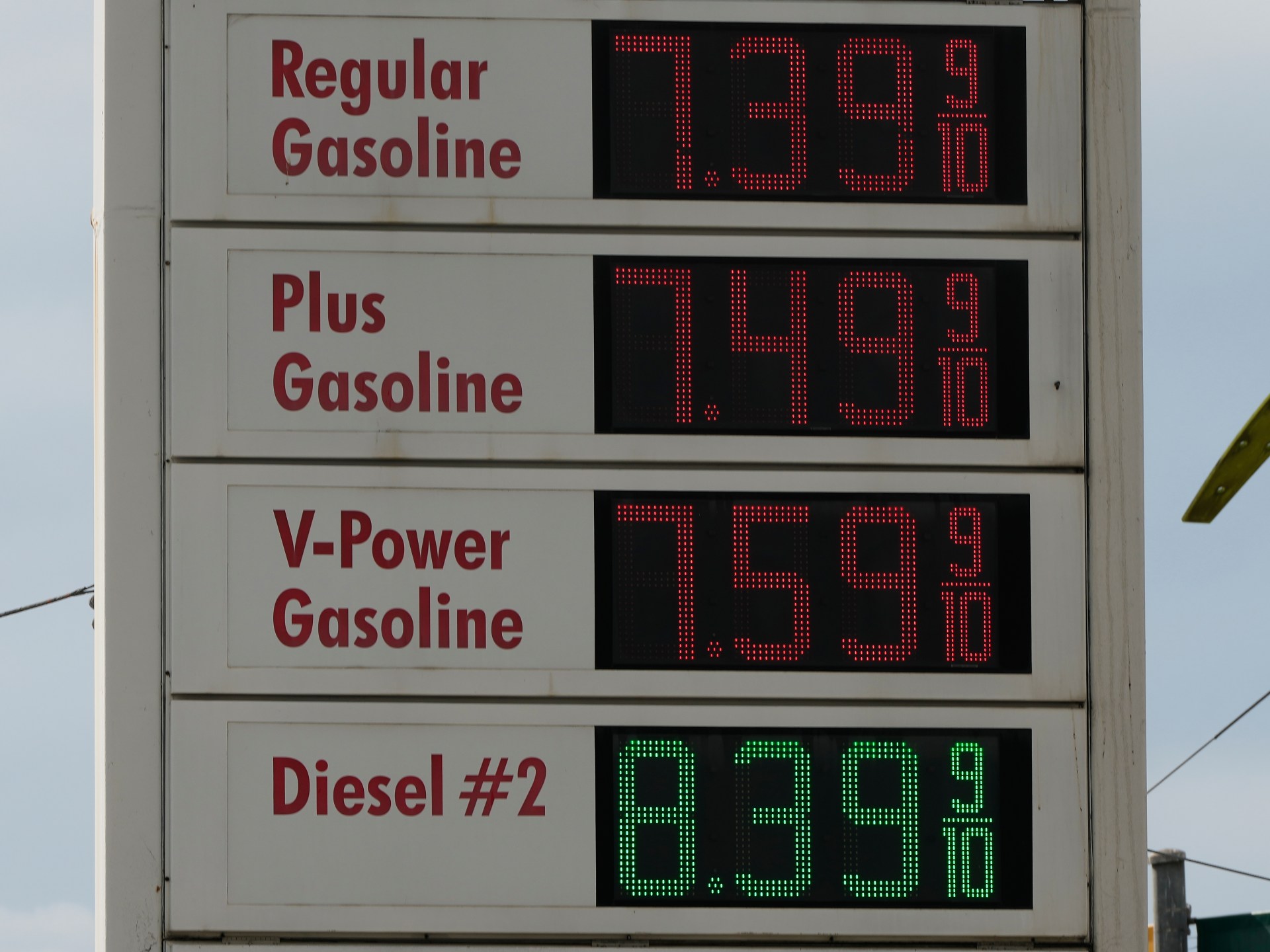
A rare delivery of Russian refined diesel has reached the United States, targeting acute East Coast inventory shortfalls and rising consumer fuel costs ahead of key midterm elections.
Geopolitical & Core Developments
A commercial tanker carrying refined diesel from the Russian Federation has arrived in the United States, marking an extraordinary development in trans-Atlantic energy flows against a backdrop of escalating geopolitical friction and domestic political tension. The shipment, negotiated through third-party intermediaries before statutory cutoff deadlines took effect, enters an American fuel market beset by historically low middle-distillate stockpiles. The delivery comes at a particularly vulnerable juncture for the current US administration, as the approaching midterm elections have transformed retail energy inflation and heating oil availability into premier campaign issues.
The strategic choreography surrounding this shipment underscores the dual pressures operating within Washington's foreign and domestic policy apparatus. While executive leadership has championed strict international measures to curtail Moscow’s hydrocarbon revenues following military operations in Ukraine, the domestic reality of regional fuel deficits—particularly across the US Northeast—has created urgent demand for imported distillates. Although direct federal restrictions on Russian crude imports were established earlier in the year, complex supply-chain legacy contracts and blended origin designations have permitted select downstream petroleum deliveries to clear customs inspections, revealing the operational friction inherent in segregating global energy systems.
Global Trade & Economic Ripples
The arrival of the cargo highlights the critical bottleneck facing international middle-distillate refining. Throughout 2022, global refining capacity has struggled to keep pace with post-pandemic industrial consumption, compounded by the closure of several North American and European refineries during the preceding downturn. The East Coast of the United States, operating largely without substantial local refining infrastructure and constrained by domestic maritime transit regulations, remains uniquely reliant on imported waterborne diesel and heating oil.
Commodity markets responded to the cargo's arrival with localized moderation, though broader pricing structures remain elevated. The crack spread—the gross margin between crude oil inputs and refined output—persists near historic highs on the New York Mercantile Exchange (NYMEX) and London’s ICE Futures Europe. International tanker routes have grown increasingly fragmented, as European buyers source diesel from as far as the Middle East and India, while conventional logistical routes rearrange to bypass sanctioned routes. The resulting increase in deadweight ton-miles has inflated global shipping fixtures, creating widespread cost escalation for maritime freight across the Atlantic basin.
Related Intelligence: Government Slashes Petrol Price by Rs2.71, Raises Diesel Rate Marginally
International Reactions & Diplomatic Stances
The transaction has provoked varied responses among global stakeholders, policy analysts, and regulatory bodies. Energy analysts in Washington observe that while a solitary cargo cannot reverse macro-level inventory deficits, it demonstrates the extreme measures market participants will take to avert acute physical shortages. Officials at the US Department of Energy emphasized that existing regulations remain focused on systemic market stability while phasing out reliance on Russian energy infrastructure in coordinated steps with Group of Seven (G7) allies.
European trade delegations have monitored the shipment with measured scrutiny, noting that the bloc is concurrently finalizing its own comprehensive embargo on seaborne Russian petroleum products. Market participants within the Organization of the Petroleum Exporting Countries (OPEC) and affiliated sovereign producers have cited such bilateral transactions as evidence that unilateral trade barriers often face structural limitations when confronting physical supply imbalances and inelastic consumer demand.
Strategic Outlook & Future Scenarios
Looking ahead, the prospect of further Russian diesel entering the United States appears remote. The impending implementation of full-scale price caps and European maritime insurance prohibitions will eliminate the legal and financial mechanisms that facilitated this interim voyage. Washington faces a constrained palette of options, including emergency drawdowns from heating oil reserves, targeted waivers on internal maritime transport laws, and persistent diplomatic engagement with domestic refiners to maximize output.
In the medium term, the trans-Atlantic fuel market will enter an even more volatile phase as seasonal winter consumption peaks. The divergence between geopolitical sanctions mandates and the mechanical realities of energy logistics threatens to maintain a floor under refined product prices, keeping international trade flows dislocated well into the coming year.
Join Our Official WhatsApp Channel
Receive live commodity alerts, policy changes, and commercial intelligence directly on WhatsApp.