
US Legal Shifts on Civil Rights Enforcement Spark Global Governance Concerns
Systemic shifts in US judicial interpretations are narrowing private avenues to enforce civil rights, raising legal uncertainty for international corporations and impacting Washington's global human rights diplomacy.
Geopolitical & Core Developments
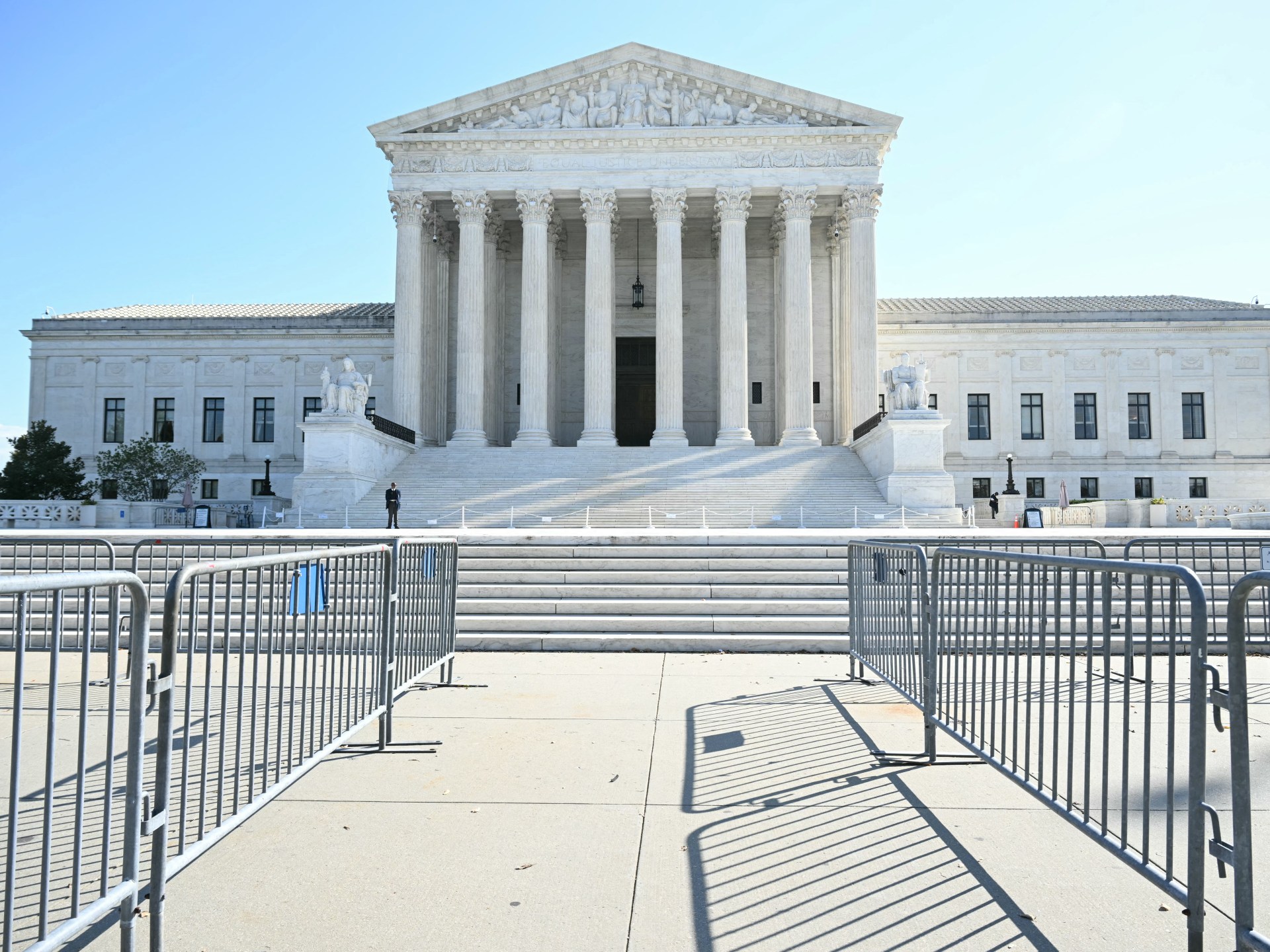
A transformative realignment within the United States federal judiciary is reshaping the foundational architecture of civil rights enforcement. Over successive administrative cycles, conservative appointments across federal district courts, appellate circuits, and the Supreme Court have advanced narrower statutory interpretations of landmark protections, including the Voting Rights Act of 1965 and Title VI of the Civil Rights Act of 1964. Central to this jurisprudential shift is the systematic curtailment of the 'private right of action,' a doctrine that historically permitted private citizens and advocacy groups to litigate institutional discrimination without relying exclusively on federal intervention.
Legal scholars and international observers point to recent appellate decisions, notably within the Eighth Circuit, which concluded that individuals lack statutory authority to challenge discriminatory election practices under Section 2 of the Voting Rights Act. By concentrating enforcement power solely within the Department of Justice, the federal framework significantly restricts civil remediation. Consequently, legal recourse is increasingly tied to the ideological and political objectives of sitting presidential administrations, signaling a departure from decades of established legal precedents.
Global Trade & Economic Ripples
While predominantly domestic in constitutional origin, the retrenchment of civil rights enforcement carries significant implications for global commerce, foreign direct investment, and multinational corporate strategy. The United States remains the primary destination for international capital, yet foreign enterprises increasingly operate under complex Environmental, Social, and Governance (ESG) mandates enforced by European regulators, institutional investors, and international clearinghouses. A divergence between international statutory benchmarks and declining domestic civil protections introduces substantial operational ambiguity.
Multinational corporations navigating domestic procurement, municipal municipal contracts, and regional manufacturing operations face heightened reputational risk. In sectors such as critical infrastructure, mineral refining, and industrial manufacturing, civil rights litigation historically served as a critical regulatory mechanism regarding environmental justice and zoning disparities. The narrowing of these legal safeguards disrupts local stakeholder engagement models, complicating capital deployment for sovereign wealth funds and foreign institutional investors aligned with United Nations human rights and governance frameworks.
Related Intelligence: Global Sports Economy Reshuffled by Elite Football Soft Power Dynamics
International Reactions & Diplomatic Stances
Multilateral institutions and international legal observers have expressed measured concern regarding the erosion of non-governmental enforcement avenues. The United Nations Committee on the Elimination of Racial Discrimination (CERD) has periodically highlighted institutional barriers within the American justice system, noting that legal restrictions on private litigants risk contravening international treaty commitments under ratified human rights conventions.
Diplomatic analysts observe that domestic institutional shifts also impede the United States' multilateral foreign policy apparatus. The State Department has historically utilized democratic governance, legal equity, and institutional rule of law as primary instruments of diplomatic soft power. Bilateral partners and strategic competitors alike note the friction between Washington's external advocacy for democratic accountability and the domestic contraction of civil protections, complicating multilateral coalition-building across the Global South.
Strategic Outlook & Future Scenarios
The trajectory of US civil rights enforcement points toward prolonged constitutional contention and decentralized legal fragmentation. As the Supreme Court continues to scrutinize federal administrative authority and federal cause-of-action doctrines, civil rights litigation will inevitably migrate toward fragmented state courts and local legislative bodies. This dynamic is projected to widen statutory disparities across different US states, raising compliance costs for international enterprises.
Looking ahead, the systemic constraint on private civil enforcement will likely feature prominently in international governance reviews and bilateral policy dialogues. For corporate risk officers, commodity logistics operators, and global investors, navigating the US jurisdictional landscape will demand enhanced due diligence frameworks capable of reconciling diverging federal statutory protections, state-level mandates, and international compliance obligations.
Join Our Official WhatsApp Channel
Receive live commodity alerts, policy changes, and commercial intelligence directly on WhatsApp.