
AI Mass Production Threatens India Traditional Textile Heritage and Global Intellectual Property Norms
Rapid deployment of generative AI in textile design risks displacing millions of Indian artisans, sparking international debates on intellectual property rights, cultural preservation, and fair trade practices.
Geopolitical & Core Developments
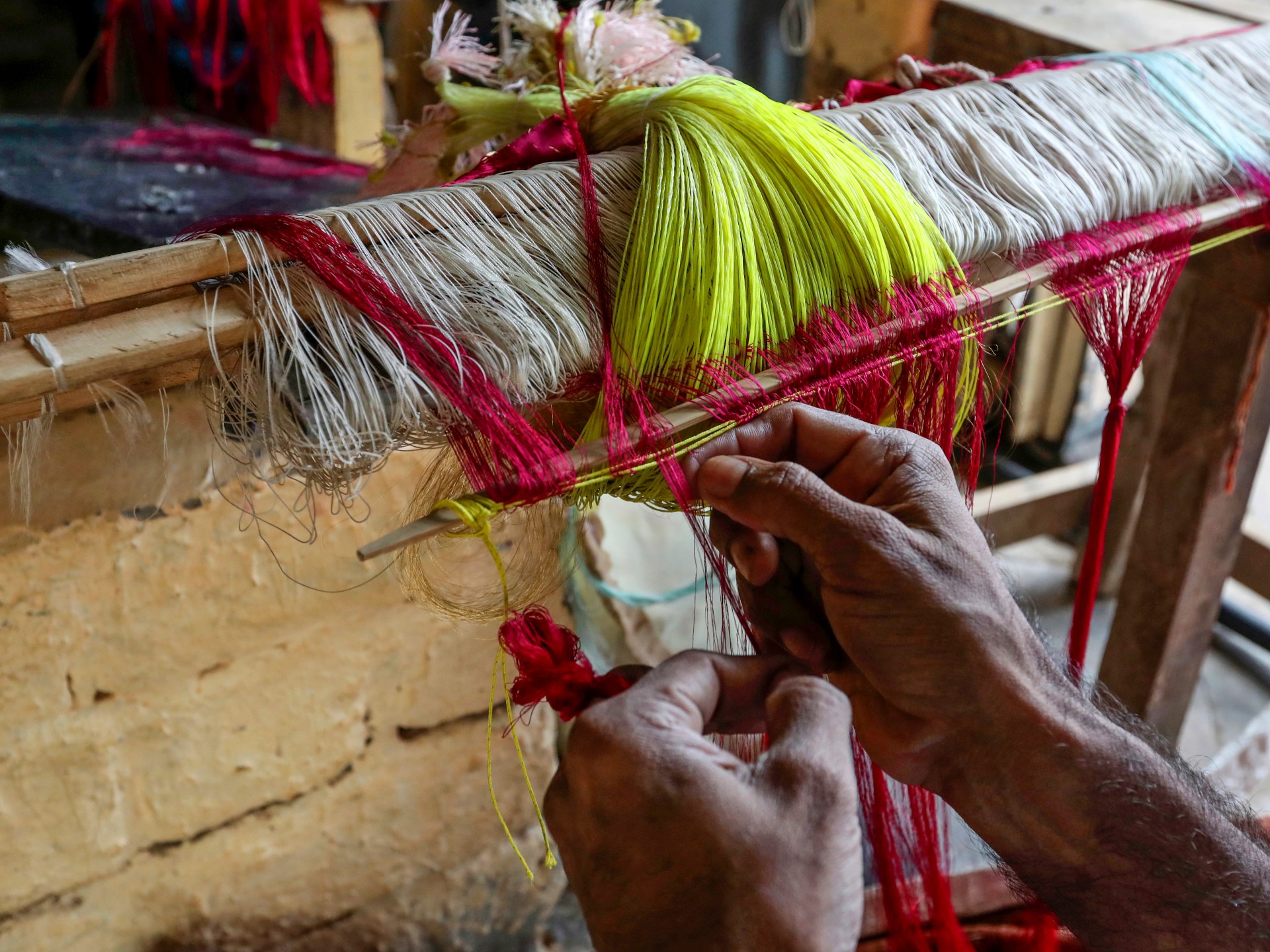
The convergence of generative artificial intelligence and high-speed automated textile manufacturing has catalyzed an acute crisis across South Asia's traditional craft ecosystems. Advanced computer vision tools, originally deployed under the auspices of cultural preservation and digital archiving, are now being retrofitted by global apparel conglomerates to reverse-engineer and synthesize centuries-old weaving, embroidery, and printing techniques. In India, home to over seven million handloom and handicraft workers, centuries of communal intellectual property—spanning Kashmir Pashmina, Varanasi brocades, and Patan Patola silks—are being indexed and algorithmically replicated without consent, compensation, or craftsperson attribution.
This algorithmic appropriation marks a critical juncture in the global discourse on digital sovereignty. Historically, decentralized artisan clusters functioned as critical pillars of regional socio-economic stability. However, the international democratization of image-to-pattern diffusion models allows industrial textile mills in Southeast Asia, East Asia, and the West to bypass customary procurement networks. The friction is not merely technological but geopolitical: sovereign nations harboring vast repositories of intangible cultural heritage are confronting systemic value extraction by foreign tech platforms and multinational retail syndicates, escalating international disputes over trade equity and cultural hegemony.
[Global Trade](/news/us-midterm-elections-geopolitical-impact-global-trade) & Economic Ripples
The economic fallout across global retail supply chains is already manifesting in volatile pricing dynamics and trade realignments. Industrial-scale generative production reduces the lead time for complex jacquard and block-print motifs from months to minutes, slashing production costs by up to 80 percent. This creates an asymmetric market where authentic, labor-intensive hand-woven goods are priced out by algorithmic approximations masquerading as artisanal products.
For India's rural economy, where the textile sector remains the second-largest employer after agriculture, this displacement poses severe systemic risks. The degradation of primary artisan income undermines domestic purchasing power and creates localized financial stress. Concurrently, international trade flows are distorting. High-margin luxury markets that previously imported genuine bespoke Indian textiles are increasingly infiltrated by synthetic alternatives. This development risks eroding India's foreign exchange earnings derived from premium garment exports, while simultaneously exacerbating freight dependencies on centralized, high-emission fast-fashion logistics corridors.
Related Intelligence: Kenya Opposition Realignment Threatens East African Political and Economic Stability
International Reactions & Diplomatic Stances
Multilateral institutions are facing mounting calls to address the regulatory void governing algorithmically generated reproductions of communal heritage. At the World Intellectual Property Organization (WIPO), representatives from developing economies have reiterated demands for enforceable frameworks safeguarding Traditional Knowledge (TK) and Traditional Cultural Expressions (TCEs). Developing nation delegates argue that prevailing patent and copyright frameworks, which reward individual corporate entities, are fundamentally ill-suited to protect non-codified, intergenerational communal designs.
Trade analysts and human rights watchdogs have aligned with these concerns, warning that without stringent digital traceability mandates, artificial intelligence will fundamentally disenfranchise indigenous communities. The United Nations Educational, Scientific and Cultural Organization (UNESCO) has emphasized that commercial replication devoid of context accelerates the loss of intangible cultural heritage. Conversely, tech and retail lobbies in developed markets maintain that broad algorithmic restrictions could stifle innovation, impede open-source design software, and disrupt cross-border e-commerce efficiencies.
Strategic Outlook & Future Scenarios
The trajectory of global textile commerce will hinge on whether regulatory architectures can adapt before artisan economies reach a critical tipping point. Diplomatic efforts will increasingly focus on the revision of the Trade-Related Aspects of Intellectual Property Rights (TRIPS) Agreement under the World Trade Organization (WTO), with emerging markets pushing for digital provenance tracking and algorithmic watermarking on commercially traded fabrics.
Over the medium term, nations with rich textile traditions may introduce mandatory 'Artisanal Traceability' protocols, requiring exported and imported apparel to declare algorithmic involvement or verify authentic Geographical Indication (GI) provenance via blockchain verification. Failure to establish these standards will likely trigger retaliatory non-tariff trade barriers, selective import levies against algorithmic counterfeiting, and heightened protectionist measures across the global apparel trade.
Join Our Official WhatsApp Channel
Receive live commodity alerts, policy changes, and commercial intelligence directly on WhatsApp.