
US Judge Reverses Trump Media Ban in Press Freedom Ruling
A US federal judge has blocked President Trump's media ban, ordering immediate restoration of White House press access for major news outlets in a landmark constitutional ruling.
The Core Development
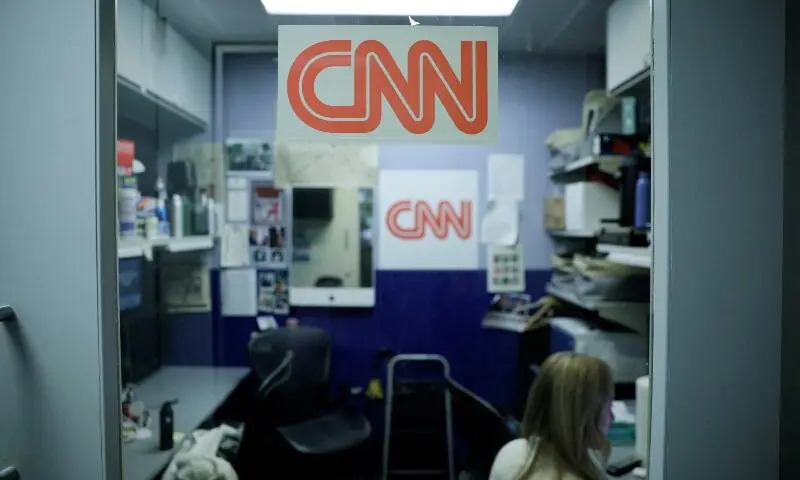
In a significant legal rebuke to the executive branch, a federal judge ordered US President Donald Trump on Thursday to immediately restore White House access for journalists representing CNN, MS NOW, and Politico. US District Judge Tim Kelly issued the order within the framework of a lawsuit filed by the aggrieved news organizations, contesting a sweeping ban announced by the Republican president on September 18. Judge Kelly concluded that the administration's restrictions were likely unconstitutional, marking a major setback for the White House in its ongoing battles with the mainstream press.
The court mandated the immediate return of press credentials and blocked federal officials from enforcing the exclusion for an initial 14-day period. Crucially, the bench dismissed the government's assertions that the ban was necessitated by urgent national security concerns, finding insufficient evidence to substantiate executive claims. The legal challenge underscores deep structural tensions regarding executive authority, public accountability, and the constitutional protections afforded to journalists covering the American presidency.
Commercial & Economic Implications
While ostensibly a political and legal dispute within the United States, restrictions on free press and information flows carry profound secondary implications for global markets, international trade policy, and investor sentiment. In emerging economies like Pakistan, where financial institutions, commodity traders, and corporate entities closely monitor US regulatory shifts, trade policies, and macroeconomic announcements, transparent reporting is vital for mitigating market volatility.
Uncertainty surrounding US governance directly influences foreign exchange stability, import-export financing, and commodity pricing across international exchanges. When primary information channels are restricted, institutional investors face heightened informational asymmetry, complicating risk assessment for cross-border trade agreements and sovereign debt markets. Financial stakeholders in Karachi and Islamabad view the protection of independent media as a cornerstone of regulatory predictability, which underpins global capital allocation and bilateral economic cooperation.
Related Intelligence: US-China Summit: High-Stakes Diplomacy Masks Deep Structural Divergence
Stakeholder Perspectives & Market Reactions
Media advocacy groups, constitutional scholars, and trade organizations have overwhelmingly welcomed Judge Kelly's preliminary injunction as a vital defense of democratic norms and institutional transparency. Legal experts emphasize that restricting accredited journalists from government facilities sets a dangerous precedent that could destabilize public discourse and erode confidence in official economic data releases.
Conversely, administration defenders argued that executive oversight of press facilities falls well within presidential prerogatives, citing evolving security protocols. However, the judiciary's swift rejection of the national security justification signals strict judicial scrutiny of executive overreach. Industry bodies across the commercial sector continue to monitor the litigation, recognizing that robust investigative reporting remains indispensable for corporate compliance, anti-corruption enforcement, and fair market competition.
Forward Outlook & Key Watchpoints
As the 14-day injunction takes effect, legal proceedings will shift toward a comprehensive examination of the constitutional merits governing White House press access. Key watchpoints include whether the administration will seek an emergency stay from appellate courts or proceed to a full trial on the permanent injunction request.
For international observers, the outcome of this litigation will serve as a bellwether for American institutional resilience and the rule of law. Market participants will closely track subsequent judicial rulings to gauge the stability of regulatory environments and the long-term security of press freedoms essential to global economic transparency.
Join Our Official WhatsApp Channel
Receive live commodity alerts, policy changes, and commercial intelligence directly on WhatsApp.