
Lahore High Court Upholds Detention Orders for Imran Khan Sisters Amid Political Tensions
The Lahore High Court has dismissed petitions seeking the immediate suspension of detention orders for former Prime Minister Imran Khan's sisters, escalating legal and political friction across Pakistan.
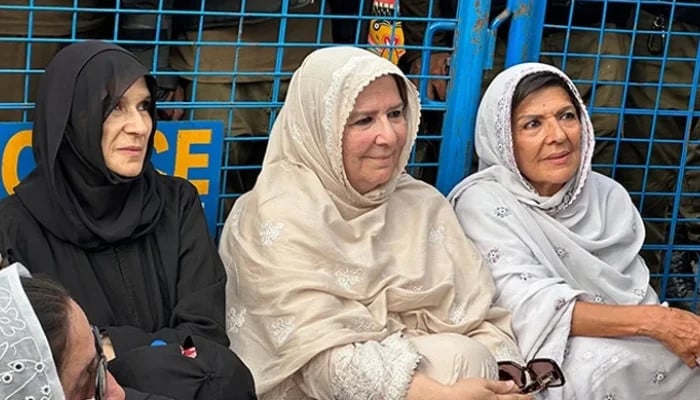
The Core Development
The Lahore High Court (LHC) has officially dismissed a series of petitions filed to seek the immediate suspension of detention orders issued against the sisters of incarcerated former Prime Minister Imran Khan. The ruling delivered by the high bench marks a critical development in an ongoing legal battle that has run parallel to broader political confrontations in Pakistan's most populous province.
During the proceedings, legal representatives for the petitioners argued that the detentions lacked constitutional justification, citing fundamental rights violations under provincial maintenance of public order ordinances. However, government counsels presented intelligence reports and administrative logs to justify the executive action, asserting that the measures were necessary to prevent potential law-and-order disruptions.
The court reviewed arguments from both sides before determining that the provisional detention orders fell within the legal purview of provincial authorities under specific public safety frameworks. This decision effectively preserves the current legal status of the detainees, ensuring that the administrative orders remain enforceable as the legal teams prepare for subsequent appeals in higher forums.
Commercial & Economic Implications
While the LHC ruling is fundamentally a matter of constitutional law and public administration, prolonged political instability in Pakistan invariably casts a shadow over commercial and economic landscapes. Retail trade, wholesale distribution networks, and domestic markets remain acutely sensitive to sudden shifts in the political climate, where unexpected protests or civil unrest can disrupt supply chains and logistics.
For Kalyar Traders and the wider business community in Pakistan, persistent institutional friction complicates corporate planning and investment strategies. Inflationary pressures, foreign exchange volatility, and consumer sentiment are closely tied to political predictability. When administrative machinery and judicial resources are heavily engaged in high-profile political litigation, broader structural economic reforms and regulatory enforcement often experience delays, affecting investor confidence across key industrial sectors.
Related Intelligence: The High Cost of the Green Passport: Mobility Crisis Hits Pakistani Expatriates
Stakeholder Perspectives & Market Reactions
Reactions to the LHC verdict have highlighted deep polarization among political stakeholders, legal experts, and business associations. Representatives of the Pakistan Tehreek-e-Insaf (PTI) party condemned the ruling as a continuation of political victimization, arguing that administrative detention powers are being misused to stifle familial support and suppress opposition voices.
Conversely, government spokespersons defended the judicial outcome, maintaining that the judiciary operates independently and that executive actions are guided strictly by security imperatives and the maintenance of public peace. Independent legal analysts noted that the court's reliance on established administrative protocols underscores a cautious judicial approach when evaluating executive discretion in matters of public order.
Meanwhile, trade bodies and chambers of commerce have expressed growing concern over the persistent cycle of political confrontation, urging all national actors to prioritize economic recovery, legislative stability, and commercial continuity above partisan disputes.
Forward Outlook & Key Watchpoints
As this legal saga unfolds, key watchpoints for analysts and market participants include the potential escalation of legal appeals in the Supreme Court of Pakistan and the broader legislative response from opposition factions. Observers will closely monitor upcoming public mobilization efforts by political groups, which could trigger localized transport disruptions or security lockdowns in major urban centers.
Policy enforcement mechanisms, particularly the application of maintenance of public order regulations, will remain under intense scrutiny from civil rights organizations and international monitors. For the domestic business environment, achieving sustainable economic stabilization will depend heavily on whether political stakeholders can transition from protracted courtroom battles toward constructive institutional dialogue.
Join Our Official WhatsApp Channel
Receive live commodity alerts, policy changes, and commercial intelligence directly on WhatsApp.