
US-China Summit: High-Stakes Diplomacy Masks Deep Structural Divergence
As Washington and Beijing prepare for a high-level summit addressing trade, AI, and security, analysts warn that rebuilding fundamental geopolitical trust will overshadow immediate commercial breakthroughs.
Geopolitical & Core Developments
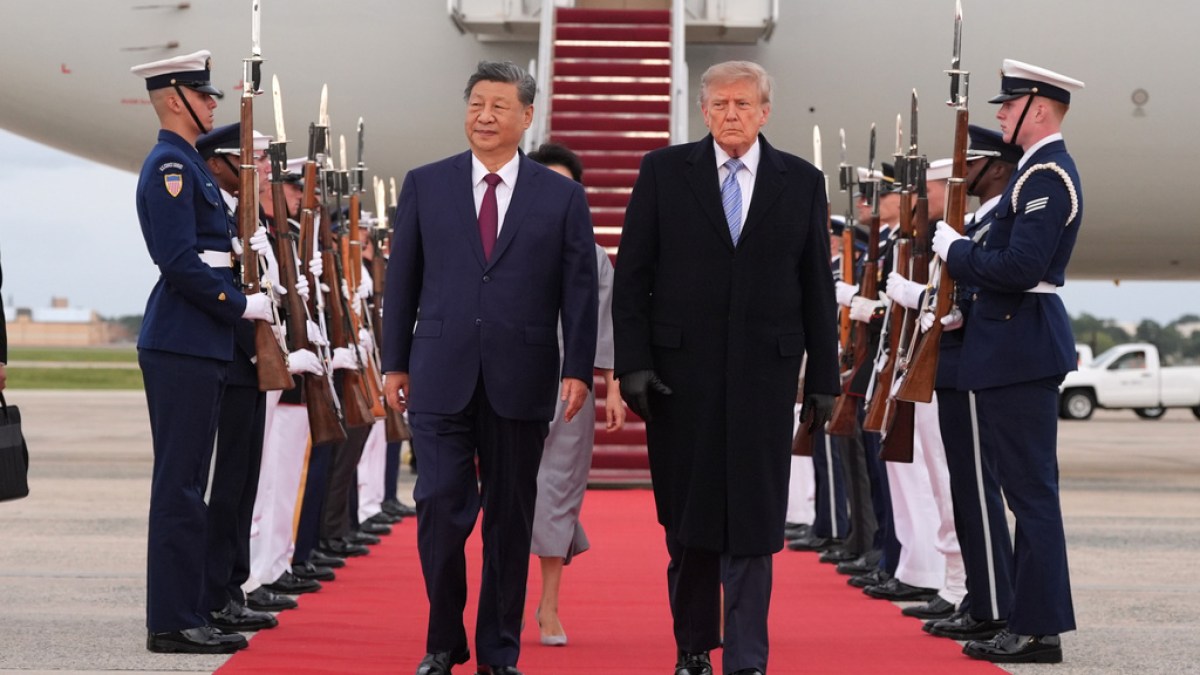
The impending diplomatic engagement between the United States and China represents a critical juncture in contemporary international relations, yet seasoned geopolitical analysts increasingly characterize the high-level summit as a carefully choreographed diplomatic exercise rather than a catalyst for transformative policy breakthroughs. Set against a backdrop of enduring strategic competition, state actors in both Washington and Beijing are navigating a complex labyrinth of mutual distrust, historical grievances, and competing visions for the global order. While official diplomatic channels emphasize the necessity of maintaining open lines of communication, the foundational architecture of bilateral ties remains heavily strained by long-standing disputes over territorial sovereignty, technological preeminence, and military posture in the Indo-Pacific region. The diplomatic agenda formally encompasses high-stakes deliberations on bilateral trade imbalances, artificial intelligence governance, and strategic security frameworks designed to prevent accidental military escalation. However, diplomatic insiders and foreign policy experts suggest that the primary objective for both administrations is not the signing of sweeping bilateral accords, but rather the establishment of a predictable floor beneath a rapidly deteriorating relationship. By prioritizing risk-reduction mechanisms and managed competition, both superpowers aim to signal to domestic and international audiences that escalation dominance remains under control, even as fundamental structural divergences persist across every major dimension of statecraft.
Global Trade & Economic Ripples
The commercial implications of the US-China summit extend far beyond the diplomatic negotiating table, casting a long shadow over global energy markets, international supply chains, and commodity pricing architectures. International trade flows have grown increasingly fragmented as both economic superpowers weaponize industrial policy, export controls, and targeted tariffs to secure strategic supply chains in critical sectors such as semiconductors, rare earth elements, and advanced manufacturing. Commodity markets—ranging from industrial metals and agricultural goods to global crude oil benchmarks—remain highly sensitive to any rhetorical shifts emanating from the summit, pricing in the persistent risk of secondary sanctions and logistical disruptions across vital maritime shipping lanes in the South China Sea and the Taiwan Strait. Multinational corporations and global logistics operators are actively reconfiguring their operational footprints, transitioning away from deeply integrated, single-source manufacturing models toward diversified, resilience-focused supply networks. This structural shift, often termed de-risking, introduces permanent cost pressures into the global economy, influencing currency valuations across emerging markets and altering traditional trade corridors. Consequently, commercial stakeholders across the global commodity complex are maintaining robust hedging strategies, anticipating that superficial diplomatic rapprochement will do little to dismantle the existing tariff regimes and regulatory barriers currently constraining cross-border commerce.
Related Intelligence: US-China Summit Puts Trade and Global Markets in Focus
International Reactions & Diplomatic Stances
The international community has responded to the announcement of the summit with a mixture of cautious optimism and systemic anxiety. Multilateral institutions, including the United Nations and the International Monetary Fund, have repeatedly emphasized that prolonged friction between the world's two largest economies poses a severe downside risk to global macroeconomic stability and development finance. Allied capitals in Europe and the Indo-Pacific are closely monitoring the diplomatic exchanges, seeking assurances that bilateral deals between Washington and Beijing will not compromise broader multilateral trade frameworks or destabilize regional security architectures. Meanwhile, international market analysts and financial institutions remain deeply skeptical regarding the long-term efficacy of the summit's deliverables. Rating agencies and macroeconomic forecasting desks have advised clients to distinguish between symbolic diplomatic theater and genuine structural reform. Consensus opinion suggests that while high-level summits serve a vital function in preventing active geopolitical conflict, they are structurally incapable of resolving the profound ideological, economic, and technological asymmetries that continue to define the contemporary great power rivalry.
Strategic Outlook & Future Scenarios
Looking ahead, the trajectory of US-China relations will likely be characterized by persistent tactical engagement punctuated by episodic strategic friction. Upcoming multilateral summits, bilateral working groups, and legislative sessions in both capitals will serve as primary testing grounds for the durability of any understandings reached during the current diplomatic outreach. Rather than experiencing a comprehensive thaw, the bilateral relationship is settling into a protracted phase of managed rivalry, where both nations compete vigorously for technological dominance and geopolitical influence while maintaining carefully guarded channels for crisis communication. Key escalation points to watch in the medium term include regulatory tightening on artificial intelligence deployment, further expansion of semiconductor export restrictions, and potential flashpoints in maritime security. For global enterprises and commodity traders, navigating this complex geopolitical terrain requires continuous scenario planning, diversified asset allocation, and an acute awareness that the foundational rules of international trade are undergoing a permanent, historic transformation.
Join Our Official WhatsApp Channel
Receive live commodity alerts, policy changes, and commercial intelligence directly on WhatsApp.