
US Judge Blocks White House Press Restrictions Amid Institutional Standoff
A United States federal judge has extended access credentials for key media organizations, ruling that attempts by the executive branch to revoke press passes likely violate administrative and constitutional standards.
Geopolitical & Core Developments
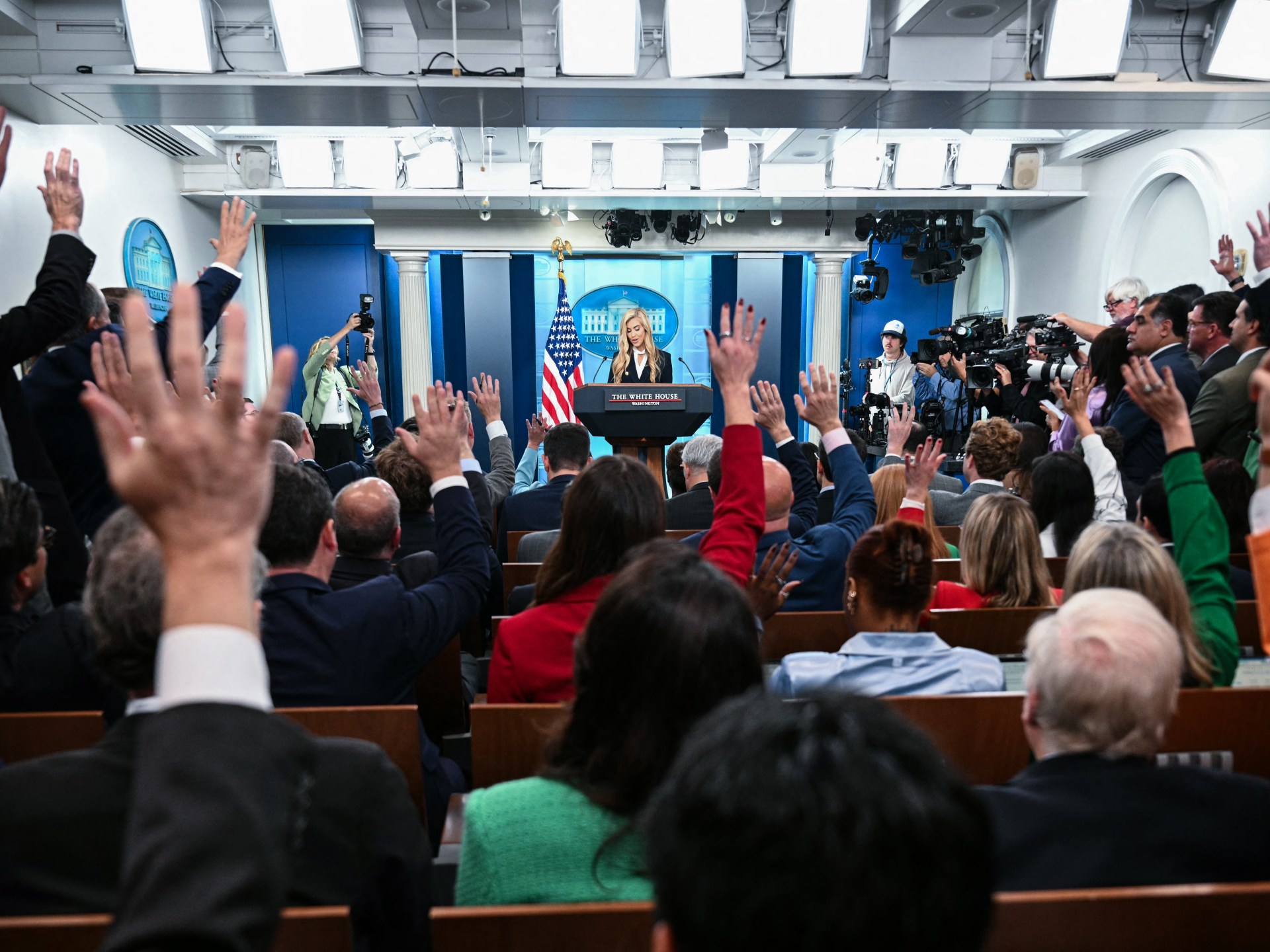
A United States federal judge has issued an extended injunction safeguarding the press credentials of several prominent news organizations, including CNN, Politico, and MSNBC, following executive attempts to restrict their access to the White House press briefing room. The ruling determined that unilateral efforts to bar accredited journalists likely breached constitutional due process protections and established administrative protocols governing the executive branch's relationship with the fourth estate.
The standoff represents a significant flashpoint in the broader contest over institutional norms and constitutional checks and balances in Washington. The administration's move to suspend or alter access protocols was framed by executive officials as a matter of presidential prerogative and decorum management. However, legal challenges brought by media organizations argued that the selective revocation of hard passes penalizes critical reporting and sets a precarious legal precedent. The judicial intervention reinforces the role of the federal judiciary as an arbiter of state power, maintaining the status quo while substantive constitutional litigation proceeds through the appellate system.
[Global Trade](/news/yemen-war-scenarios-houthi-red-sea-trade-impact) & Economic Ripples
While predominantly a domestic legal and constitutional issue, institutional friction in the world's largest economy generates notable secondary effects on international business sentiment and market stability. Financial markets, cross-border investors, and commodity trading desks depend heavily on unfettered, real-time dissemination of policy directives, regulatory decisions, and macroeconomic data originating from the executive branch.
Restricting established press pools introduces friction into the transmission of market-moving information, raising operational risks for global capital allocators. Uncertainty surrounding executive governance models frequently translates into volatility premiums across foreign exchange markets and interest rate derivatives. Furthermore, institutional turbulence within Washington can slow the formulation and execution of bilateral trade pacts, tariff reviews, and supply chain security frameworks, directly impacting multinational logistics, energy markets, and international manufacturing corridors that rely on predictable policy signals.
Related Intelligence: Yemen War at Crossroads as Escalation Threatens Global Trade Corridors
International Reactions & Diplomatic Stances
The judicial decision has resonated across international diplomatic circles and multilateral monitoring bodies. Global press freedom advocates, including the International Press Institute and Reporters Without Borders, welcomed the court's extension, characterizing it as a vital defense of democratic accountability and institutional transparency.
Diplomatic observers across allied capitals, particularly in Western Europe and the Asia-Pacific, have monitored the dispute as an indicator of US domestic stability and democratic resilience. Official spokespersons from international human rights bodies have reiterated that the protection of independent journalism remains a core benchmark of state compliance with international civil and political covenants. Conversely, state-aligned media outlets in competing geopolitical capitals have utilized the executive-press confrontation to challenge the narrative of Western democratic exceptionalism, pointing to domestic institutional fractures within the United States.
Strategic Outlook & Future Scenarios
The trajectory of the legal standoff points toward prolonged appeals, potentially escalating to the Supreme Court if the executive branch seeks to establish a definitive precedent regarding discretionary access to executive facilities. In the near term, administrative agencies are expected to draft more stringent, formalized accreditation rules in an effort to circumvent judicial scrutiny, potentially sparking secondary legal challenges.
Strategically, persistent friction between the executive branch and established media institutions may alter communication pathways, prompting policymakers to rely increasingly on non-traditional platforms and selective access formats. For international markets, sovereign partners, and commercial enterprises, this evolving media landscape requires more diversified monitoring mechanisms to accurately assess policy directions, geopolitical commitments, and regulatory shifts emanating from Washington.
Join Our Official WhatsApp Channel
Receive live commodity alerts, policy changes, and commercial intelligence directly on WhatsApp.