
PTI Mounts Legal Challenge Against Emergency Rule in Khyber Pakhtunkhwa
Pakistan Tehreek-e-Insaf has formally challenged federal preparations to impose emergency or governor's rule in Khyber Pakhtunkhwa, citing constitutional violations and triggering deep anxiety across regional trade hubs.
The Core Development
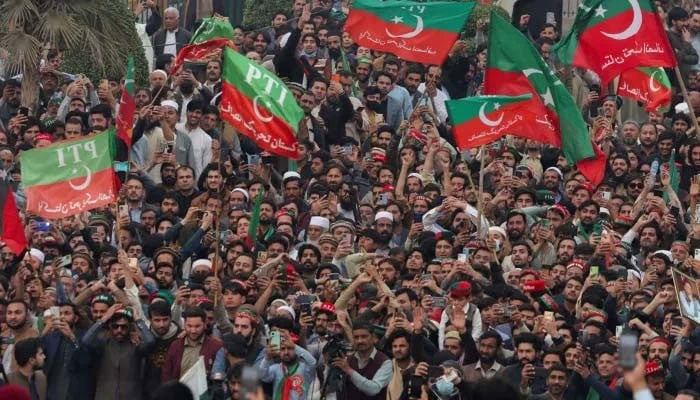
Pakistan Tehreek-e-Insaf (PTI) has filed a constitutional petition in the Peshawar High Court to preemptively challenge prospective federal measures aimed at enforcing financial emergency or governor's rule across Khyber Pakhtunkhwa. The legal confrontation comes in the wake of escalating friction between the federal coalition in Islamabad and the provincial administration in Peshawar, led by Chief Minister Ali Amin Gandapur.
Senior legal counsel representing the provincial leadership argued before the court that unilateral moves under Article 232 and Article 234 of the Constitution bypass parliamentary thresholds and infringe upon provincial autonomy guaranteed by the 18th Constitutional Amendment. Federal ministers have increasingly pointed to persistent law-and-order deficits, public finance stress, and administrative non-cooperation along strategic transit corridors as grounds for federal intervention. The petition seeks an immediate restraining order barring the federal executive from suspending elected provincial machinery or superimposing bureaucratic oversight via the Governor's office.
Commercial & Economic Implications
Khyber Pakhtunkhwa serves as the primary conduit for Pakistan's land-based trade with Afghanistan and the wider Central Asian Republics. Protracted political confrontations and potential federal takeovers threaten commercial supply networks operating through the Torkham and Ghulam Khan border crossings. Daily bilateral logistics and domestic distribution networks account for an estimated Rs 3.5 billion in commercial turnover, involving agricultural produce, industrial inputs, and fast-moving consumer goods.
Wholesale commodity markets in Peshawar, including the historic Qissa Khwani and Ashraf Road grain terminals, report heightened inventory hoarding and volatility in working-capital cycles. Transport cartels have adjusted freight tariffs upward by 8 to 12 percent over the past week to offset security-related delays and policy uncertainty. Importers and fast-moving consumer goods distributors warn that administrative paralysis within provincial revenue collection and regulatory bodies could exacerbate structural inflation, disrupting retail price stability across regional secondary markets.
Related Intelligence: Parliament Endorses Federal Emergency in Khyber Pakhtunkhwa Amid Security Crisis
Stakeholder Perspectives & Market Reactions
The Sarhad Chamber of Commerce and Industry (SCCI) has urged institutional restraint, warning that regulatory deadlock will deter private investment and disrupt formal transit commerce. Chamber representatives noted that ongoing political volatility has already dampened micro-enterprise financing and cross-border commercial clearances.
Legal scholars emphasize that invoking emergency provisions under fiscal pretexts remains constitutionally tenuous without verifiable evidence of state breakdown or severe institutional paralysis. Conversely, federal policy circles contend that provincial non-compliance with unified fiscal frameworks and deteriorating regional governance necessitate decisive corrective measures to prevent macroeconomic contagion. Commercial lenders and microfinance institutions operating within the province have adopted a conservative liquidity stance, tightening collateral scrutiny for trade credit facilities.
Forward Outlook & Key Watchpoints
The Peshawar High Court is scheduled to conduct preliminary hearings to deliberate on the petition's maintainability and the scope of interim injunctive relief. Market participants are monitoring whether federal authorities will formally issue notifications or seek joint parliamentary ratification, which requires significant legislative coordination.
Key watchpoints over the coming weeks include freight clearance volumes at key custom posts, stability of retail food supply chains, and municipal tax collection metrics. Should institutional confrontation lead to an operational standstill or extended litigation, market volatility will likely spill into primary capital and credit markets across northwestern commercial corridors.
Join Our Official WhatsApp Channel
Receive live commodity alerts, policy changes, and commercial intelligence directly on WhatsApp.