
US and Iran Resume High-Stakes New York Diplomatic Tracks Amid Market Anxiety
High-level diplomatic contacts between Washington and Tehran in New York highlight shared interest in a settlement, though stark procedural divides continue to threaten global energy and trade stability.
Geopolitical & Core Developments
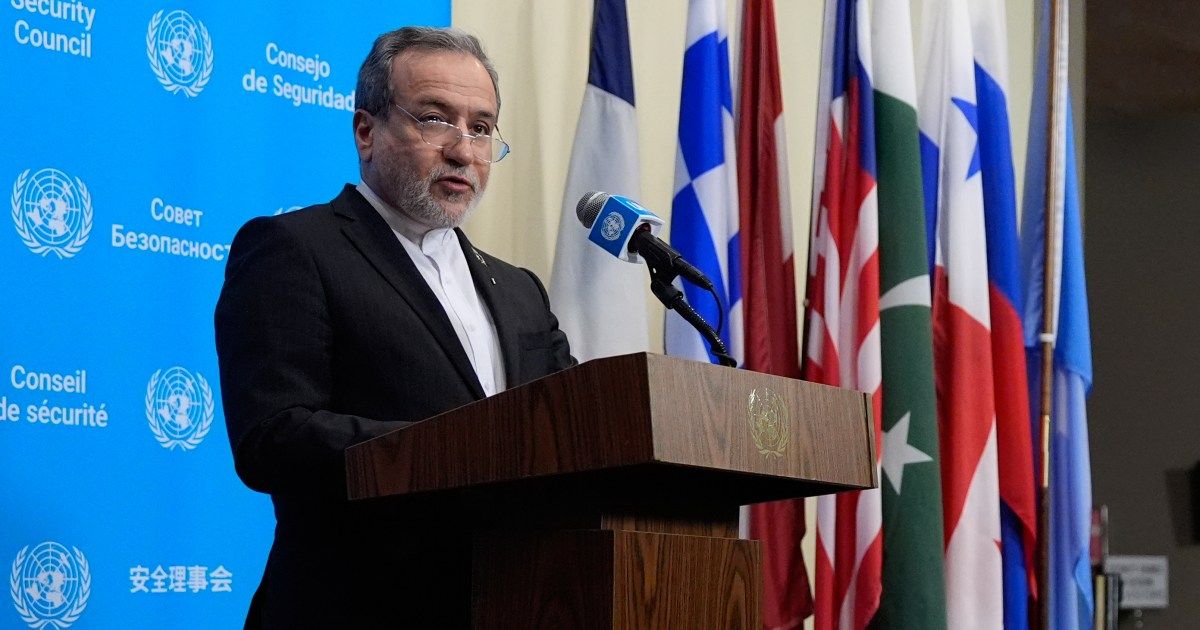
Indirect diplomatic engagements between the United States and Iran have reconvened in New York, marking a critical juncture in bilateral relations that have remained deeply fractured for decades. While both Washington and Tehran have repeatedly articulated a strategic preference for a negotiated diplomatic settlement over open conflict, the fundamental mechanics of achieving such an accord remain deeply contested. State department officials and Iranian delegates, operating through intermediary channels provided by European and regional partners, are currently clashing over the critical issue of sequencing. Washington insists upon verifiable, front-loaded rollback of Iran's advanced nuclear enrichment activities before any substantial sanctions relief can be codified. Conversely, Tehran maintains that the United States, having unilaterally abandoned the Joint Comprehensive Plan of Action under prior administrations, must first lift crippling financial and sectoral embargoes to establish baseline trust. This procedural stalemate has persisted through successive administrations, turning New York diplomatic corridors into a high-stakes arena where minor gestures carry massive strategic weight.
Global Trade & Economic Ripples
The prolonged diplomatic impasse carries immediate, far-reaching consequences for international commodity markets, particularly global energy supplies. Crude oil benchmarks continue to exhibit high sensitivity to any rhetorical shifts emanating from these New York talks. International traders are pricing in what analysts term a persistent geopolitical risk premium, reflecting the perpetual vulnerability of key maritime corridors such as the Strait of Hormuz. Any escalation in tensions or breakdown in diplomatic channels threatens nearly a fifth of the world's petroleum supply, which could trigger immediate supply chain bottlenecks, sky-rocketing freight and insurance rates for commercial tankers, and acute inflationary pressures across importing economies in Asia and Europe. Beyond petroleum, global agricultural and manufactured goods markets remain shadowed by the secondary enforcement of US sanctions on financial clearing houses, complicating trade finance and currency settlement mechanisms for emerging market nations that rely on uninterrupted commercial corridors.
Related Intelligence: West Bank Violence Escalates Geopolitical Risks for Trade and Energy
International Reactions & Diplomatic Stances
Multilateral bodies and regional stakeholders have monitored the New York engagements with cautious optimism mixed with palpable anxiety. United Nations officials have repeatedly underscored that direct and sustained dialogue remains the only viable mechanism to avert catastrophic regional escalation. European Union coordinators, acting as persistent facilitators, have urged both capitals to demonstrate greater flexibility on technical verification benchmarks. Meanwhile, regional powers in the Gulf Cooperation Council have expressed cautious relief that diplomatic channels remain open, while simultaneously hedging their security architectures through independent bilateral engagements. International market analysts and credit rating agencies warn, however, that institutional fatigue is setting in. The international community is increasingly wary of prolonged diplomatic holding patterns that neither resolve core security dilemmas nor provide predictability for long-term commercial capital investments.
Strategic Outlook & Future Scenarios
Looking ahead, the trajectory of US-Iran relations will heavily influence global security and macroeconomic stability through the upcoming fiscal quarters. Several critical milestones and potential escalation points loom on the horizon, including upcoming sessions of the International Atomic Energy Agency Board of Governors and domestic political transitions in key capitals. If negotiators in New York manage to forge a preliminary framework or an interim understanding regarding freezing current enrichment levels in exchange for targeted humanitarian waivers, global equity and energy markets could experience a welcome decompression. Conversely, a failure to bridge the sequencing gap risks precipitating a new cycle of mutual escalation, potentially involving expanded sanctions enforcement, enhanced maritime security patrols, and heightened risk of kinetic incidents in the Middle East. For global supply chain operators and commodity traders, maintaining rigorous contingency planning and flexible logistics frameworks remains an absolute operational necessity as this complex diplomatic drama unfolds.
Join Our Official WhatsApp Channel
Receive live commodity alerts, policy changes, and commercial intelligence directly on WhatsApp.