
Iran Leverages Strait of Hormuz and Yemen for Strategic Concessions
Iran is leveraging geopolitical tensions in the Strait of Hormuz and Yemen to demand US concessions and regional dominance.
Geopolitical & Core Developments
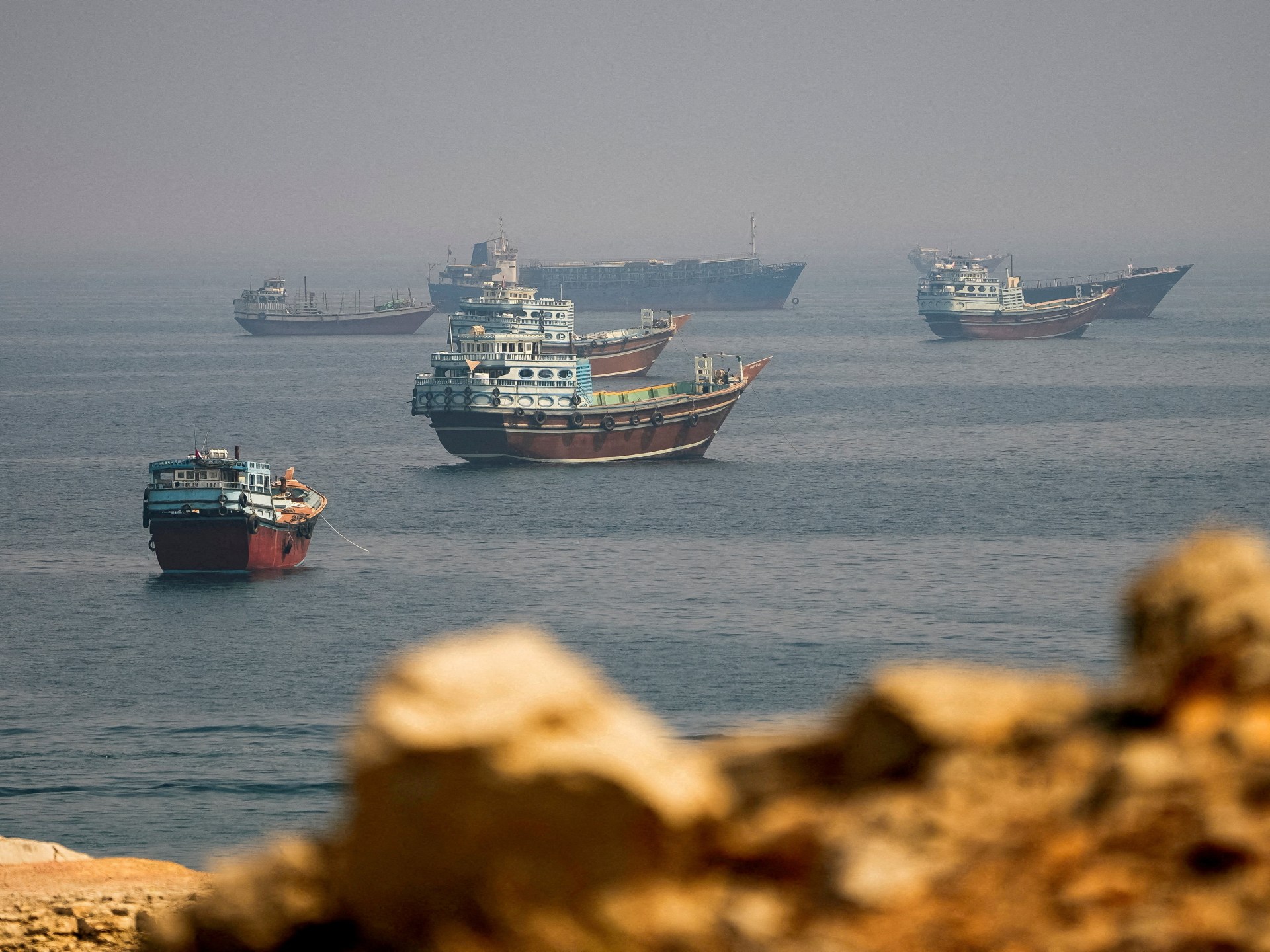
Recent strategic maneuvers by Tehran have once again thrust the vital maritime corridors of the Middle East into the center of international diplomacy. By leveraging its direct influence over regional proxy networks, particularly the Houthi movement in Yemen, and maintaining a posture of calculated friction in the Strait of Hormuz, Iran is actively seeking to rewrite the security architecture of the Persian Gulf. According to recent reports from Al Jazeera and regional intelligence assessments, Tehran's primary objective is twofold: securing tangible economic relief from crippling international sanctions and forcing the United States to recalibrate its military footprint and diplomatic posture in the region.
The timing of this strategic pressure coincides with delicate transitions in global governance and shifting alliances across the Middle East. By demonstrating its capacity to disrupt commercial maritime traffic through Yemen's Red Sea approaches and the narrow waters of Hormuz—through which a massive share of the world's petroleum passes—Iran has positioned itself as an unavoidable actor in any prospective regional de-escalation framework. Diplomatic channels, often operating through intermediary states in the Gulf and Europe, reveal that Tehran is conditioning any permanent reduction of hostilities on explicit concessions regarding frozen assets, sanctions relief, and tacit acknowledgment of its strategic sphere of influence.
Global Trade & Economic Ripples
The commercial implications of Iran's maritime leverage extend far beyond the immediate waters of the Persian Gulf and the Red Sea, sending immediate shockwaves through global commodity markets and supply chains. Energy traders have been forced to price in a persistent 'risk premium' for crude oil and liquefied natural gas (LNG), as the threat of disruption in the Strait of Hormuz menaces global energy security. Even when physical shipments are not directly interdicted, the psychological impact of potential chokepoint closures introduces extreme volatility into futures markets, directly affecting inflation metrics in major economies across Asia and Europe.
Simultaneously, international shipping conglomerates have had to fundamentally restructure their operational routes. The ongoing security crisis in the Red Sea has compelled major container lines to bypass the Suez Canal entirely, diverting fleets around the Cape of Good Hope. This rerouting adds thousands of nautical miles and weeks of transit time to voyages between Asian manufacturing hubs and European consumer markets. The resulting surge in bunker fuel consumption, vessel charter rates, and marine war-risk insurance premiums has driven up freight costs, creating a compounding inflationary pressure on raw materials, manufactured goods, and bulk agricultural commodities worldwide.
Related Intelligence: Philippine Transport Strikes Erupt Amid Middle East Fuel Shock
International Reactions & Diplomatic Stances
The international community has responded with a mixture of diplomatic condemnation, naval deterrence, and anxious behind-the-scenes negotiations. The United Nations Security Council has repeatedly emphasized the inviolability of freedom of navigation under international law, calling for an immediate cessation of attacks on commercial vessels in the Red Sea and Gulf of Aden. Western capitals, led by the United States and the European Union, have maintained a dual-track strategy: deploying defensive naval coalitions to protect shipping lanes while concurrently tightening economic sanctions on Iranian petrochemical networks and illicit financial conduits.
However, regional powers such as Saudi Arabia and the United Arab Emirates have adopted a more nuanced, diplomatic-first approach. Anxious to protect their own ambitious economic diversification programs and multi-billion-dollar infrastructure projects from the fallout of a wider regional conflagration, Gulf capitals have intensified direct dialogue with Tehran. Economic analysts note that these regional states are increasingly wary of being caught in the crossfire of a prolonged US-Iran standoff, prompting them to prioritize bilateral detente and regional diplomacy over aggressive military postures.
Strategic Outlook & Future Scenarios
Looking ahead, the trajectory of maritime security in the Middle East will depend heavily on the willingness of major powers to engage in comprehensive diplomatic bargaining that addresses both nuclear proliferation and regional security architecture. In the near term, the status quo is likely to remain volatile, characterized by low-intensity maritime skirmishes, cyber operations, and high-stakes diplomatic brinkmanship. Sanctions enforcement will remain a primary tool for Western governments, though enforcement gaps through third-party intermediaries continue to blunt their macroeconomic impact.
Upcoming diplomatic summits and bilateral talks will serve as critical barometers for whether a sustainable de-escalation formula can be forged. Should negotiations stall, the risk of miscalculation between Western naval forces and Iranian Revolutionary Guard Corps vessels in confined waters remains dangerously high. For global commodity markets and supply chain managers, the prevailing reality is one of perpetual uncertainty, requiring agile logistics strategies, diversified sourcing, and robust risk management to navigate an era of persistent geopolitical fragmentation.
Join Our Official WhatsApp Channel
Receive live commodity alerts, policy changes, and commercial intelligence directly on WhatsApp.