
French High School Protests Escalate Amid Nationwide Unrest
Over 400 detentions in France following escalating high school student protests over resources have raised domestic stability concerns and threatened regional commercial logistics.
Geopolitical & Core Developments
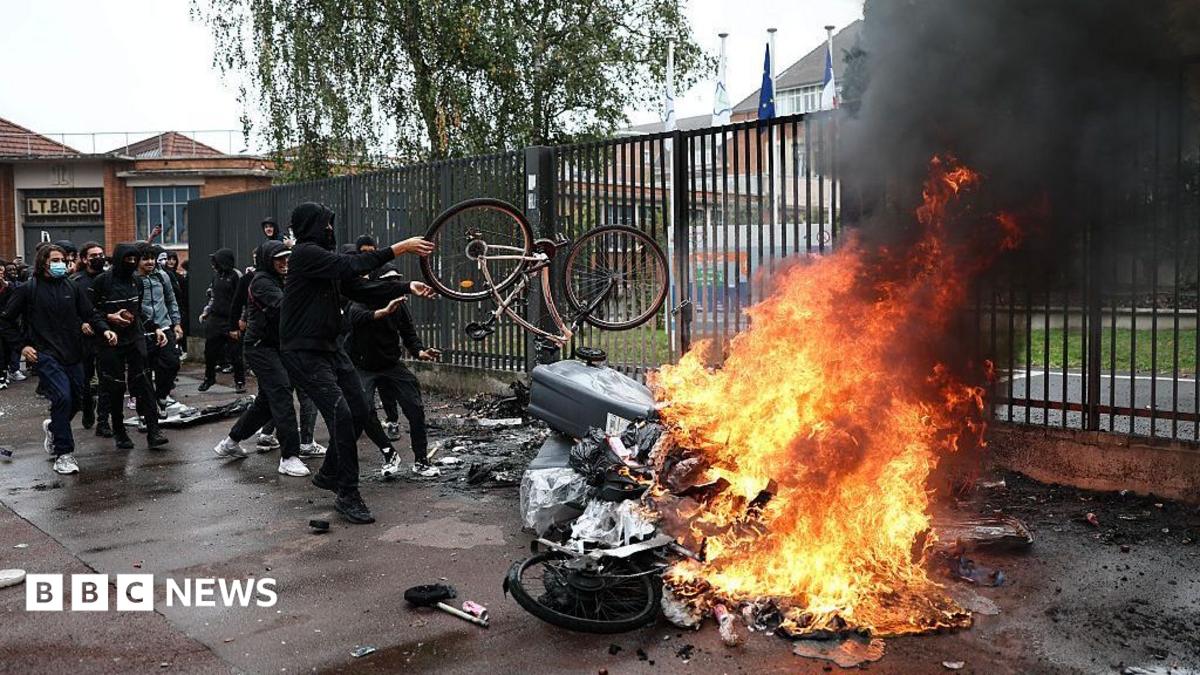
The French educational landscape has descended into a state of acute crisis following a sharp escalation in nationwide student demonstrations originating from grievances over high school conditions and resource allocations. Over the past week, protests that began as localized walkouts transformed into widespread civil friction, culminating in law enforcement detaining more than 400 individuals across various municipalities. State actors within the Ministry of Interior have deployed heightened security apparatuses to manage escalating street blockades, tire burnings, and clashes outside secondary institutions. This domestic turbulence reverberates through Paris, challenging the administration's capacity to maintain public order while simultaneously negotiating structural reforms. The timeline of unrest points to deeply entrenched systemic frustrations regarding infrastructure deficits, declining teacher-to-student ratios, and broader socio-economic pressures felt by the younger demographic. As strategic stakes rise for the central government, the intersection of youth activism and hardened police responses risks compounding political polarization across the republic, drawing scrutiny from regional European neighbors observing France's internal resilience.
Global Trade & Economic Ripples
While the demonstrations remain rooted in educational policy and institutional funding, the commercial ramifications for global markets and domestic supply chains are increasingly tangible. Major urban commercial hubs, including Paris, Lyon, and Marseille, have experienced sporadic transit disruptions, localized retail closures, and delivery bottlenecks. Although international energy markets and major maritime shipping lanes remain fundamentally insulated from these localized disruptions, short-term volatility has impacted domestic freight forwarding and urban logistics networks. Multinational corporations operating within French retail and service sectors report minor delays in inventory distribution. Furthermore, persistent domestic unrest introduces a psychological discount on the Euro, as currency traders evaluate the dampening effect of sustained civil friction on domestic consumer confidence, retail sales velocity, and national economic growth projections for the upcoming fiscal quarters.
Related Intelligence: Pakistan Cuts Fuel Prices Amid Global Market Shifts
International Reactions & Diplomatic Stances
International bodies and foreign ministries have begun monitoring the unfolding situation with cautious attention. While multilateral organizations such as the United Nations have not issued formal interventions regarding domestic policing methods, human rights monitors have emphasized the imperative of safeguarding peaceful assembly rights for minors. Neighboring European Union member states have expressed diplomatic solidarity with Paris, privately acknowledging the complex domestic policy challenges confronting central governments across the Eurozone. Financial and market analysts at major global institutions have incorporated the social unrest into their sovereign risk assessments for France, noting that prolonged civil instability could impair structural reform momentum. Foreign trade partners remain vigilant, assessing whether domestic labor and student grievances might cascade into broader industrial action affecting key transport and energy sectors.
Strategic Outlook & Future Scenarios
Looking ahead, the trajectory of the French student protests hinges on the central government's willingness to engage in substantive fiscal concessions regarding educational infrastructure versus its commitment to maintaining uncompromising public order. Upcoming legislative sessions and scheduled labor union meetings serve as critical escalation points that could either de-escalate the crisis or fuse student grievances with broader labor discontent. If the administration fails to address underlying institutional deficits, the movement risks morphing into protracted urban unrest, potentially impacting upcoming international summits hosted in Europe. Sanctions or direct geopolitical interventions are absent, given the domestic nature of the crisis; however, the long-term strategic outlook underscores the vulnerability of advanced economies to grassroots civil disruption, with direct implications for investor confidence and domestic stability metrics.
Join Our Official WhatsApp Channel
Receive live commodity alerts, policy changes, and commercial intelligence directly on WhatsApp.