
Iran Faces Severe Supply Strain Amid Escalating US Tensions
Iran is experiencing acute shortages of food and medicine as sweeping Western sanctions and fears of impending conflict with the United States strain vital supply networks.
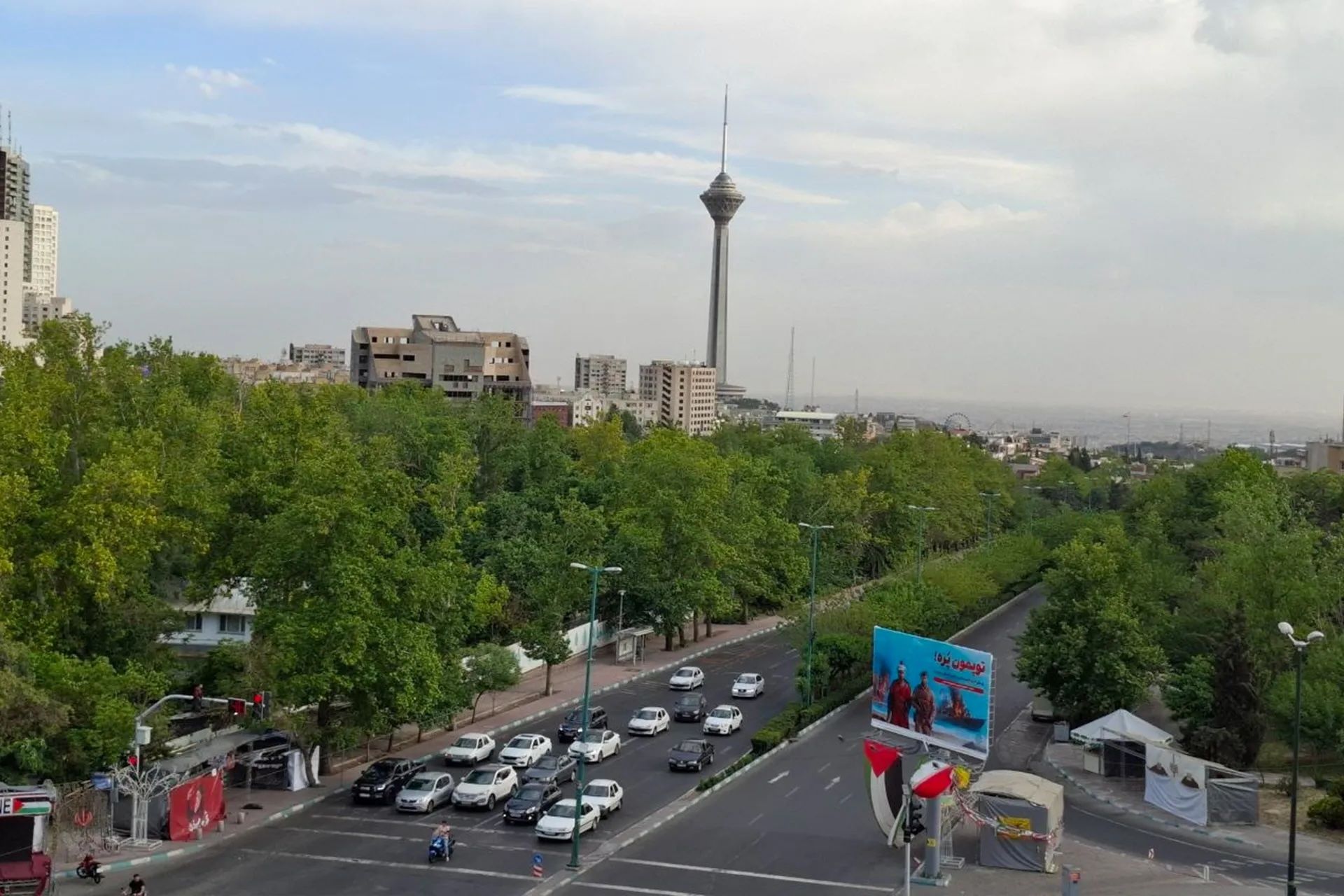
Geopolitical & Core Developments
Tensions across the Middle East have reached a critical juncture, directly impacting civilian life inside Iran as fears of renewed military conflict with the United States intensify. Citizens across major urban centers, including Tehran, have begun aggressively stockpiling basic food staples, non-perishable goods, and essential pharmaceuticals. This hoarding behavior is driven by mounting anxieties over potential direct military engagements, strategic strikes, or a total tightening of international blockades. The psychological impact of persistent rhetoric from Washington and regional capitals has created a pervasive atmosphere of crisis, forcing households to prepare for prolonged isolation and severe economic disruption.
At the heart of this domestic strain is the compounding effect of long-standing unilateral economic sanctions imposed by the United States. While humanitarian goods are theoretically exempt from these trade restrictions, the reality of over-compliance by international banks, shipping lines, and insurance conglomerates has effectively locked Iran out of secure global financial messaging systems. Consequently, the mechanisms required to execute routine international trade settlements for wheat, rice, and specialized medical treatments have broken down, leaving domestic distribution networks starved of essential inventory.
Global Trade & Economic Ripples
The deterioration of economic stability in Iran carries profound implications for global commodity markets and international trade channels. Although Iran's direct hydrocarbon exports remain heavily restricted by secondary sanctions, any escalation in military posture within the Persian Gulf immediately reverberates through global energy pricing. Traders and institutional investors are pricing in heightened geopolitical risk premiums, particularly concerning the security of the Strait of Hormuz—a vital maritime chokepoint through which a significant portion of the world's petroleum and liquefied natural gas traverses.
Furthermore, supply chain disruptions originating in the region extend beyond energy to affect broader agricultural and industrial shipping routes. Freight forwarders are increasingly avoiding volatile maritime zones, leading to elevated insurance premiums, extended transit times, and inflated shipping costs. For global commodity traders dealing in bulk grains and medical raw materials, the Iranian crisis serves as a stark reminder of the vulnerability inherent in modern logistics networks when geopolitical friction intersects with critical trade corridors.
Related Intelligence: Iran Leverages Strait of Hormuz and Yemen for Strategic Concessions
International Reactions & Diplomatic Stances
International bodies and diplomatic actors have expressed mounting concern over the deteriorating humanitarian situation in Iran, though responses remain deeply polarized. Human rights advocates and specialized agencies within the United Nations have repeatedly warned that comprehensive sanctions regimes inadvertently exacerbate civilian suffering by obstructing the importation of life-saving medicines and medical equipment.
Western capitals maintain that their strategic posture is designed to counter regional proliferation and state-sponsored destabilization, arguing that the Iranian government prioritizes military expenditure over public welfare. Meanwhile, regional powers and multilateral organizations have called for immediate de-escalation, urging all parties to resume diplomatic channels to prevent a catastrophic regional conflagration. Market analysts note that unless targeted humanitarian carve-outs are effectively enforced by the international community, the humanitarian toll will continue to mount independently of military developments.
Strategic Outlook & Future Scenarios
Looking ahead, the trajectory of the Iranian domestic crisis will depend heavily on diplomatic maneuvers in upcoming international summits and potential backchannel negotiations between Washington and Tehran. The risk of miscalculation remains elevated as military assets maneuver within close proximity across the Persian Gulf, raising the specter of an accidental skirmish that could rapidly spiral into a broader regional war.
For international commerce and global supply chains, businesses must prepare for sustained volatility. Corporations operating in energy-intensive sectors or relying on Middle Eastern trade routes are advised to diversify sourcing channels and implement robust risk-mitigation strategies. As long as structural sanctions and geopolitical standoff persist, the domestic economy in Iran will remain exceptionally fragile, serving as a constant barometer for broader systemic risks in global geopolitics.
Join Our Official WhatsApp Channel
Receive live commodity alerts, policy changes, and commercial intelligence directly on WhatsApp.