
Russian Foreign Minister Lavrov Visits Tehran Amid Gulf Maritime Security Crisis
Russian Foreign Minister Sergey Lavrov arrives in Tehran for high-level talks on regional security as Gulf states urge Moscow to intervene in protecting critical maritime corridors.
Geopolitical & Core Developments
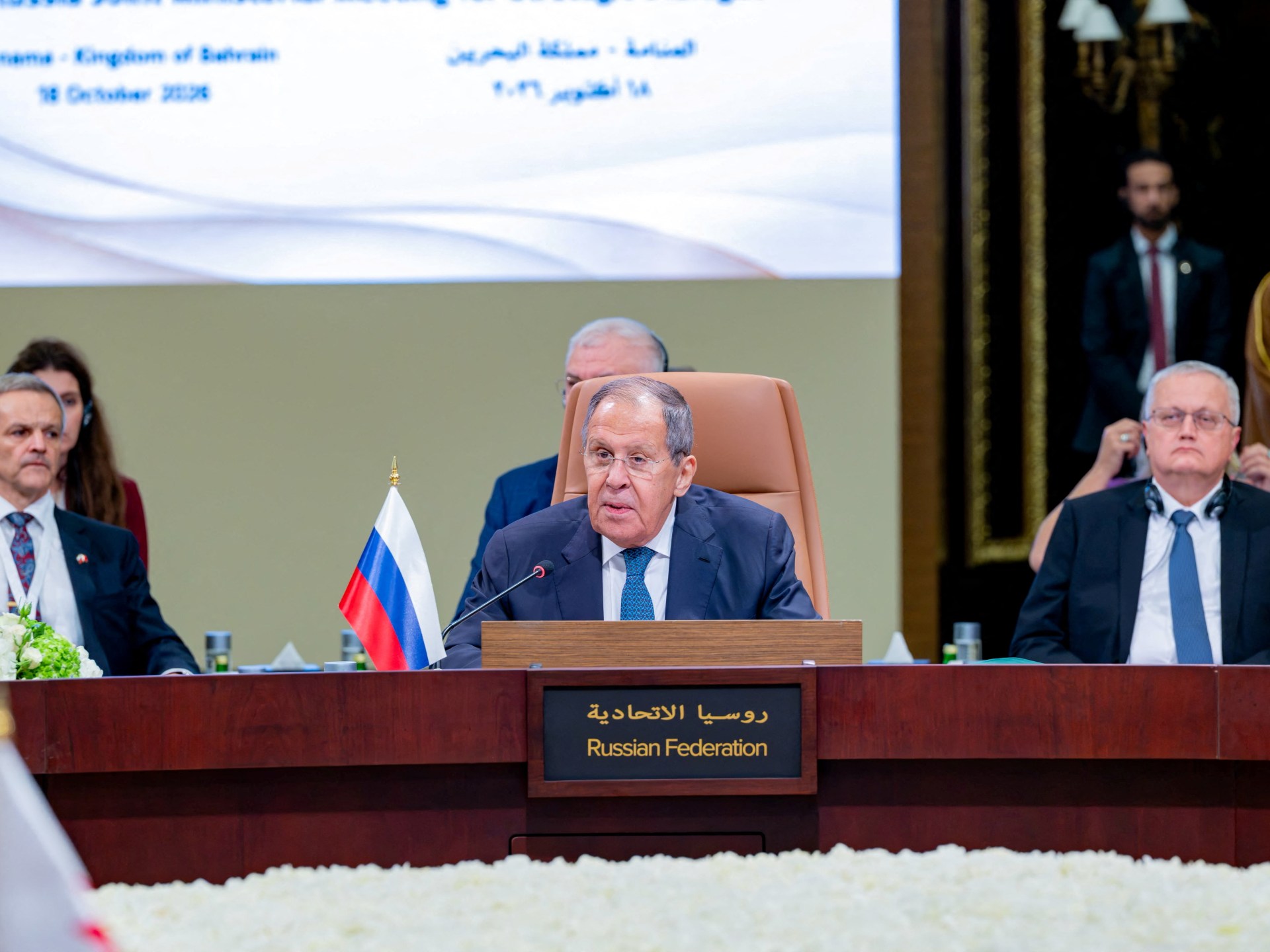
Russian Foreign Minister Sergey Lavrov has arrived in Tehran for high-stakes bilateral consultations focusing on regional security, counterbalancing Western military deployments, and stabilizing volatile trade routes across the Middle East. The diplomatic mission comes at a critical juncture marked by heightened tensions between Washington and Tehran, alongside intensifying regional military posturing. High on the agenda is the mounting pressure from Gulf Cooperation Council (GCC) member states, who have actively appealed to Moscow to utilize its strategic partnership with the Iranian leadership to avert disruptions to international shipping and de-escalate maritime friction.
The discussions between Lavrov and his Iranian counterparts center on bilateral defense cooperation, mutual security assurances, and multilateral coordination within frameworks such as BRICS and the Shanghai Cooperation Organisation (SCO). With Western sanctions tightening around both Moscow and Tehran, the bilateral relationship has evolved into a strategic axis aimed at circumventing unilateral economic measures and reconfiguring Eurasian security architecture. GCC capitals, traditionally reliant on Western security guarantees, have increasingly engaged Moscow as a vital diplomatic conduit capable of conveying critical de-escalation demands directly to Tehran's senior leadership.
Global Trade & Economic Ripples
The geopolitical volatility in the Persian Gulf introduces immediate structural risks to international trade and bulk commodity markets. The Strait of Hormuz remains the world's most critical petroleum transit chokepoint, processing approximately one-fifth of global liquid petroleum consumption alongside substantial volumes of liquefied natural gas (LNG). Any military friction or operational obstruction in this maritime artery directly translates into risk premiums across global crude benchmarks, pushing Brent and West Texas Intermediate futures upward.
Beyond direct energy commodity pricing, international shipping lines face surging war-risk insurance premiums, compounding overall transport expenditures for dry bulk, containerized goods, and petrochemical shipments. Prolonged instability risks altering conventional shipping routes, forcing maritime carriers to absorb longer transit times and higher bunker fuel expenses. For import-dependent economies across Asia and Europe, sustained maritime disruption threatens domestic inflationary spikes, input cost inflation for manufacturing sectors, and delayed fertilizer and hydrocarbon shipments vital for agricultural production.
Related Intelligence: Exiled Rwandan Dissident Beheaded in Uganda Sparks Regional Security Tensions
International Reactions & Diplomatic Stances
Moscow has framed its diplomatic intervention as a stabilizing effort aimed at fostering an inclusive security architecture in the Persian Gulf, reiterating calls for regional dialogue independent of Western military intervention. The Russian Foreign Ministry emphasized that enduring security cannot be established through unilateral force or punitive sanctions.
GCC leadership, while maintaining defense ties with the West, has stressed the absolute necessity of unimpeded commercial navigation. Diplomats across the Gulf have urged Moscow to act as a pragmatic mediator, highlighting that regional economic stability serves the collective interests of all energy-producing states. Conversely, Washington and its European allies remain skeptical of Moscow's expanding diplomatic footprint in the region, reiterating commitments to multinational maritime patrols and warning that ongoing military coordination between Russia and Iran undermines broader Middle Eastern equilibrium.
Strategic Outlook & Future Scenarios
The trajectory of regional stability hinges largely on whether Moscow can broker viable confidence-building measures between Tehran and neighboring Gulf states. A favorable outcome would entail localized maritime de-escalation, sustained passage through key commercial waterways, and renewed diplomatic channels addressing broader regional disputes.
However, the margin for operational error remains exceptionally narrow. An unexpected tactical escalation involving US naval assets or retaliatory strikes by regional proxies could rapidly supersede diplomatic efforts, triggering acute supply-side shocks across international energy markets. In the coming weeks, market participants will monitor whether Lavrov's mission yields institutional security frameworks or merely reflects transactional diplomatic posturing against Western geopolitical dominance.
Join Our Official WhatsApp Channel
Receive live commodity alerts, policy changes, and commercial intelligence directly on WhatsApp.