
Australian Independent Lawmaker Critically Injured in Suspected Targeted Vehicular Attack
An independent Australian lawmaker is fighting for life following a suspected targeted vehicular collision, prompting high-level national security investigations and sharp scrutiny over political stability.
Geopolitical & Core Developments
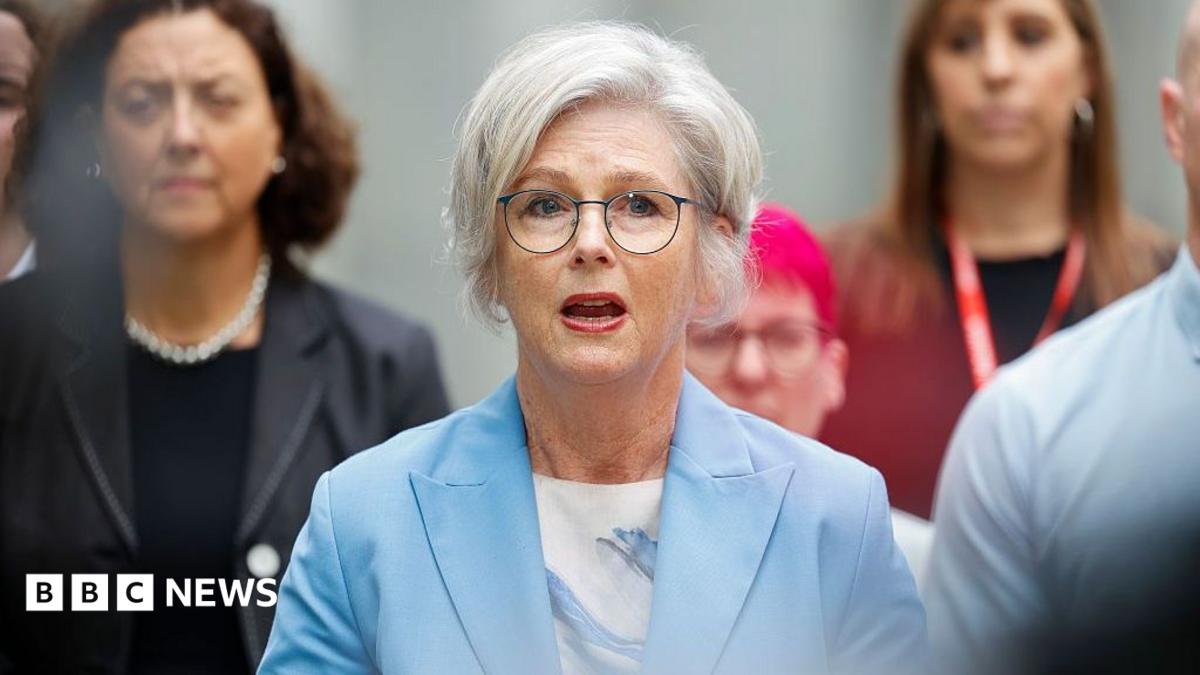
An independent member of parliament in Australia has been hospitalized with critical, life-threatening injuries following a vehicular collision that federal authorities have indicated may have been a deliberate, targeted act. The incident took place under circumstances that immediately drew the intervention of state police counter-terrorism commands and federal intelligence liaisons. The Australian Prime Minister addressed the nation shortly after the event, acknowledging preliminary intelligence suggesting the collision was not a standard traffic accident, but rather an intentional strike against an elected representative.
While law enforcement maintains active cordons around the scene, forensic investigators and national security analysts are reviewing digital footprints, surveillance footage, and potential extremist or grievance-driven motives. Australia has historically maintained an open, accessible model of civic governance, where members of parliament interact closely with constituencies without intensive, permanent security details. This apparent breach of personal safety marks a profound departure from traditional operational standards, raising pressing questions regarding political radicalization, domestic security protocols, and state resilience against targeted violence.
Global Trade & Economic Ripples
While localized political violence rarely alters immediate macroeconomic indicators, incidents targeting sovereign lawmakers introduce measurable risk premiums to national institutional stability. The Australian Dollar (AUD) exhibited subdued trading ranges against major G10 currencies following the initial press briefings, as institutional investors assessed whether the event represents an isolated criminal grievance or an emerging systemic security threat. Sovereign credit desks and international rating agencies track political cohesion closely, particularly in jurisdictions where narrow parliamentary margins or independent crossbenches dictate legislative momentum.
From a trade standpoint, Australia remains a linchpin in global critical mineral exports, liquefied natural gas (LNG), and agricultural supply chains across the Indo-Pacific. Any protracted domestic political friction or structural gridlock that slows regulatory reviews, environmental approvals, or infrastructure concessions can send ripple effects through regional supply lines. Market observers note that policy uncertainty in Canberra often translates directly into delayed capital expenditure decisions across resource-intensive sectors, reinforcing the sensitivity of corporate planning to domestic governance stability.
Related Intelligence: Pakistan and Saudi Arabia Strengthen Strategic Defense and Economic Alignment
International Reactions & Diplomatic Stances
Allied governments, including members of the Five Eyes intelligence partnership and Indo-Pacific diplomatic counterparts, have extended formal expressions of solidarity while monitoring intelligence assessments. Diplomatic missions in Canberra have initiated reviews of their own operational security frameworks, observing how Australian federal agencies calibrate response protocols. Multilateral observers have underscored the broader global trend of escalating hostility directed at democratic institutions, parliamentarians, and judicial figures across Western democracies.
Civil society bodies and political risk consultancies have emphasized that threats against independent and non-aligned lawmakers can significantly undermine democratic engagement. Official statements from crossbench members and established parties have converged on a unified defense of the rule of law, condemning any weaponization of violence to influence political outcomes. Analysts caution that international observers are evaluating how swiftly law enforcement can identify the perpetrator's network or ideological background to restore public confidence.
Strategic Outlook & Future Scenarios
The trajectory of this crisis hinges entirely on forthcoming forensic revelations, particularly whether the incident is categorized as an act of domestic terrorism, ideologically motivated violent extremism, or an isolated personal dispute. Should federal investigators establish formal links to organized extremist networks, the federal government will face immediate pressure to introduce hardened national security legislation, tighten public assembly parameters, and overhaul the protection architecture for all federal and state politicians.
Looking ahead, the incident is poised to accelerate bilateral counter-extremism dialogues ahead of regional security summits, where democratic resilience and counter-radicalization remain central agenda items. Furthermore, if the injured lawmaker is incapacitated for an extended period, the parliamentary balance of power could face procedural realignments, directly impacting legislative votes on regulatory and economic reforms. The priority for Canberra remains stabilizing governance, providing uncompromised transparency in the criminal probe, and reassuring international partners of Australia's enduring institutional security.
Join Our Official WhatsApp Channel
Receive live commodity alerts, policy changes, and commercial intelligence directly on WhatsApp.