
US Intensifies Economic and Military Pressure on Iran Amid Shifting Alliances
The United States has signaled an intensified campaign of economic and military pressure against Iran, while highlighting Moscow's apparent reluctance to intervene on Tehran's behalf.
Geopolitical & Core Developments
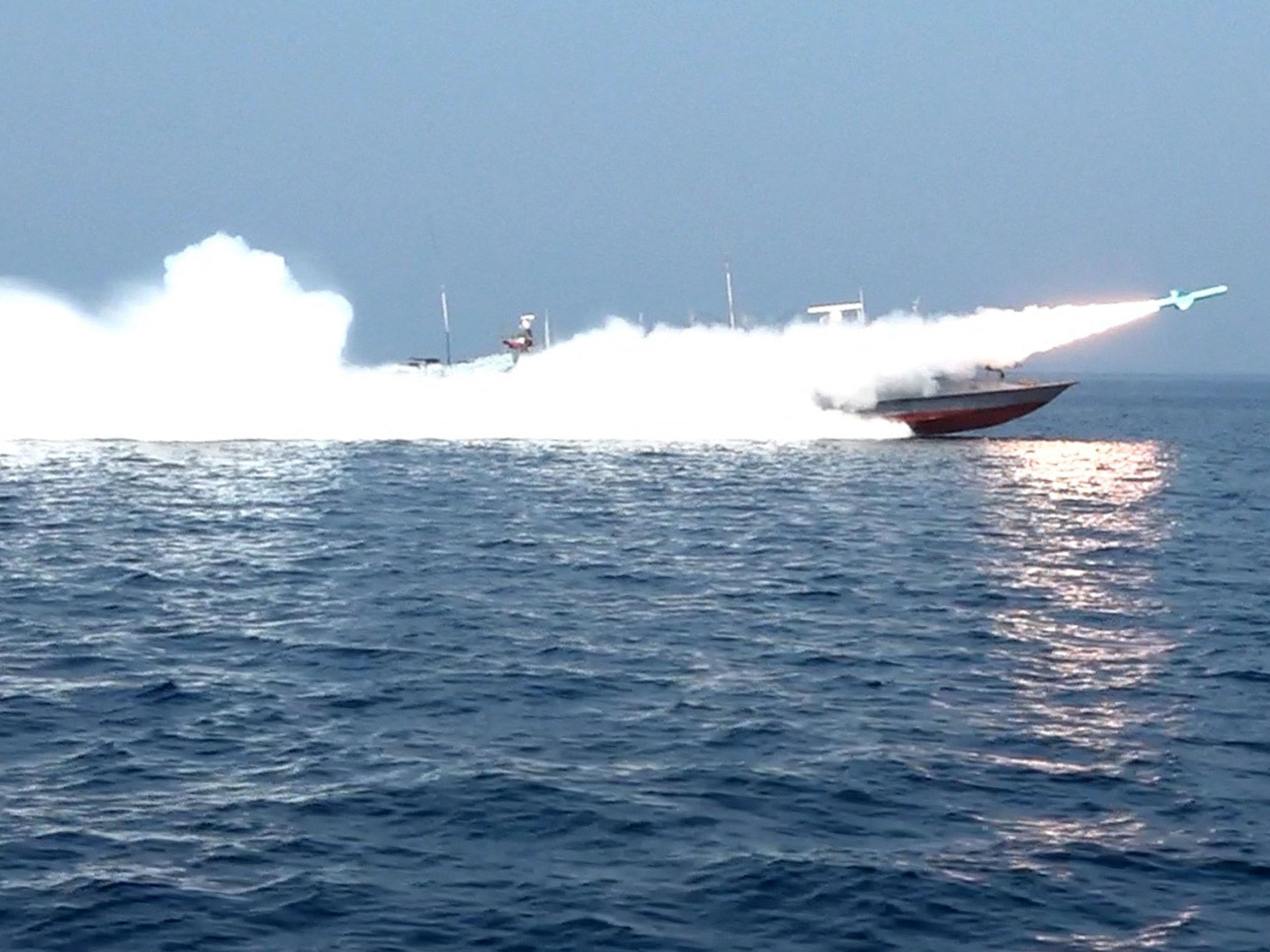
Tensions across the Middle East entered a critical phase following statements from former US President Donald Trump asserting that the United States continues to deliver severe economic and military blows to the Islamic Republic of Iran. The escalation represents a structured continuity of aggressive enforcement strategies designed to interdict Tehran's conventional defense capabilities and severely curtail its fiscal resources. The narrative underscored an evolving dynamic among international power brokers, notably highlighting Moscow's measured disengagement from providing substantive military shelter to Tehran despite bilateral diplomatic ties.
Over recent weeks, state-level frictions have manifested across key operational theatres, with maritime surveillance and asymmetric engagements challenging regional stabilization initiatives. The public assertion that international adversaries are isolating Iran diplomatically suggests a calculated shift in multilateral alignments. Tehran continues to navigate a multi-front regional crisis, relying heavily on non-state proxies across the Levant and Yemen, yet direct geopolitical backing from major global powers remains elusive as international scrutiny compounds strategic vulnerabilities.
Global Trade & Economic Ripples
The immediate consequence of renewed rhetoric and targeted enforcement has reverberated across global commodity desks and maritime corridors. Energy markets remain hypersensitive to operational security within the Persian Gulf, particularly the vital chokepoint of the Strait of Hormuz, through which roughly one-fifth of global petroleum flows. Benchmark crude indices, including Brent and West Texas Intermediate, have priced in a recurring geopolitical risk premium, complicating inflationary forecasts for central banks worldwide.
Beyond crude oil, maritime insurance underwriters have escalated war-risk premiums for merchant vessels navigating regional sea lanes, triggering an upward reassessment of freight rates for dry bulk and container shipping. Secondary sanction threats from Washington continue to stifle cross-border settlements, dissuading third-party intermediaries across Asia and Europe from processing Iranian-linked transactions. These structural disruptions are compelling major trading entities to seek alternative supply pathways, reshaping regional trade architecture and tightening global petrochemical supplies.
Related Intelligence: Iran Rejects German Assassination Plot Claims Amid Diplomatic Standstill
International Reactions & Diplomatic Stances
The international community remains acutely polarized regarding the unilateral intensification of measures against Tehran. Regional actors, particularly the Gulf Cooperation Council member states, maintain a precarious balance between deterrence and diplomatic de-escalation, wary of any retaliatory strikes on energy infrastructure within their sovereign jurisdictions. European capitals have reiterated calls for restraint, urging multilateral adherence to international maritime law while expressing ongoing concern over regional destabilization.
Moscow’s apparent passivity has drawn analytical scrutiny, with defense observers interpreting it as a calculated prioritization of its own strategic assets and international posture rather than an ideological endorsement of Western pressure. Multilateral organizations, including the United Nations, have warned that uninterrupted economic containment combined with kinetic strikes risks exacerbating domestic humanitarian conditions within Iran, further complicating diplomatic off-ramps.
Strategic Outlook & Future Scenarios
The strategic trajectory points toward sustained friction with a minimal likelihood of near-term diplomatic breakthrough. Market observers anticipate the formalization of expanded secondary sanctions packages targeting illicit ship-to-ship crude transfers in international waters. Concurrently, regional security postures will likely see higher deployment densities of naval and air assets to deter asymmetric maritime actions.
Future inflection points will hinge on upcoming international security summits and the enforcement mechanisms enacted by Western maritime coalitions. Should asymmetric retaliation disrupt commercial shipping or critical infrastructure, global energy supply chains could witness abrupt structural reallocations. Without institutional pathways for direct conflict deconfliction, the structural stand-off is poised to maintain elevated volatility across global commodity, currency, and maritime sectors through the coming quarters.
Join Our Official WhatsApp Channel
Receive live commodity alerts, policy changes, and commercial intelligence directly on WhatsApp.