
Iran Rejects German Assassination Plot Claims Amid Diplomatic Standstill
Iran has summoned Germany's ambassador to reject allegations of state involvement in a foiled assassination plot against Jewish leaders, exacerbating already fragile European-Iranian diplomatic and trade ties.
Geopolitical & Core Developments
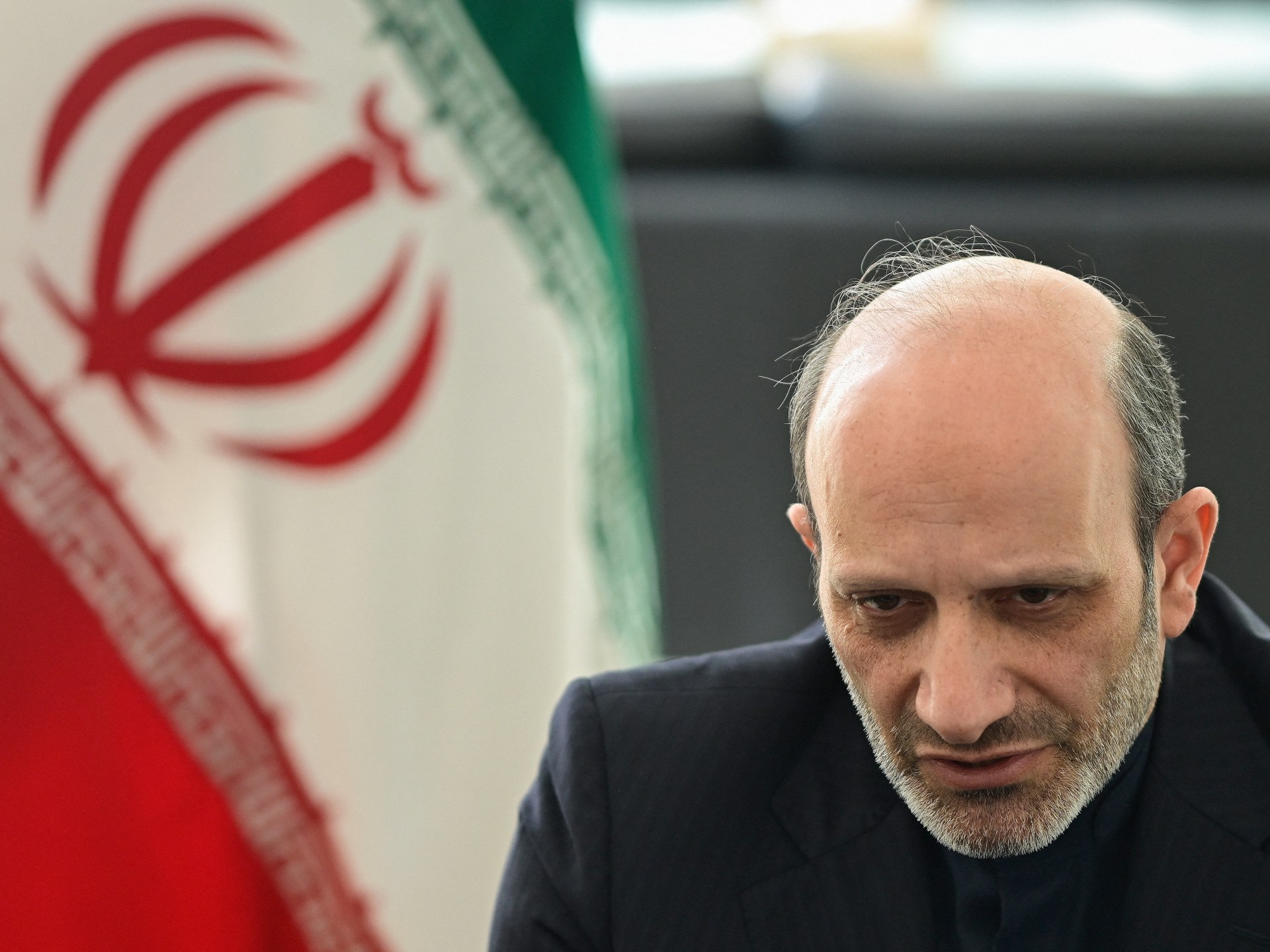
Diplomatic relations between Tehran and Berlin have entered a volatile new phase following Iran's formal rejection of involvement in a documented conspiracy to target prominent Jewish community leaders in Germany. The Iranian Ministry of Foreign Affairs summoned the German ambassador to lodge a formal protest after a regional court in Düsseldorf convicted two individuals for their roles in an orchestrated campaign involving planned lethal attacks and arson against synagogues and institutional leaders. German judicial authorities concluded that the perpetrators operated under the direction of networks linked to Iranian state intelligence, a charge Tehran categorically dismissed as politically motivated and unsubstantiated.
The diplomatic confrontation reflects years of deteriorating relations between Iran and the European Union's largest economy. Historical channels of bilateral dialogue, once maintained even during periods of broad transatlantic friction, have increasingly collapsed amid regional proxy conflicts, human rights disputes, and the unraveling of the Joint Comprehensive Plan of Action (JCPOA). German federal prosecutors maintain that state-directed espionage and covert operational planning on European soil have escalated, creating an acute internal security issue that directly intersects with broader Middle Eastern hostilities and ideological flashpoints.
Global Trade & Economic Ripples
While direct bilateral trade between Germany and Iran has contracted significantly following the reimposition of comprehensive United States secondary sanctions in 2018, the diplomatic fallout carries tangible commercial ramifications. German industrial machinery, specialized engineering goods, and pharmaceutical exports to the broader Middle East face elevated regulatory scrutiny as compliance frameworks tighten around financial counterparties suspected of dual-use or illicit capital flows.
The friction also exerts pressure on maritime security assessments throughout the Persian Gulf and the Bab el-Mandeb strait. Energy commodity traders consistently price in a geopolitical premium whenever direct friction between major European powers and Tehran intensifies. Persistent operational friction heightens war-risk insurance premiums for commercial tankers transiting the Strait of Hormuz, maintaining upward volatility across global benchmarks including Brent crude. Financial institutions operating within Frankfurt and European clearing centers are expected to implement still more stringent de-risking policies toward remaining humanitarian and agricultural trade corridors authorized under sanctions exemptions.
International Reactions & Diplomatic Stances
Official reaction from Berlin was swift and unequivocal, with the German Federal Foreign Office reiterating that national security and the protection of religious minorities remain non-negotiable sovereign priorities. German officials underscored that extraterritorial intelligence activities and intimidation plots against domestic entities constitute direct violations of international law and bilateral diplomatic protocols.
In Tehran, state spokespersons described the court rulings as part of a coordinated Western narrative aimed at isolating Iran diplomatically and shielding Israeli geopolitical agendas in Europe. Multilateral observers at the European Union level have already initiated preliminary discussions regarding coordinated diplomatic counters, which may include further designations under the EU's human rights and counterterrorism sanction regimes. Western allies, including the United Kingdom and the United States, signaled support for Germany's judicial findings, emphasizing shared intelligence coordination to counter transnational threats across continental Europe.
Strategic Outlook & Future Scenarios
The trajectory of Iran-Europe relations points toward sustained contraction, with diplomatic de-escalation appearing improbable in the near term. Analysts anticipate that Germany may push for a harder collective line within the European Council, potentially advocating for the formal listing of state-affiliated security bodies as terrorist organizations—a measure Berlin had previously approached with caution to preserve diplomatic leverage.
Moving forward, upcoming sessions of the United Nations General Assembly and high-level EU foreign affairs summits will likely serve as platforms for intensified multilateral pressure on Tehran. Should reciprocal expulsions of diplomatic staff follow, the already fragile framework for nuclear non-proliferation monitoring and maritime security coordination will face further paralysis, exacerbating market uncertainty across Eurasian energy transport routes and global shipping logistics.
Join Our Official WhatsApp Channel
Receive live commodity alerts, policy changes, and commercial intelligence directly on WhatsApp.