
Morocco Political Milestone Tests Balance Between Reform, Palace, and Religious Clerics
Morocco's political leadership faces a high-stakes balancing act between royal oversight, conservative clerical resistance, and secular demands over sweeping legal and civil rights reforms.
Geopolitical & Core Developments
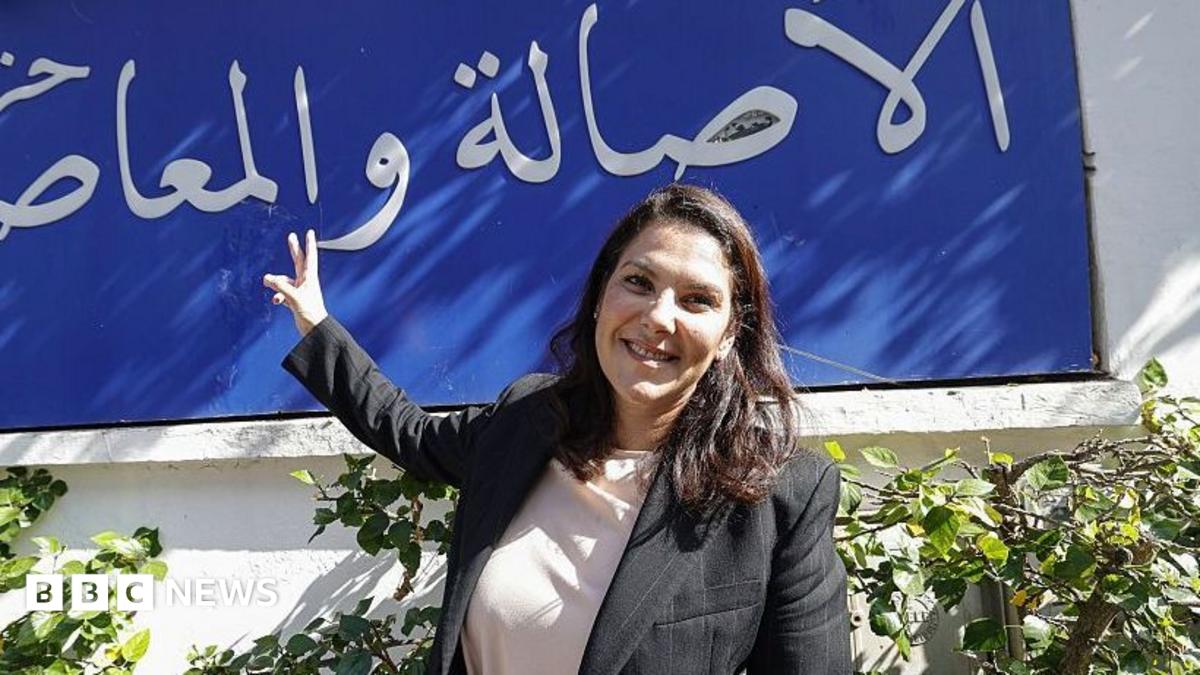
The ascent of Fatima El Mansouri within Morocco's political architecture represents a pivotal juncture in North African governance. Situated between the ultimate constitutional authority of King Mohammed VI, a resilient conservative religious clerical establishment, and an increasingly vocal secular civil society, Morocco's executive branch is tasked with navigating profound socio-legal transformations. At the core of current national tensions is the protracted overhaul of the Moudawana, the national personal status and family code that governs marriage, divorce, custody, and inheritance rights.
Historically, legal reform in Morocco has advanced through calibrated royal decrees rather than unfettered legislative action. King Mohammed VI, holding the dual mandate of head of state and Amir al-Mu'minin (Commander of the Faithful), exercises absolute arbitral authority over matters touching Islamic jurisprudence. Feminist coalitions, backed by secular liberal factions, argue that the 2004 reforms have grown obsolete in the face of modern economic realities, demanding equal inheritance rights and the outright criminalization of underage marriage. Conversely, religious institutions and Islamist political blocs view these proposed measures as external Western impositions that threaten core constitutional identity and traditional Sharia interpretations. The political leadership must now manage this delicate equilibrium without alienating the monarchy's conservative base or fracturing modernizing civic alliances.
Global Trade & Economic Ripples
While structural legal reforms appear domestic, their successful implementation has immediate ramifications for Morocco's economic stature and international commercial integration. Rabat has aggressively positioned the kingdom as an indispensable industrial bridge between Europe and Africa, securing massive foreign direct investments in automotive manufacturing, aeronautics, green hydrogen, and phosphate-derived fertilizer markets. Labor modernization is fundamental to sustaining this growth trajectory, as Morocco's low female workforce participation rate remains a primary structural bottleneck limiting gross domestic product expansion.
Institutional stability is equally critical for international trade and shipping corridors. Controlling access to the Strait of Gibraltar via the Tanger Med port complex, Morocco is an essential maritime hub for global container traffic. Furthermore, the kingdom commands over 70 percent of global phosphate reserves, making domestic socio-political predictability directly tied to global agricultural fertilizer supply chains. Any perception of governance paralysis or social volatility poses risks to institutional risk ratings, foreign sovereign bond spreads, and currency valuations pegged to the euro and US dollar basket.
Related Intelligence: Historic El Nino Intensifies Threatening Global Food Supply Chains and Trade
International Reactions & Diplomatic Stances
International observers have tracked Morocco's legal recalibrations with measured diplomacy. European Union institutions have commended Rabat's public commitments to gender equity and administrative modernization, aligning with the EU-Morocco Joint Declaration on shared values and economic integration. European diplomats emphasize that sustained social stability in Morocco remains paramount for Mediterranean border security, counter-terrorism cooperation, and managed migration protocols.
Conversely, traditional regional bodies and religious scholars across North Africa and the Middle East caution against radical deviations from recognized Maliki jurisprudence, warning that aggressive secularization could provoke conservative backlash. Human rights organizations, including Amnesty International and local rights monitoring networks, have urged the Moroccan executive to take definitive statutory stances on universal human rights, arguing that political compromises should not water down fundamental protections against gender-based legal inequities.
Strategic Outlook & Future Scenarios
The trajectory of Moroccan governance over the next twenty-four months hinges on the palace's final arbitration of the revised Moudawana draft. The kingdom's political leadership is expected to champion an incrementalist compromise, expanding judicial discretion in family disputes and curtailing legal loopholes around early marriage, while likely deferring contentious issues such as equal inheritance to gradualist theological discourse.
Should the executive achieve this modernization agenda without triggering widespread civil polarization, Morocco will cement its role as a premier stable frontier market and diplomatic partner for the Global North. However, if clerical resistance hardens into sustained parliamentary or street-level opposition, the administration will face acute pressures that could delay economic modernization targets ahead of major upcoming multilateral engagements and co-hosting commitments for the 2030 FIFA World Cup.
Join Our Official WhatsApp Channel
Receive live commodity alerts, policy changes, and commercial intelligence directly on WhatsApp.