
Government Seeks Fresh Talks With Jamaat-e-Islami Over Petroleum Levy
The federal government has initiated direct outreach to Jamaat-e-Islami leadership, aiming to renegotiate terms over petroleum levies and energy tariffs before the party launches its third phase of nationwide protests.
The Core Development
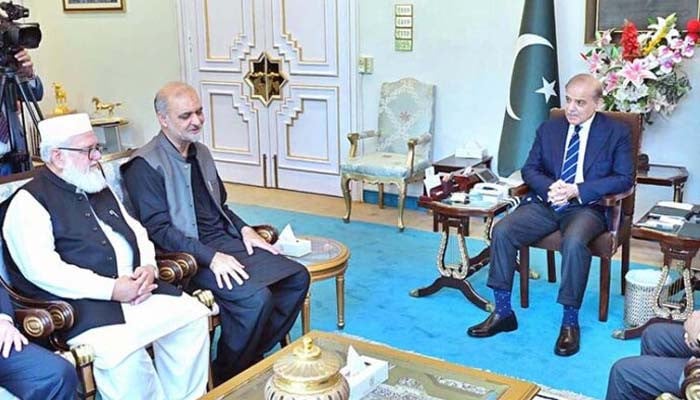
In an effort to prevent escalating civil unrest and widespread trade disruptions, the federal government has initiated formal outreach to Jamaat-e-Islami (JI) leadership to resume bilateral negotiations. The move comes ahead of the third phase of JI's planned nationwide agitation campaign, which protests surging energy tariffs, heavy direct and indirect taxation, and historically high petroleum development levies.
Federal emissaries and ministerial delegations have reached out to key JI figures, including party Emir Hafiz Naeem-ur-Rehman, proposing structured discussions in Lahore and Islamabad. The previous round of negotiations, which paused a prolonged sit-in on the Murree Road artery in Rawalpindi, culminated in an accord promising tangible relief on household electricity bills, a review of sovereign contracts signed with Independent Power Producers (IPPs), and fiscal recalibration of fuel surcharges. With the stipulated implementation deadlines lapsing, JI leadership warned of expanded commercial shutter-down strikes and highway blockades, prompting the federal administration to re-engage.
Commercial & Economic Implications
For Pakistan’s domestic commerce, retail networks, and logistics corridors, the impending friction carries immediate structural risks. The petroleum development levy—currently maintained near its statutory ceiling under the International Monetary Fund (IMF) Extended Fund Facility (EFF)—remains a primary driver of operational overhead for freight operators, intercity logistics firms, and wholesale distributors.
Sustained high fuel taxation directly translates into elevated transportation freight rates, compounding inflationary pressures across basic commodities, agricultural perishables, and manufactured retail stock. A breakdown in talks resulting in localized or nationwide shutter-down strikes threatens to disrupt inventory cycles for commercial markets in major urban centers such as Karachi, Lahore, Faisalabad, and Rawalpindi. Retailers operating on thin operating margins already report suppressed consumer footfall, and prolonged uncertainty poses systemic risks to domestic trade liquidity.
Related Intelligence: Government Slashes Petrol Price by Rs2.71, Raises Diesel Rate Marginally
Stakeholder Perspectives & Market Reactions
Traders' alliances and merchant associations have closely aligned their stances with the core economic demands presented by JI. The All Pakistan Anjuman-e-Tajiran and regional wholesale federations have reiterated that current electricity capacity payments and escalating tax burdens are unsustainable for small- and medium-sized enterprises (SMEs).
Conversely, financial analysts and fiscal authorities highlight the narrow policy corridor available to the government. Under commitments made to the IMF, non-tax revenue generated from the petroleum levy and full-cost recovery within the power sector are non-negotiable benchmarks required to maintain external financing stability. State economic managers argue that unilateral reductions in fuel levies or unbudgeted electricity subsidies could derail compliance reviews, jeopardize foreign currency inflows, and exacerbate macroeconomic instability. Legal experts note that renegotiating sovereign contracts with power producers requires delicate legal restructuring to avoid international arbitration.
Forward Outlook & Key Watchpoints
Moving forward, the outcome of the proposed dialogue hinges on whether the government can present an actionable framework that reconciles political appeasement with IMF-mandated fiscal consolidation. Key milestones to monitor include the official notification of committee findings on IPP contract audits, potential adjustments to petroleum price calculation mechanisms during upcoming fortnightly reviews, and formal policy announcements regarding retail tax incentives.
Should the consultative process fail to produce measurable outcomes, Jamaat-e-Islami has signaled an acceleration toward coordinated logistics blockades and commercial strikes across key trading hubs. The immediate focus remains on whether government representatives can deliver verifiable concessions on retail utility billing before the opposition mobilizes street power across key provincial economic corridors.
Join Our Official WhatsApp Channel
Receive live commodity alerts, policy changes, and commercial intelligence directly on WhatsApp.