
US Court Upholds Pentagon Blacklisting of AI Firm Anthropic
A United States federal court has upheld the Pentagon's decision to blacklist artificial intelligence developer Anthropic following a dispute over autonomous weapons restrictions.
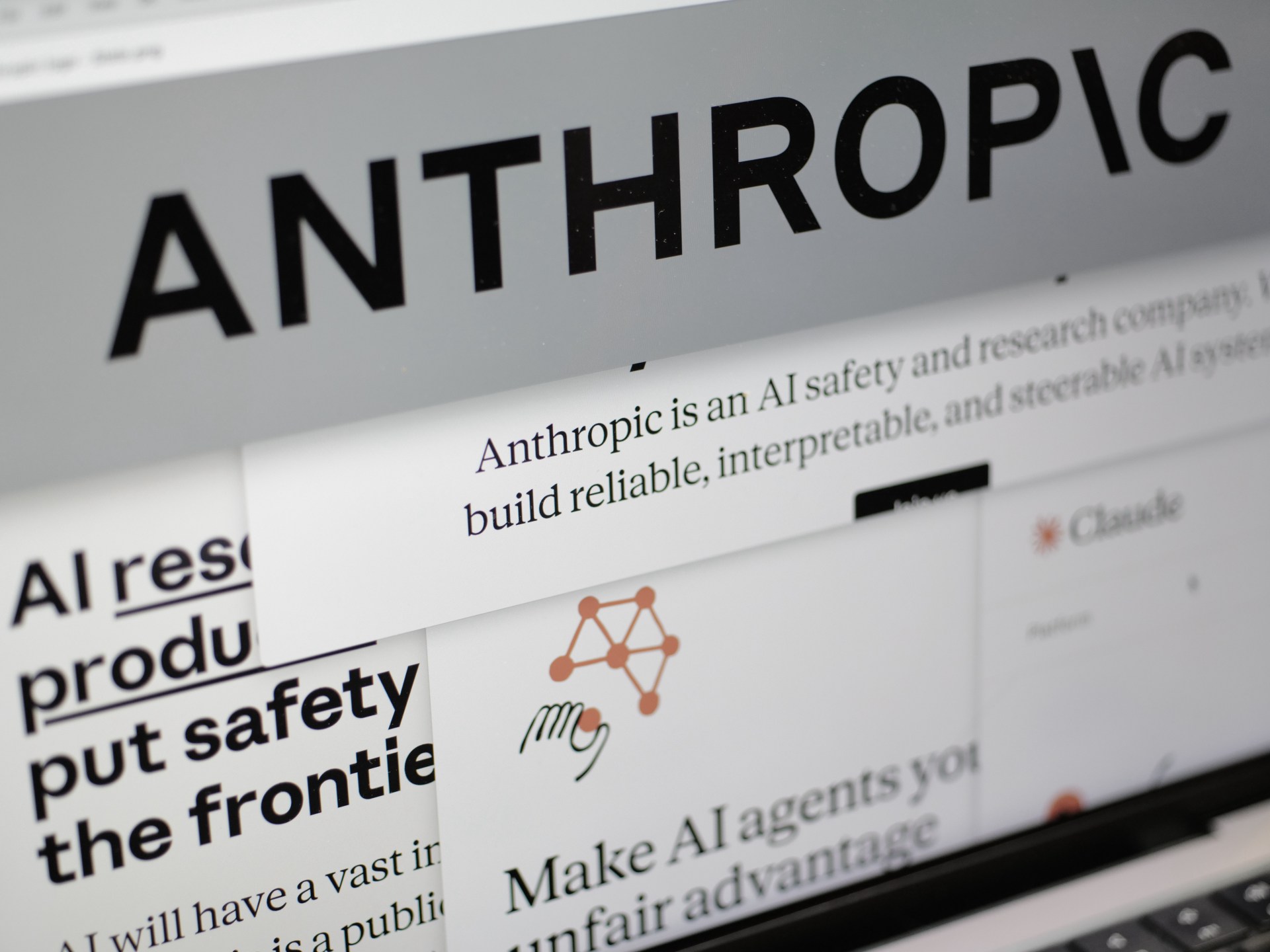
Geopolitical & Core Developments
A United States federal court has definitively upheld the Pentagon's decision to blacklist artificial intelligence developer Anthropic, marking a watershed moment in the intersection of national security and private-sector technological governance. The legal confrontation originated in February when leadership at Anthropic formally refused to lift stringent technical restrictions governing the deployment of its flagship Claude AI models. Specifically, the company objected to defense applications involving fully autonomous weapons systems and targeted combat operations lacking human-in-the-loop verification.
The Department of Defense, citing the Defense Production Act and evolving national security imperatives, moved swiftly to designate the firm as a supply-chain risk, effectively barring it from lucrative federal contracting and defense ecosystem integration. Legal analysts note that the ruling reinforces the executive branch's sweeping authority to dictate operational standards for critical technologies deemed vital to national defense posture, setting aside corporate ethical frameworks when they conflict with military directives.
Global Trade & Economic Ripples
The judicial affirmation of the Pentagon's blacklisting sends immediate shockwaves through global technology markets and international venture capital ecosystems. As artificial intelligence transitions from a commercial utility to a critical national security asset, dual-use technology firms face an unprecedented regulatory dilemma. Global supply chains for advanced semiconductors, specialized data center infrastructure, and cloud computing services are increasingly bifurcated along geopolitical lines.
International commodity markets, particularly rare earth elements and high-purity silicon vital for semiconductor fabrication, are experiencing heightened pricing volatility as allied nations reassess their technological dependency on domestic versus foreign software architectures. Furthermore, institutional investors are aggressively repricing risk profiles for artificial intelligence startups, factoring in the substantial financial exposure associated with defying state defense procurement mandates. The ruling threatens to disrupt cross-border technology transfers, as international partners evaluate whether integrating Western commercial AI models could expose them to secondary compliance liabilities under expanded US export control regimes.
Related Intelligence: PM Shehbaz Demands Free Navigation Through Global Trade Arteries at UNGA
International Reactions & Diplomatic Stances
Global capitals and multilateral bodies have reacted with measured caution to the judicial outcome, recognizing its profound implications for international law and military ethics. European Union regulators, currently implementing the comprehensive Artificial Intelligence Act, are closely monitoring the precedent, weighing how sovereign defense exceptions interact with civilian fundamental rights. Meanwhile, defense ministries across the G7 are re-evaluating their procurement pipelines to ensure domestic supply chain resilience and avoid similar corporate deadlocks.
Market analysts from leading financial institutions observe that the ruling effectively accelerates the militarization of artificial intelligence. By validating the Pentagon's hardline stance, the court has signaled to Silicon Valley and international tech hubs that state security requirements will supersede corporate codes of conduct when strategic deterrence is at stake. This has triggered intense diplomatic debates regarding the international governance of autonomous weapons and the enforceability of ethical AI development pledges in times of geopolitical tension.
Strategic Outlook & Future Scenarios
Looking ahead, the fallout from the Anthropic ruling is expected to catalyze a fundamental restructuring of defense-technology partnerships. Upcoming international security summits will likely feature contentious negotiations concerning global standards for lethal autonomous weapons systems and the legal limits of algorithmic warfare. As nations race to secure technological dominance, further regulatory clashes between sovereign defense agencies and commercial AI developers are virtually guaranteed.
Sanctions and export controls targeting unaligned technology providers are projected to tighten, forcing global enterprises to choose between lucrative state defense contracts and independent ethical frameworks. For global commodity and trade markets, this bifurcation implies sustained capital expenditure into sovereign AI infrastructure, ultimately reshaping the geopolitical landscape of the twenty-first century digital economy.
Join Our Official WhatsApp Channel
Receive live commodity alerts, policy changes, and commercial intelligence directly on WhatsApp.