
Pakistan-Saudi Defense Pact Deepens Amid Regional Security Shifts
Makkah pact chiefs have strongly condemned recent attacks on Saudi Arabia, pledging enhanced military coordination and tighter security frameworks with profound implications for regional stability and bilateral trade corridors.
The Core Development
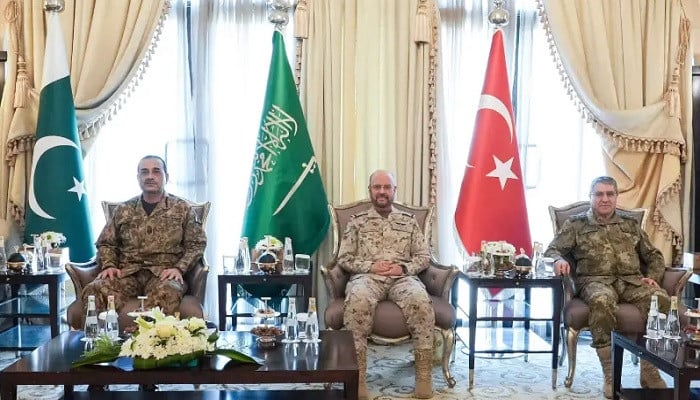
In a decisive geopolitical shift, the leadership associated with the Makkah pact convened to issue a stern, unified condemnation against a series of coordinated attacks targeting the Kingdom of Saudi Arabia. The high-level diplomatic and military engagement underscored an unyielding commitment to regional security architecture, focusing heavily on mutual defense assurances and strategic deterrence. Key actors from allied states, including senior defense officials and diplomatic envoys, reviewed intelligence sharing mechanisms and operational protocols during closed-door sessions in Riyadh and Makkah. The consultations established a concrete timeline for accelerated joint military exercises, enhanced radar and missile defense integration, and streamlined crisis response frameworks designed to neutralize asymmetric threats across the Arabian Peninsula and the broader Middle East.
Commercial & Economic Implications
For an import-reliant economy like Pakistan, geopolitical stability in the Gulf is inextricably linked to macroeconomic health, energy security, and commercial viability. Saudi Arabia remains a critical supplier of petroleum products, and any disruption to its critical infrastructure directly impacts global energy prices, domestic fuel costs, and transport logistics in South Asian markets. A reinforced security pact ensures uninterrupted crude oil supplies and stabilizes shipping lanes through the Red Sea and the Arabian Sea, directly shielding wholesale distribution networks, industrial manufacturing inputs, and retail markets from inflationary shocks. Furthermore, predictable energy pricing prevents cascading cost-of-living increases, protecting Pakistani consumers from volatile commodity swings and stabilizing the foreign exchange reserves required for debt servicing and import financing.
Related Intelligence: Pakistan, Saudi Arabia, and Turkey Convene for Strategic Defence Pact Talks
Stakeholder Perspectives & Market Reactions
Major industrial bodies, trade associations, and financial analysts in Karachi and Lahore have reacted positively to the deepening defense alignment, viewing it as a cornerstone for broader economic integration. Representatives from the Federation of Chambers of Commerce and Industry noted that enhanced state-to-state security cooperation fosters a secure environment for long-awaited foreign direct investment, particularly Saudi capital inflows into Pakistan's mining, agriculture, and energy sectors under the Special Investment Facilitation Council framework. Legal and strategic experts emphasize that robust military coordination acts as a powerful deterrent, reassuring institutional investors and credit rating agencies about the long-term stability of trade corridors connecting South Asia with the Middle East.
Forward Outlook & Key Watchpoints
As implementation phases of the strengthened pact roll out over the coming quarters, key stakeholders will monitor several critical milestones. Primary watchpoints include the finalization of joint defense production agreements, the scheduling of upcoming bilateral military drills, and the formalization of trade agreements tied to the new strategic framework. Policy enforcement mechanisms, intelligence-sharing protocols, and the expansion of financial safety nets will dictate the pace at which diplomatic goodwill translates into tangible economic dividends for businesses and consumers across Pakistan.
Join Our Official WhatsApp Channel
Receive live commodity alerts, policy changes, and commercial intelligence directly on WhatsApp.