
US Supreme Court Revives Controversial Data System for Citizenship Checks
The US Supreme Court has authorized the reactivation of a controversial data system designed to cross-reference sensitive citizenship records, sparking intense legal and political debate.
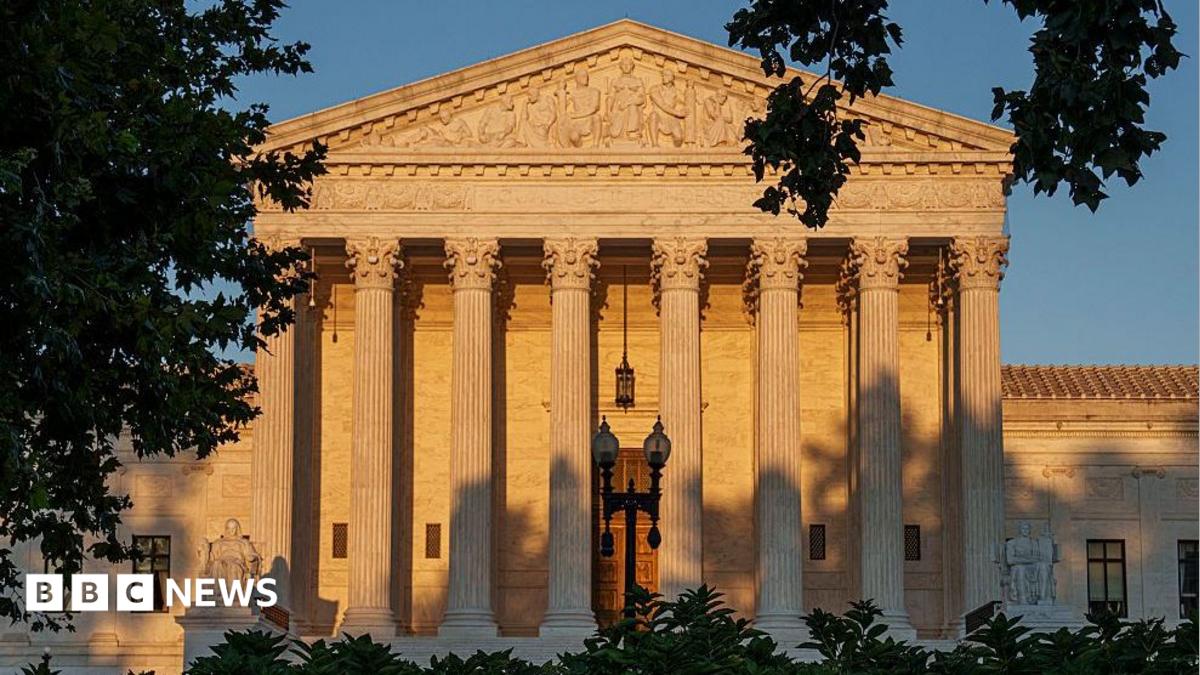
Geopolitical & Core Developments
The United States Supreme Court has issued a pivotal ruling allowing for the reactivation of a contentious data-matching system utilized primarily for citizenship and voter eligibility verifications. The system, which integrates multi-agency federal datasets with state-level registries, aims to systematically identify and flag individuals whose citizenship status may be subject to review. This legal milestone follows a protracted courtroom battle between civil rights advocacy groups and federal authorities over data privacy, algorithmic accuracy, and the constitutional parameters of administrative overreach. State actors and federal agencies have defended the platform as a necessary tool to maintain electoral integrity and streamline bureaucratic oversight. However, critics argue that the opaque nature of the database, combined with historical error rates in automated matching algorithms, creates severe risks of disenfranchisement and administrative chaos. The decision underscores a growing global tension between state-sponsored digital surveillance capabilities and individual privacy rights, setting a significant domestic precedent that will inevitably influence international debates on digital governance and state-managed databases.
Global Trade & Economic Ripples
While the primary jurisdiction of the Supreme Court ruling remains domestic, the decision carries subtle yet consequential ripple effects for multinational corporations, technology providers, and cross-border trade compliance. As governments worldwide increasingly rely on automated data-sharing systems for security, immigration, and regulatory enforcement, the legal validation of such platforms in the United States sets a powerful benchmark for digital administration. Technology firms specializing in identity verification, cloud storage, and governmental data analytics may experience heightened demand or, conversely, increased regulatory scrutiny regarding compliance standards and data protection protocols. Furthermore, international investors tracking political and regulatory stability in the United States view the intersection of data privacy and electoral administration as a key metric of institutional resilience. Any systemic disruptions or legal challenges arising from the implementation of this data system could introduce administrative friction, impacting foreign business confidence and highlighting the operational vulnerabilities inherent in large-scale government IT infrastructure.
Related Intelligence: Islamabad High Court Challenged Over Motorway Closures Amid Political Unrest
International Reactions & Diplomatic Stances
International observers, multilateral organizations, and foreign legal experts have closely monitored the proceedings, viewing the Supreme Court's action through the broader lens of global democratic norms and data rights. Human rights bodies and international privacy advocates have expressed concern that the normalization of expansive data-sharing frameworks for administrative vetting could embolden authoritarian or semi-authoritarian regimes to adopt similar, highly intrusive surveillance mechanisms under the guise of administrative efficiency. Conversely, trade partners and diplomatic allies note that domestic security and electoral management remain strictly within the sovereign purview of the United States. Nonetheless, foreign policy analysts suggest that the ongoing domestic polarization surrounding the database could complicate international dialogues regarding cross-border data flows, cybersecurity standards, and cooperative intelligence-sharing agreements between democratic nations.
Strategic Outlook & Future Scenarios
Looking ahead, the trajectory of the reinstated data system will depend heavily on implementation challenges, ongoing litigation in lower federal courts, and upcoming legislative battles. As state election boards begin integrating the system into their administrative workflows, civil liberties organizations are expected to file targeted injunctions challenging specific instances of algorithmic error or improper data usage. A potential scenario involves prolonged legal battles that could force federal regulators to establish more stringent transparency and auditing requirements for government databases. Alternatively, if the system operates without widespread catastrophic failures, it may accelerate the adoption of automated digital identity verification across other federal sectors, including immigration enforcement and social welfare administration. For international observers, the unfolding situation serves as a critical case study in the governance of big data, highlighting the fragile equilibrium between state security imperatives and constitutional liberties in the digital age.
Join Our Official WhatsApp Channel
Receive live commodity alerts, policy changes, and commercial intelligence directly on WhatsApp.