
US Supreme Court Upholds Contentious Voter Verification Framework
The US Supreme Court has permitted the implementation of a contentious voter verification system, raising severe concerns over democratic integrity and civil rights.
Geopolitical & Core Developments
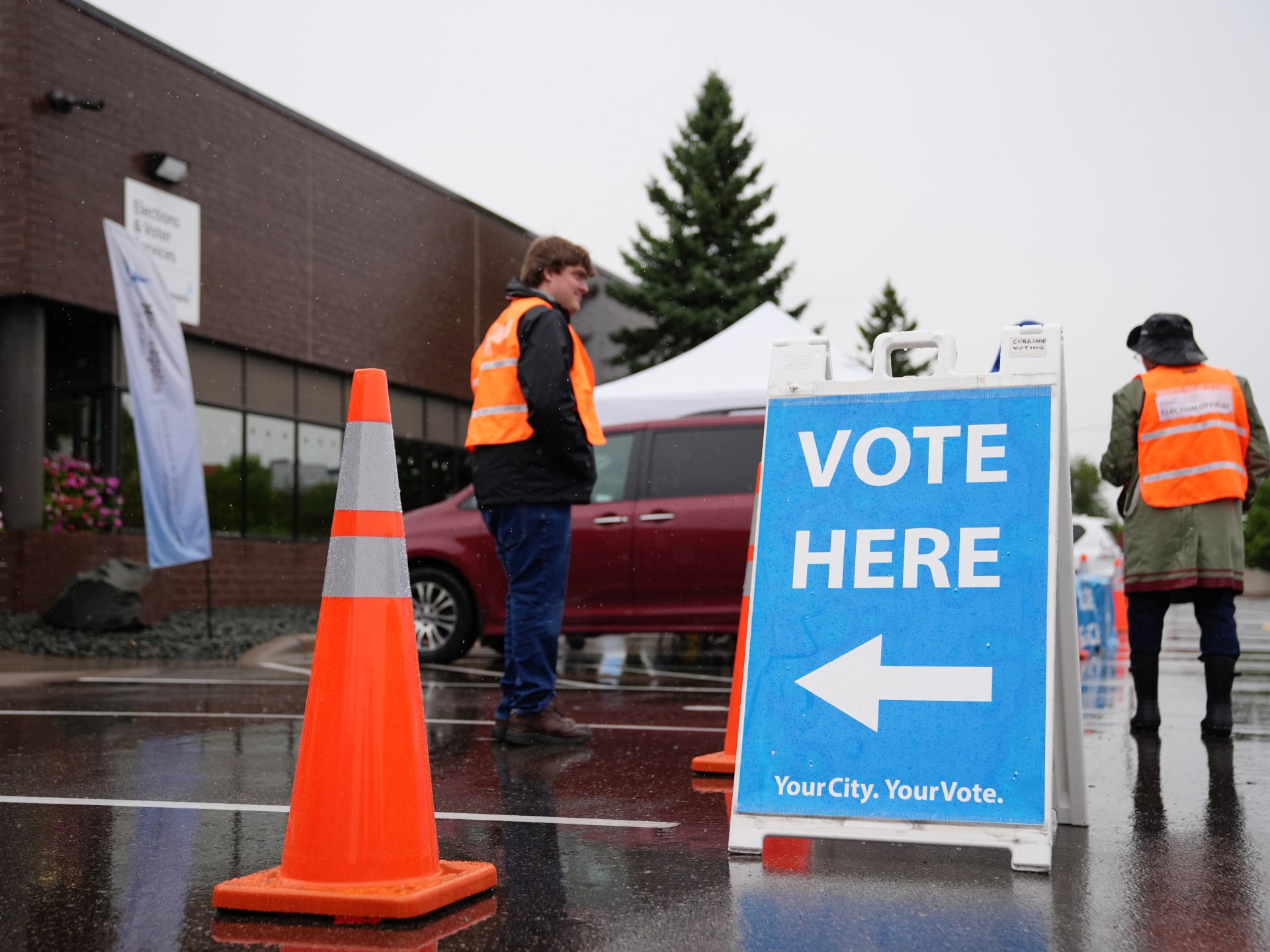
The United States Supreme Court has issued a pivotal ruling allowing the implementation of a controversial voter verification system championed by former President Donald Trump. This legal decision marks a critical turning point in ongoing domestic battles over electoral integrity, pitting federal oversight against state-level administration. The system, designed to scrutinize voter rolls for non-citizen registrations, has drawn intense scrutiny from legal scholars and civil rights advocates who argue that the methodology lacks sufficient accuracy safeguards. State actors and political operatives aligned with Trump have lauded the decision as a necessary step to secure the ballot box, whereas democratic institutions and voting rights coalitions view the ruling as an aggressive maneuver that could alter the landscape of upcoming elections.
Historically, electoral administration in the United States has remained decentralized, relying on state and county authorities to manage voter rolls. However, the introduction of automated verification systems introduces complex variables into the democratic process. Critics point out that matching state databases with federal immigration records often yields high error rates due to delayed data updates and shared naming conventions among citizens and lawful residents. As the legal framework tightens around voter access, the friction between security measures and universal suffrage intensifies, creating a volatile political climate that reverberates far beyond domestic borders.
Global Trade & Economic Ripples
While electoral mechanisms are primarily domestic administrative concerns, global commodity markets and international investors closely monitor political stability in the United States as a primary barometer for systemic risk. Currency values, particularly the US dollar, and Treasury yields are sensitive to shifts in domestic political cohesion. Prolonged legal and social disputes regarding democratic legitimacy can introduce volatility into global financial markets, affecting investor sentiment across equities, debt instruments, and commodities. Multinational corporations operating within the US market assess these regulatory and political shifts to gauge potential impacts on long-term corporate governance, labor stability, and fiscal policy.
Furthermore, uncertainty surrounding the leadership trajectory of the world's largest economy influences international trade negotiations and multilateral economic pacts. Foreign investors and sovereign wealth funds evaluate domestic political friction when determining capital allocation strategies. Any perceived erosion of institutional checks and balances can prompt a reassessment of risk premiums attached to dollar-denominated assets. Consequently, shifts in domestic electoral policies carry indirect yet potent consequences for international trade flows, global liquidity, and cross-border commercial partnerships.
Related Intelligence: US Supreme Court Revives Controversial Data System for Citizenship Checks
International Reactions & Diplomatic Stances
International observers, including multilateral bodies and foreign diplomatic missions, have monitored the legal proceedings with cautious discretion, mindful of diplomatic protocols regarding internal affairs. However, organizations dedicated to human rights and democratic oversight, such as various international election monitoring bodies, have expressed growing apprehension regarding the trend toward restrictive voting architectures in established democracies. European allies and democratic partners frequently evaluate the health of American democratic institutions as a benchmark for global governance standards.
Market analysts and geopolitical risk consultancies have incorporated these domestic legal battles into their broader assessments of political risk within advanced industrial economies. Foreign ministries in major trading partner nations are currently analyzing how potential shifts in the American political landscape could influence future foreign policy stances, international agreements, and global regulatory harmonization. The divergence between national security justifications for electoral reforms and international human rights expectations remains a delicate diplomatic tightrope.
Strategic Outlook & Future Scenarios
Looking ahead, the implementation of this controversial verification system is expected to generate sustained legal challenges and localized administrative gridlock as jurisdictions scramble to comply with judicial mandates ahead of major electoral cycles. Civil rights organizations have signaled plans to pursue targeted injunctions against specific state implementations that demonstrate discriminatory impacts or disproportionate disenfranchisement rates. These ongoing legal battles will likely consume substantial administrative resources and dominate the national political discourse.
For international markets and foreign policymakers, the trajectory of American electoral policy underscores the broader theme of democratic resilience in an era of intense political polarization. Future summits and bilateral trade discussions may increasingly factor in political stability metrics as structural components of economic cooperation. As the United States navigates these complex domestic transformations, global stakeholders will continue to monitor how judicial rulings shape the balance between electoral security and universal political participation.
Join Our Official WhatsApp Channel
Receive live commodity alerts, policy changes, and commercial intelligence directly on WhatsApp.