
Africa UN Security Council Push Stalls Amid Geopolitical Gridlock
Africa's push for permanent UN Security Council seats remains deadlocked, threatening broader geopolitical stability and resource governance across global commodity markets.
Geopolitical & Core Developments
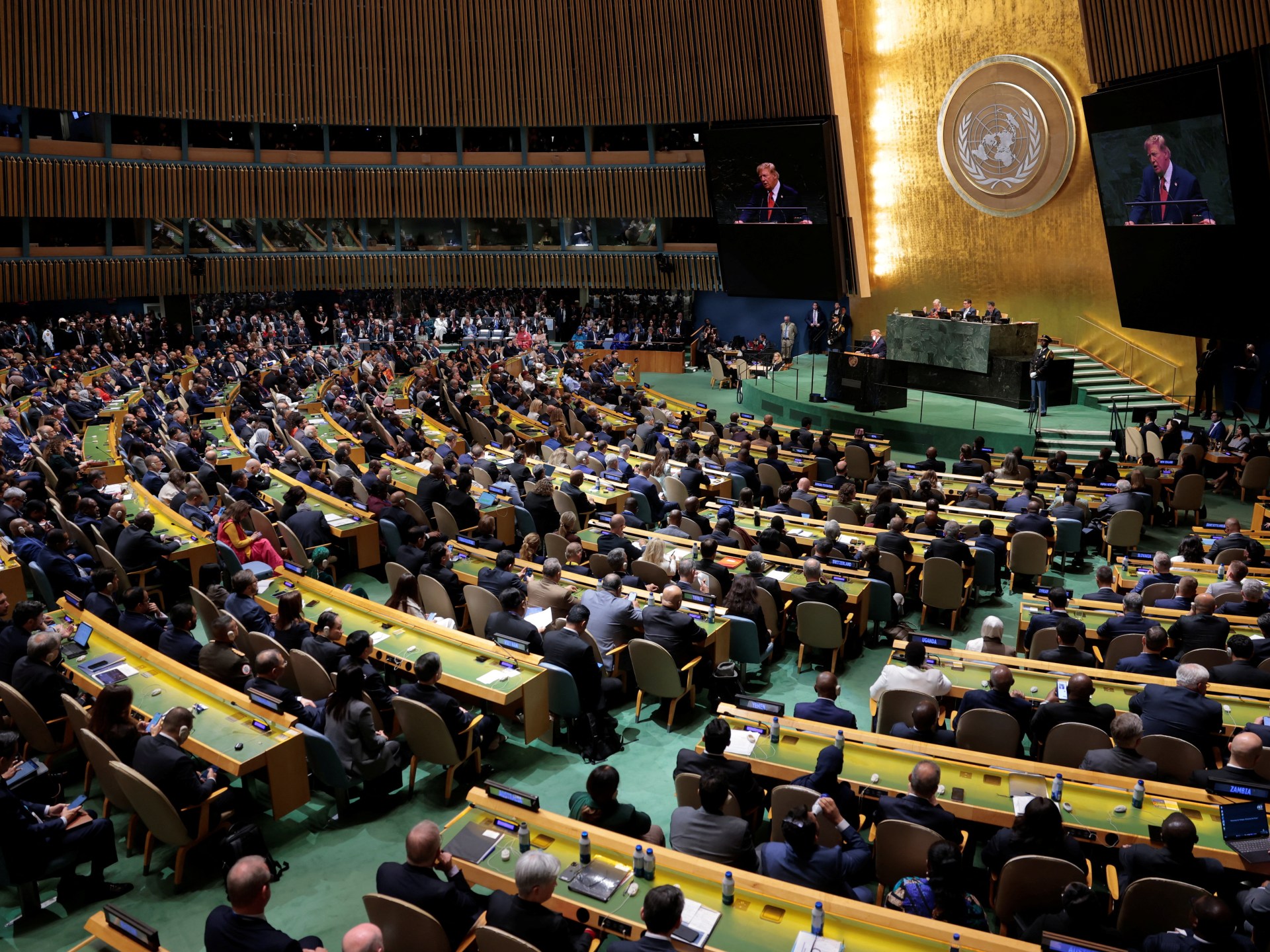
The ongoing debate surrounding the structural reform of the United Nations Security Council has once again exposed deep-seated divisions within multilateral diplomacy. African member states, anchored by the Ezulwini Consensus, continue to demand at least two permanent seats with full veto power, alongside additional non-permanent representation. Despite decades of diplomatic lobbying, the initiative remains stalled as the international community grapples with competing national interests and an outdated post-World War II power architecture. State actors across the African continent argue that current arrangements disenfranchise 1.4 billion people, rendering the primary global security body increasingly illegitimate. Diplomatic friction has intensified during recent General Assembly sessions, where consensus on reform criteria—specifically regarding who holds the veto power—remains elusive among current permanent members, known as the P5.
Global Trade & Economic Ripples
While framed primarily as a diplomatic and governance issue, the paralysis of UN reform carries profound implications for global trade, energy markets, and international investment flows. Emerging markets and developing economies increasingly view institutional stagnation as a symptom of unequal global economic governance. This sentiment directly influences sovereign risk assessments, international trade pacts, and the security of critical supply chains, particularly concerning strategic minerals, energy exports, and agricultural commodities originating from the African continent. Sovereign wealth funds and multinational corporations monitoring these developments factor institutional volatility into long-term capital allocation strategies. Furthermore, perceptions of systemic marginalization can complicate multilateral trade negotiations, impacting everything from maritime shipping lane security in the Red Sea and Gulf of Guinea to cross-border infrastructure financing.
Related Intelligence: Yemeni Leadership Offers Houthi Defectors Amnesty Amid Red Sea Strategic Shifts
International Reactions & Diplomatic Stances
Official responses from multilateral bodies and key global capitals reflect a delicate balancing act between diplomatic rhetoric and strategic self-preservation. While the UN leadership frequently acknowledges the moral imperative of reforming the Security Council to reflect contemporary geopolitical realities, concrete proposals face intense resistance. Major powers express rhetorical support for increased African representation but routinely object to the extension of veto power, arguing it would further paralyze an already deadlocked institution. Regional bodies, including the African Union, maintain that half-measures are unacceptable, insisting that any reformed council without veto privileges would perpetuate second-tier status for African nations. Market analysts and geopolitical risk consultants suggest that western nations must navigate these diplomatic sensitivities carefully to prevent accelerated alignment between African economies and alternative multilateral platforms such as the expanded BRICS bloc.
Strategic Outlook & Future Scenarios
Looking ahead, the trajectory of UN Security Council reform will likely remain a central flashpoint in international relations, with upcoming international summits serving as critical barometers for diplomatic progress. Failure to address structural imbalances risks accelerating the fragmentation of the global governance architecture, as developing nations increasingly turn to alternative economic and security frameworks. In the medium term, investors and commodity traders must prepare for heightened geopolitical friction and potential volatility in resource-rich jurisdictions. If traditional western powers continue to stall comprehensive reform, alternative multilateral institutions championed by emerging economies could gain further momentum, fundamentally altering the landscape of international diplomacy, trade compliance, and global commodity pricing mechanisms.
Join Our Official WhatsApp Channel
Receive live commodity alerts, policy changes, and commercial intelligence directly on WhatsApp.