
US Congressional Candidate Freed Following Detention in West Bank Olive Harvest
US congressional candidate Brad Lander was released following detention by Israeli forces in the occupied West Bank, drawing renewed international scrutiny to escalating regional tensions and agricultural disruptions.
Geopolitical & Core Developments
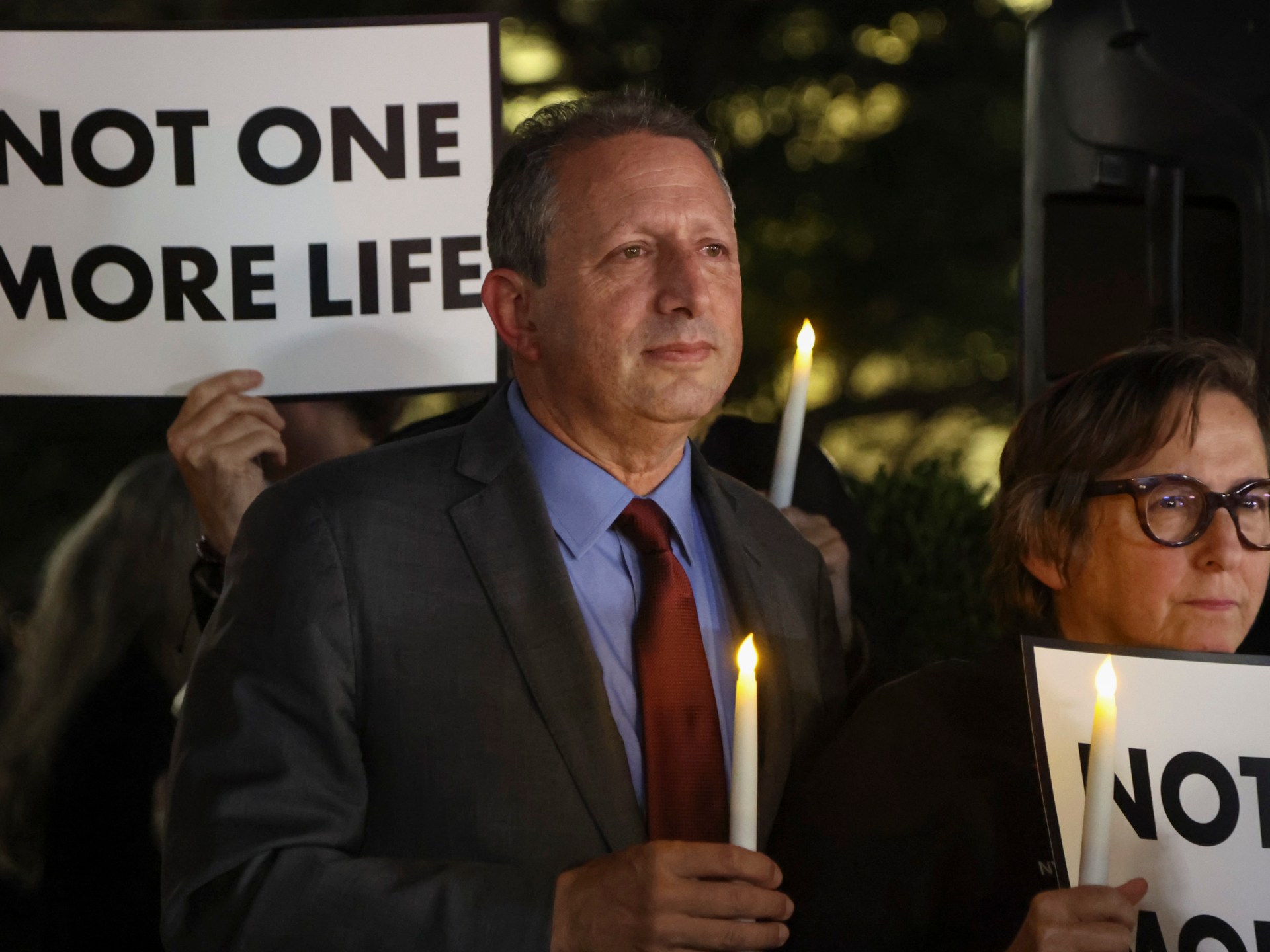
The brief detention and subsequent release of New York City Comptroller and prospective US congressional candidate Brad Lander by Israeli security forces in the occupied West Bank has heightened diplomatic friction across the transatlantic axis. Lander, who was participating in an international delegation assisting Palestinian farmers during the critical annual olive harvest, was intercepted alongside a broader contingent of civil society observers and local agricultural laborers. While Lander was processed and released within hours, reports confirmed that dozens of Palestinian participants and non-government monitors remain in official custody.
The annual olive harvest serves as both an economic lifeline and a pivotal flashpoint in the West Bank. Over recent months, the convergence of heightened military oversight, local settler expansionism, and broader hostilities across the Levant has severely curtailed civilian access to traditional farmlands. The involvement of a prominent American municipal official underscores the growing international dimension of these domestic territorial friction points. Observers note that Lander's presence reflects broader shifts within factions of the US political establishment, where scrutiny over territorial administration and bilateral defense commitments has increasingly entered mainstream policy debate.
Global Trade & Economic Ripples
While localized agricultural operations might seem peripheral to overarching macroeconomics, the structural disruption of Palestinian agricultural logistics feeds into broader regional commercial uncertainties. The West Bank olive oil industry constitutes a vital share of Palestinian export earnings and rural employment, directly sustaining over 100,000 households. Prolonged denial of access to agricultural tracts threatens to compress regional output, intensifying food insecurity and inflating cross-border humanitarian overhead funded by international donors.
From a wider market perspective, recurring incidents involving foreign nationals in contested zones maintain the broader risk premium embedded in Middle Eastern commerce. Shipping underwriters, regional logistics operators, and energy markets continue to price in latent instability throughout the Levantine corridor. Although crude benchmarks showed minimal immediate volatility following the incident, sustained friction throughout the West Bank raises concerns regarding peripheral spillover into adjacent supply chains, trade corridors, and regional sovereign credit outlooks.
Related Intelligence: West Bank Settler Encroachment Intensifies Risks for Regional Stability
International Reactions & Diplomatic Stances
Lander’s temporary detention provoked immediate reactions from both domestic and foreign stakeholders. Speaking shortly after his release, Lander emphasized the plight of the scores of individuals who remain detained without formal charges, urging international observers to focus on the systematic denial of agricultural access rather than his individual case. Human rights organizations and agricultural advocacy groups issued joint statements demanding the immediate release of remaining farmhands, citing protections guaranteed under international humanitarian law.
In Washington, the development placed administrative officials under renewed pressure to articulate clear policies concerning the protection of American citizens abroad and the adherence of allied security apparatuses to conventional diplomatic norms. The United Nations Special Coordinator for the Middle East Peace Process reiterated calls for de-escalation, noting that the seasonal olive harvest must be shielded from military operations and civil violence. In contrast, Israeli military representatives defended the detentions as standard perimeter enforcement in designated closed military zones.
Strategic Outlook & Future Scenarios
The operational trajectory points toward intensified friction as the harvest season peaks. Diplomatic pressure on Western capitals will likely force sharper reviews of logistical assistance and regional policy alignments. Should legal proceedings against the remaining detainees drag on, legislative bodies in the United States and the European Union could face increased calls to tie regional development funding to verifiable access rights for civilian agricultural producers.
Furthermore, the event sets a precedent for how international activist interventions will be handled amid volatile regional conditions. If local authorities adopt increasingly stringent detention policies toward foreign dignitaries and civil observers, international engagement may face operational stagnation, ultimately deepening the economic isolation of vulnerable territories and compounding regional market fragility.
Join Our Official WhatsApp Channel
Receive live commodity alerts, policy changes, and commercial intelligence directly on WhatsApp.