
Nigeria Detects Bundibugyo Ebola Strain as Trade Corridors Face Scrutiny
Nigeria has confirmed its first case of the Bundibugyo Ebola strain in a diplomat traveling from Uganda, triggering health protocols and heightening scrutiny over international supply lines.
The Core Development
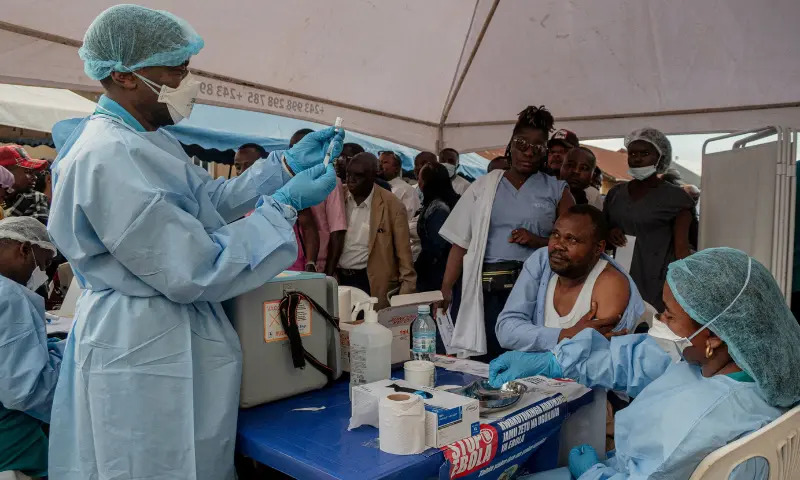
Public health authorities in Africa's most populous nation have officially confirmed the detection of the Bundibugyo Ebola virus strain in Abuja. The Nigeria Centre for Disease Control and Prevention disclosed during an emergency briefing that the index patient is a foreign diplomat who arrived from Uganda on October 3. The confirmation marks a significant geographic expansion of the pathogen, which has caused substantial morbidity in the Democratic Republic of Congo since mid-May before crossing contiguous borders into East Africa.
The Bundibugyo strain represents one of the less common but highly virulent variants of the ebolavirus genus, presenting unique diagnostic and clinical management challenges. Given Nigeria's critical role as West Africa's primary economic and transit hub, Federal Ministry of Health officials have activated rapid-response contact tracing mechanisms, quarantined airport terminal zones, and placed high-density transit corridors under immediate medical surveillance. The cross-border movement of an official carrying diplomatic status highlights critical vulnerabilities in international port-of-entry health screening protocols.
Commercial & Economic Implications
While the direct epicentre remains in West Africa, the commercial ramifications ripple across global trade routes, directly influencing trade corridors connecting Pakistan to African markets. Bilateral trade between Pakistan and Nigeria, valued at hundreds of millions of dollars annually, relies heavily on maritime freight and regional air cargo hubs. The implementation of stringent quarantine requirements at Nigerian maritime hubs, such as the ports of Lagos and Port Harcourt, threatens to stretch dwell times for general cargo and container shipments.
For Pakistani traders, disruptions to West African logistics bear immediate cost implications. Pakistan imports substantial volumes of crude petroleum, liquefied gas, raw agricultural produce, and specialised raw materials from the African continent while exporting textiles, pharmaceuticals, and rice. Heightened sanitary and phytosanitary controls frequently precipitate demurrage charges, prolonged vessel turnaround schedules, and increased insurance premiums for maritime freight traversing the Atlantic and Indian Ocean corridors. Importers and wholesalers in Karachi and Lahore face potential margin compression should maritime liners institute emergency biosafety surcharges on shipments bound to and from African transit points.
Related Intelligence: Fatal Rajanpur Highway Crash Spotlights Pakistan Freight and Transit Vulnerabilities
Stakeholder Perspectives & Market Reactions
International public health bodies and logistics syndicates have urged measured policy responses to avoid unnecessary trade friction. The World Health Organization has historically cautioned against blanket travel and commercial embargoes, advocating instead for targeted contact tracing and risk-based screening. However, commercial freight operators have already moved toward defensive protocols, demanding clear operational guidance from the Nigerian Ports Authority and civil aviation authorities.
In Pakistan, business associations and export promotion councils have expressed concern regarding potential non-tariff barriers. The Federation of Pakistan Chambers of Commerce and Industry and major commercial trading houses are closely tracking port clearance developments. Commercial exporters note that pharmaceutical supplies and finished goods earmarked for African distribution channels could face inventory backlogs if regional cross-border truck movement within the Economic Community of West African States slows under tightened health mandates.
Forward Outlook & Key Watchpoints
The trajectory of the outbreak over the next two to four weeks will dictate whether the incident remains an isolated containment success or escalates into broader regional trade containment. Key watchpoints include whether secondary local transmissions emerge within Abuja and whether neighbouring West African nations enforce unilateral transit restrictions.
For Pakistani market participants, immediate monitoring must focus on international maritime carrier notices regarding West African freight adjustments and port turnarounds. Furthermore, Pakistan's Ministry of National Health Services and border health directorates will likely review incoming manifests from transit hubs in the Middle East and Africa. Enterprises operating in high-volume import-export segments must prepare alternative supply chain contingency plans and factor longer transit buffers into commercial contracts to hedge against potential containment delays.
Join Our Official WhatsApp Channel
Receive live commodity alerts, policy changes, and commercial intelligence directly on WhatsApp.