
UK Air Traffic Control Failures Ignite Global Aviation and Supply Chain Crisis
Repeated UK air traffic control glitches have triggered severe international flight disruptions, drawing sharp criticism from major carriers and exposing deep vulnerabilities in European aviation infrastructure.
Geopolitical & Core Developments
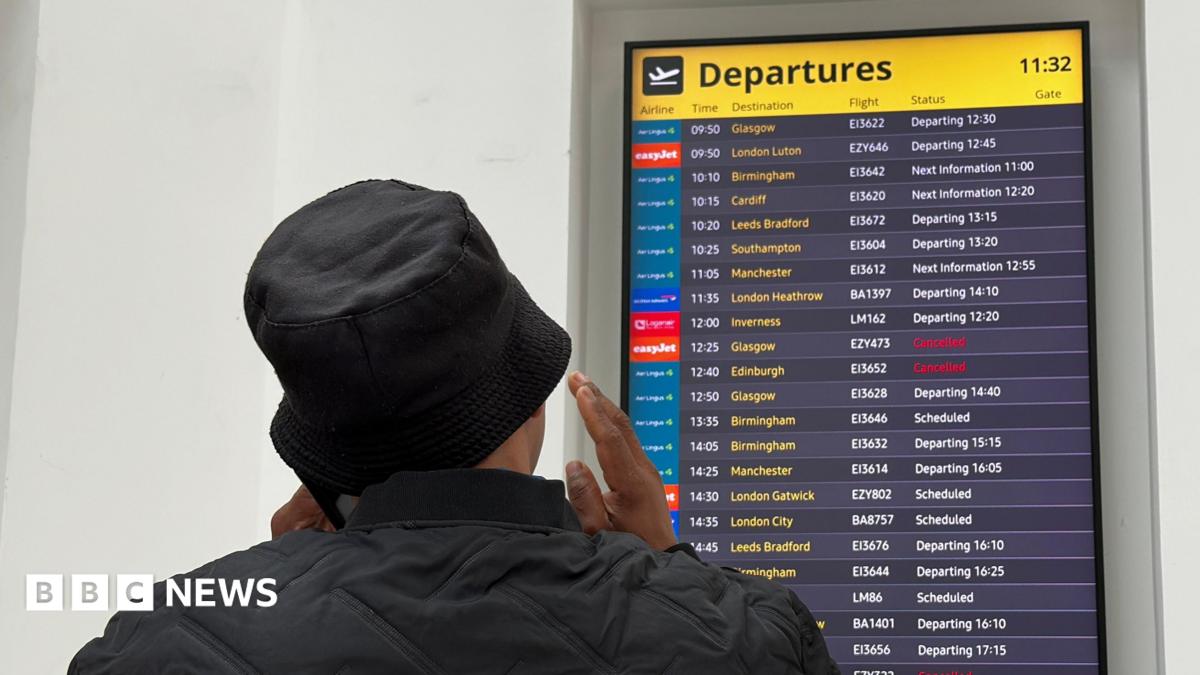
A succession of technological failures within the United Kingdom's air traffic control infrastructure has plunged European skies into disarray, forcing aviation authorities to confront systemic vulnerabilities of global significance. The most recent technical malfunction, occurring during peak operational hours, paralyzed airspace management systems and resulted in widespread ground stops, thousands of delayed flights, and cascading cancellations across major international hubs. State actors and civil aviation authorities are facing mounting pressure to explain how critical national infrastructure suffered catastrophic software instability for the second time within a compressed timeframe.
The incident has transcended domestic inconvenience, transforming into a prominent international governance issue. European Union aviation bodies, alongside international airline associations, have launched independent inquiries into the operational resilience of NATS, the UK's leading air navigation service provider. The timeline of the disruption reveals deep-seated fragilities in legacy automated flight management systems that struggle to handle escalating post-pandemic air traffic volumes while simultaneously attempting technological modernizations. Strategic stakes are exceptionally high, as European airspace functions as a primary nexus for transatlantic and intra-continental transit, making system-wide reliability a cornerstone of Western economic and logistical stability.
Global Trade & Economic Ripples
The airspace shutdowns and rolling delays carry immediate, compounding consequences for international trade, time-sensitive logistics, and the broader global economy. Modern commercial aviation operates on hyper-optimized, just-in-time schedules where a single disruption in airspace routing triggers a domino effect across international supply chains. Major cargo carriers, express courier services, and global manufacturers relying on belly-hold cargo capacity experienced severe bottlenecks as aircraft were displaced thousands of miles away from their scheduled rotation.
While direct energy commodity markets remained largely insulated from the immediate shock, the forced rerouting and extended holding patterns of commercial aircraft drove a notable, localized spike in jet fuel consumption, exerting upward pressure on regional refining margins and aviation fuel pricing benchmarks. Furthermore, the commercial impacts on European carriers have been severe. Low-cost industry giants, spearheaded by EasyJet, have reported millions of dollars in passenger compensation liabilities, unexpected crew accommodation costs, and lost revenue. These financial strains threaten to compress airline profit margins ahead of the vital winter travel season, potentially influencing broader European transport sector equities and increasing operational overheads for multinational corporations reliant on seamless corporate mobility.
Related Intelligence: Typhoon Dujuan Batters Japan Disrupting Global Supply Chains
International Reactions & Diplomatic Stances
The international aviation community and corporate leadership have responded with unprecedented severity, moving past traditional diplomatic restraint to demand structural overhauls. EasyJet and other major members of Airlines for International Representation issued scathing joint statements declaring that the recurring incidents once again call into question the fundamental resilience and accountability of the UK air traffic management architecture.
Market analysts and industry watchdogs have voiced deep skepticism regarding the efficacy of current regulatory oversight, calling for binding international performance metrics and mandatory infrastructure redundancy standards across European air navigation service providers. Multilateral transport forums have emphasized that national air traffic monopolies can no longer operate without rigorous, transparent stress-testing and independent international auditing. Governments across the continent are now re-evaluating their cross-border contingency agreements to ensure that a technological failure in one sovereign airspace does not systematically compromise continental trade and passenger mobility.
Strategic Outlook & Future Scenarios
Looking ahead, the UK air traffic control crisis is poised to accelerate multi-billion-dollar modernization initiatives across global aviation networks. Governments and navigation service providers will likely fast-track the deployment of cloud-based redundancy systems, artificial intelligence-driven traffic management, and decentralized fail-safes to prevent single points of failure from paralyzing national airspace.
However, the transition period introduces new geopolitical and commercial friction points. Upcoming international transport summits will likely debate the implementation of stricter cross-border liability frameworks, forcing navigation providers to absorb the financial fallout of commercial disruptions. For global supply chains and international carriers, the overarching trajectory points toward increased regulatory scrutiny, higher insurance premiums for operational delays, and an accelerated race to fortify critical transport infrastructure against both technological obsolescence and emerging systemic vulnerabilities.
Join Our Official WhatsApp Channel
Receive live commodity alerts, policy changes, and commercial intelligence directly on WhatsApp.