
UN Warns Super El Nino Poses Severe Threat to Global and Domestic Markets
The United Nations warns that an intensifying super El Nino cycle threatens global health and economic stability, posing severe risks to Pakistan's agricultural supply chains and inflation outlook.
The Core Development
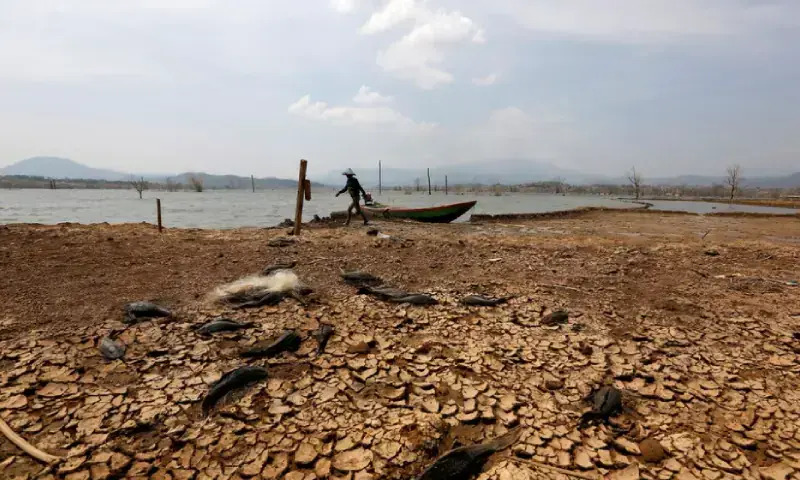
The United Nations has issued an urgent international warning declaring that the unfolding super El Nino cycle presents a significant and multifaceted threat to global health, economic stability, and ecological balance. As the world braces for what meteorological models predict could be the most intense climate phenomenon on record, international organizations are mobilizing to address compounding crises. El Nino, characterized by the periodic warming of surface temperatures in the central and eastern Pacific Ocean, fundamentally alters global atmospheric circulation and oceanic currents. This natural phenomenon triggers extreme weather anomalies worldwide, ranging from severe droughts in Southern Africa and Central America to delayed monsoons across South Asia and catastrophic flooding in parts of Indonesia.
The World Health Organisation (WHO) has underscored that shifting climate conditions—particularly torrential rainfall coupled with prolonged dry spells—create ideal breeding environments for vector-borne and waterborne pathogens, including cholera, dengue, and malaria. Governments across developing nations are being urged to reinforce public health infrastructure and preposition medical supplies to counter anticipated disease surges. For Pakistan, a nation still recovering from historical climate disasters, the onset of a super El Nino introduces immediate vulnerabilities, particularly regarding altered precipitation cycles that directly dictate agricultural productivity and rural livelihoods.
Commercial & Economic Implications
For Kalyar Traders and the broader commercial landscape in Pakistan, the macro-level implications of a delayed or erratic monsoon season are profound. Agriculture remains the backbone of the domestic economy, serving as the primary supplier of raw materials for agro-based industries and a major driver of rural purchasing power. Extended droughts or unseasonal heavy rains threaten staple crop yields, including wheat, cotton, rice, and sugarcane. Any substantial deficit in domestic crop production inevitably triggers a chain reaction across wholesale distribution networks, pushing up raw material costs for millers and manufacturers.
Retail trade and consumer markets are highly sensitive to these agricultural shocks. As domestic food supplies tighten, consumer price inflation climbs, eroding household disposable incomes and dampening aggregate demand across non-essential retail sectors. Furthermore, supply chain disruptions caused by washed-out infrastructure or localized flooding inflate transportation and logistics costs. Importers and commodity distributors must navigate heightened volatility in international commodity markets, where global supply constraints driven by El Nino are already inflating import bills for essential foodstuffs and agricultural inputs such as fertilizers and pesticides.
Related Intelligence: Gilgit-Baltistan Launches Climate Resilience and Rural Development Initiative
Stakeholder Perspectives & Market Reactions
Industry bodies, agricultural associations, and financial analysts in Pakistan have expressed mounting concern over the government's preparedness for climate-induced economic shocks. Trade representatives from major wholesale markets note that profit margins are already compressed due to high interest rates, energy tariffs, and currency fluctuations, leaving businesses with minimal financial buffer to absorb prolonged supply chain bottlenecks or inventory losses.
Legal and policy experts emphasize the urgent need for a coordinated national response that bridges federal agricultural ministries and provincial disaster management authorities. Public and private sector stakeholders are calling for enhanced data-sharing mechanisms, early-warning agricultural advisories, and the establishment of strategic food reserves to stabilize domestic prices during periods of severe scarcity. Meanwhile, financial institutions are re-evaluating lending risk profiles for agribusinesses operating in high-vulnerability districts, signaling potential credit tightening for smaller farming enterprises.
Forward Outlook & Key Watchpoints
As the super El Nino cycle gathers momentum over the coming quarters, market participants and policymakers must closely monitor key meteorological indicators and crop progress reports. The primary watchpoints for Pakistan include the precise timing and volume of monsoon rainfall, updates from the Pakistan Meteorological Department (PMD), and monthly consumer price index (CPI) releases tracking food inflation.
Policymakers face a critical window to enforce proactive adaptation measures, including the distribution of climate-resilient seed varieties, efficient water management practices, and targeted subsidies for vulnerable farming communities. Failure to implement robust mitigation strategies could entrench inflationary pressures, destabilize external accounts via higher food import requirements, and exacerbate public health vulnerabilities nationwide. Kalyar Traders will continue to track these developments closely to guide commercial strategy and risk management.
Join Our Official WhatsApp Channel
Receive live commodity alerts, policy changes, and commercial intelligence directly on WhatsApp.