
Record-Breaking El Niño Triggers Global Economic and Agricultural Alarm
The strongest El Niño event on record is accelerating weather anomalies worldwide, threatening global supply chains, agricultural yields, and commodity markets.
Geopolitical & Core Developments
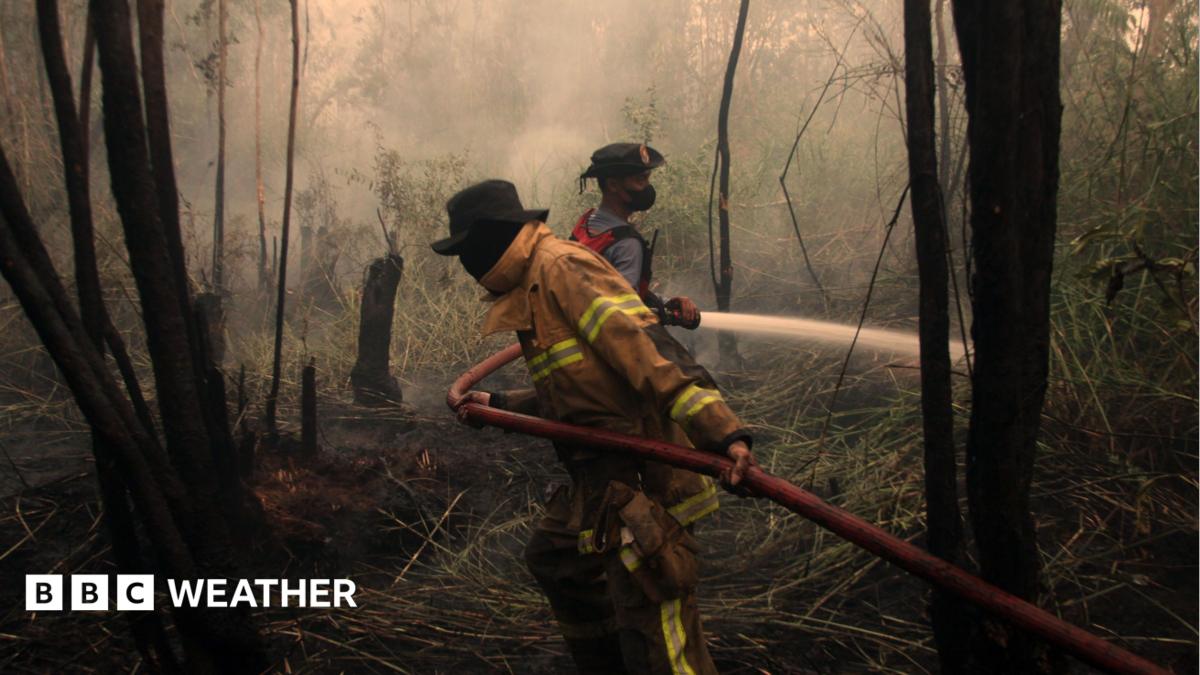
Scientific monitoring networks have confirmed that the developing El Niño phenomenon has officially surpassed historical intensity thresholds weeks ahead of its anticipated seasonal peak. Oceanographic data from the equatorial Pacific reveals sea surface temperature anomalies that exceed previous benchmarks set during the catastrophic 1997-1998 and 2015-2016 events. As atmospheric pressures shift across hemispheres, the geopolitical landscape faces an unprecedented cascade of environmental stress tests. Governments across the Global South and advanced economies alike are scrambling to mobilize disaster response frameworks as extreme weather transitions from a meteorological projection to an immediate, disruptive reality.
The strategic stakes for sovereign states are extraordinarily high. Traditional breadbasket regions in South America, Southeast Asia, and Sub-Saharan Africa are experiencing polarized climatic extremes, ranging from prolonged agricultural droughts to catastrophic flash flooding. State actors dependent on foreign food imports and domestic hydroelectric generation are witnessing severe strains on public infrastructure. National security councils are increasingly viewing the intensifying El Niño not merely as a temporary climate cycle, but as a systemic threat multiplier capable of destabilizing vulnerable regimes, displacing rural populations, and triggering resource nationalism across critical trade corridors.
[Global Trade](/news/london-fashion-week-repositions-beyond-uk-borders-amid-global-trade-shifts) & Economic Ripples
International commodity markets are reacting with heightened volatility as the commercial fallout of the record El Niño becomes quantifiable. Agricultural futures, particularly for soft commodities such as coffee, cocoa, sugar, palm oil, and wheat, have experienced sharp upward price spikes. Producers in key export hubs like Indonesia, Malaysia, and Brazil report severe yield reductions driven by moisture deficits and anomalous heatwaves. These agricultural shocks threaten to reignite global food inflation just as central banks in developed economies were beginning to achieve stability in consumer price indices.
Beyond agriculture, the physical disruptions are rippling through global energy markets and critical shipping lanes. Low water levels in the Panama Canal have already forced maritime authorities to restrict daily vessel transits, creating significant bottlenecks for container ships moving goods between Asia, the United States, and Europe. Concurrently, hydroelectric generation deficits in South America and parts of Asia are forcing utilities to increase reliance on liquefied natural gas and coal, driving up regional energy costs and altering global fossil fuel trade flows. Currency values in emerging market economies heavily reliant on commodity exports are experiencing downward pressure, complicating sovereign debt servicing and increasing import bills.
Related Intelligence: Middle East Tensions Threaten Global Trade and Commodity Markets
International Reactions & Diplomatic Stances
Multilateral institutions have responded with coordinated alarms and urgent appeals for proactive financial intervention. The World Meteorological Organization and the United Nations Food and Agriculture Organization have issued joint advisories urging member states to pre-position humanitarian aid and establish strategic grain reserves. Financial bodies, including the World Bank and the International Monetary Fund, are reviewing emergency lending facilities to assist developing nations bracing for balance-of-payments crises driven by agricultural shortfalls and skyrocketing food import costs.
Major trading nations and regional blocs are also adjusting their diplomatic and commercial postures. The European Union has ramped up monitoring of internal agricultural yields while scrutinizing supply chain dependencies under its corporate sustainability directives. Meanwhile, major Asian economies are engaging in bilateral agricultural diplomacy, seeking long-term supply pacts with alternative producers to insulate domestic populations from volatile spot-market pricing. Trade ministries are actively reviewing export restriction policies, raising concerns among international economists about a potential resurgence of food protectionism reminiscent of past commodity shocks.
Strategic Outlook & Future Scenarios
As the El Niño event approaches its climatic peak, market analysts and geopolitical forecasters are modeling several high-risk scenarios for the coming quarters. The trajectory of global inflation will heavily depend on whether the weather anomalies persist into the second planting season of the upcoming year. If meteorological models prove correct and the dissipation phase is followed by a sudden transition to La Niña conditions, agricultural sectors could face a double-dip shock, exacerbating structural deficits in global grain and oilseed inventories.
Upcoming international climate and trade summits will likely pivot toward crisis management and systemic resilience. Policymakers face mounting pressure to accelerate investments in climate-resilient agricultural technology, diversified supply chain infrastructure, and advanced early-warning systems. Failure to coordinate international responses to this unprecedented El Niño could lead to widespread geopolitical friction, intensifying food insecurity, and protracted economic instability across both developing and industrialized nations.
Join Our Official WhatsApp Channel
Receive live commodity alerts, policy changes, and commercial intelligence directly on WhatsApp.