
Middle East Tensions Threaten Global Trade and Commodity Markets
Renewed seasonal unrest in the Palestinian territories triggers global economic anxieties, threatening vital supply chains and commodity market stability across the Middle East.
Geopolitical & Core Developments
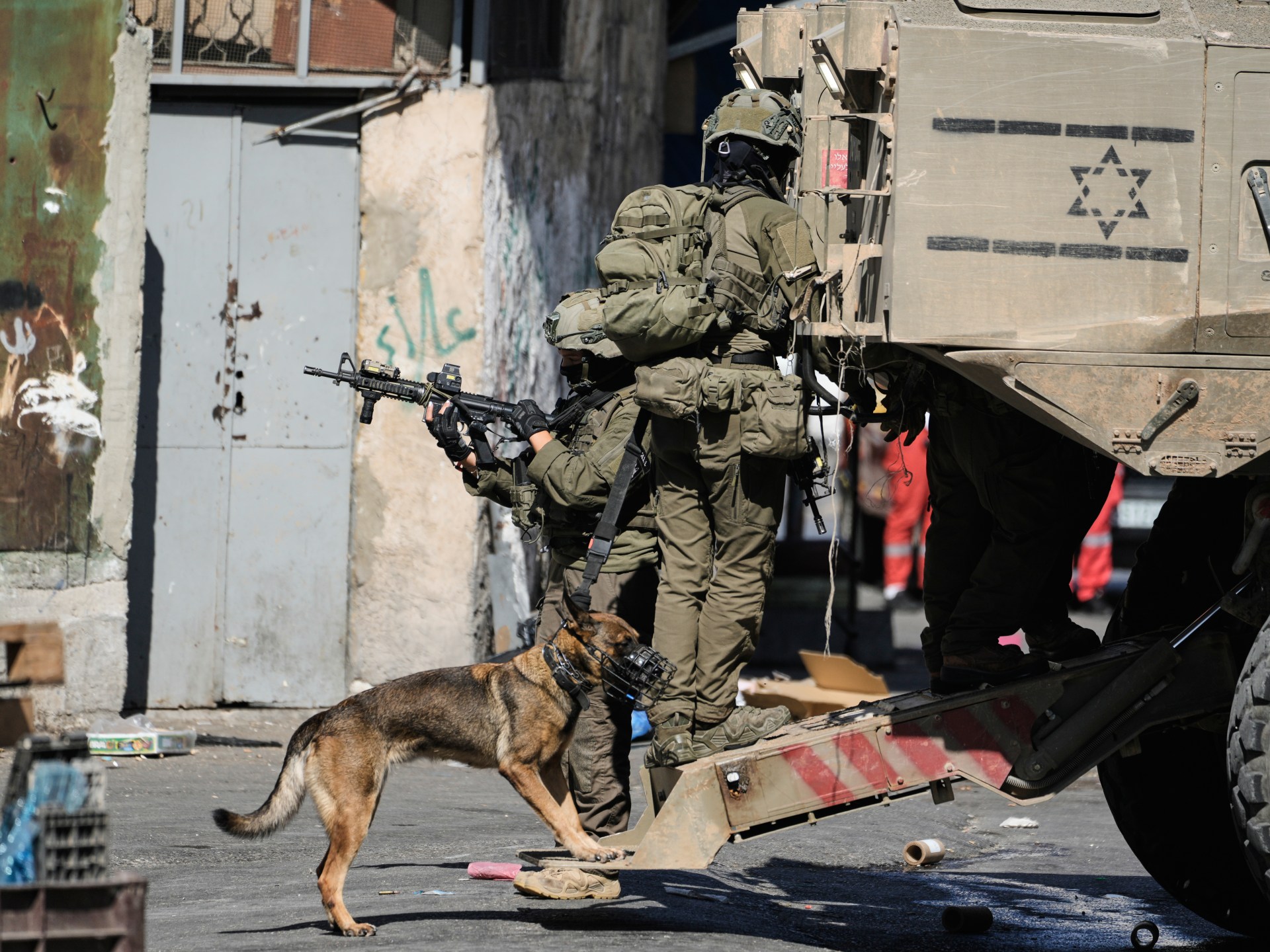
The onset of the agricultural and religious harvest season in the Palestinian territories has historically served as a barometer for regional stability. Recent weeks, however, have witnessed a sharp escalation in violent disruptions spanning from rural olive groves to the historic Al-Aqsa Mosque compound in Jerusalem. These incidents are not isolated cultural friction points; rather, they reflect deep-seated systemic pressures involving state actors, security forces, and local populations. The intersection of religious observances and agricultural timelines creates a volatile environment where minor flashpoints rapidly transform into widespread civil unrest. Diplomatic channels remain severely constrained, with traditional mediators struggling to establish a sustainable framework for de-escalation as strategic stakes rise for all involved parties.
[Global Trade](/news/london-fashion-week-repositions-beyond-uk-borders-amid-global-trade-shifts) & Economic Ripples
While localized in appearance, the disturbances carry significant downstream effects for international commerce and commodity pricing. The olive harvest, a critical economic pillar for rural Palestinian communities, faces severe disruption due to movement restrictions, settler violence, and administrative hurdles. Beyond agriculture, persistent instability in the Levant acts as a psychological and logistical drag on broader Middle Eastern trade networks. Global energy markets, highly sensitive to regional risk premiums, monitor these developments closely for signs of contagion that could impact maritime shipping lanes in the Eastern Mediterranean and the Suez Canal corridor. Supply chain continuity for regional exporters remains under constant threat, forcing multinational corporations to reassess their operational risk profiles and logistics routes.
Related Intelligence: UN General Assembly Opens Under Shadow of Middle East Conflict
International Reactions & Diplomatic Stances
The international community has expressed profound alarm over the deteriorating situation on the ground. United Nations bodies and humanitarian agencies have issued urgent appeals for restraint, emphasizing the protection of civilian livelihoods and agricultural workers during the harvest period. Major global powers have reiterated calls for adherence to international law and the preservation of the status quo at holy sites. However, diplomatic cohesion remains elusive, with diverging strategic priorities paralyzing the UN Security Council from taking decisive enforcement action. Market analysts note that while immediate financial impacts are cushioned by existing buffers, prolonged instability risks entrenching a permanent risk premium into regional trade finance and insurance markets.
Strategic Outlook & Future Scenarios
Looking ahead, the trajectory of the region points toward continued volatility with potential ramifications for global diplomatic summits and economic partnerships. Upcoming international gatherings will likely focus on emergency humanitarian aid and localized ceasefires, though long-term structural solutions appear distant. Sanction risks, diplomatic realignments, and the potential escalation into broader regional confrontations remain persistent threats that could abruptly alter energy supplies and currency values. For global traders and geopolitical strategists, the coming months demand rigorous contingency planning to navigate an increasingly unpredictable macroeconomic landscape driven by recurring Middle Eastern crises.
Join Our Official WhatsApp Channel
Receive live commodity alerts, policy changes, and commercial intelligence directly on WhatsApp.