
UN General Assembly Walkout During Netanyahu Address Deepens Diplomatic Crisis
A mass walkout by UN delegates during Israeli Prime Minister Benjamin Netanyahu's address highlights deepening international divisions, threatening broader geopolitical and commercial stability.
Geopolitical & Core Developments
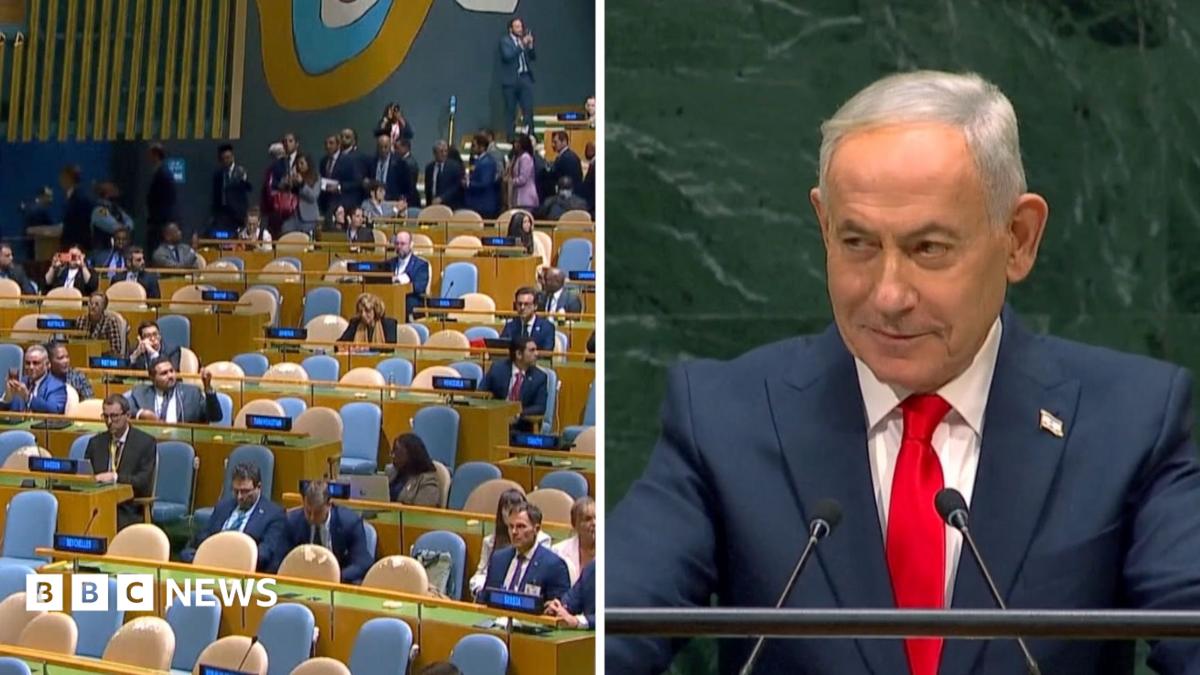
The annual gathering of the United Nations General Assembly in New York bore witness to a striking diplomatic fracture as dozens of international delegates staged a coordinated walkout moments before Israeli Prime Minister Benjamin Netanyahu began his address. The dramatic exit, involving representatives from Arab, African, and several Western-aligned nations, left vast sections of the General Assembly hall visibly empty. Conversely, members of the Israeli delegation remained seated, vocally cheering and displaying unwavering support for the embattled leader.
This symbolic protest reflects the rapidly deteriorating diplomatic standing of Israel within multilateral forums as the conflict in Gaza and Lebanon persists. Netanyahu's speech, anticipated to defend military operations and outline strategic objectives against regional adversaries, became a focal point for global condemnation of current military strategies. The polarization within the chamber mirrors a fractured international community, where traditional alliances are being severely tested by divergent interpretations of international law, humanitarian imperatives, and national sovereignty.
Global Trade & Economic Ripples
The deepening geopolitical standoff at the United Nations carries profound implications for global trade, commodity pricing, and supply chain integrity. As diplomatic channels fray, the risk of regional escalation in the Middle East intensifies, posing a direct threat to vital energy corridors. Markets have remained jittery, with crude oil and liquefied natural gas (LNG) futures experiencing heightened volatility driven by fears of potential disruptions in the Strait of Hormuz and the Suez Canal—critical maritime chokepoints through which a significant portion of global energy supplies and manufactured goods transit.
Furthermore, marine insurers and shipping conglomerates are recalibrating risk assessments for vessels operating in the Eastern Mediterranean and Red Sea regions. Persistent security threats have already driven up freight rates and forced extended transit routes around the Cape of Good Hope, adding inflationary pressures to global commerce. Commodities ranging from agricultural products to industrial metals face prolonged supply chain friction as logistics networks absorb the cumulative shocks of sustained regional instability.
Related Intelligence: Pakistani Airstrikes Inside Afghanistan Spark Regional Escalation Risks
International Reactions & Diplomatic Stances
The walkout drew immediate and polarized reactions across the global diplomatic spectrum. Multilateral bodies and human rights organizations issued renewed calls for an immediate cessation of hostilities, emphasizing the imperative of adhering to international humanitarian law. European Union capitals expressed deep concern over the widening diplomatic chasm, with several member states advocating for intensified backchannel negotiations to prevent total institutional gridlock within the United Nations.
Conversely, key strategic allies reiterated their commitment to Israel's security, even as they voiced apprehension regarding the humanitarian toll and the broader implications for regional stability. Market analysts note that the hardening of these diplomatic positions diminishes the likelihood of near-term multilateral consensus, leaving economic actors to navigate an increasingly unpredictable regulatory and geopolitical landscape.
Strategic Outlook & Future Scenarios
Looking ahead, the fallout from the General Assembly protest is expected to reverberate across upcoming international summits, including forthcoming G20 ministerial meetings and regional economic forums. The inability of the international community to forge a unified stance on the Middle East crisis raises serious questions about the efficacy of multilateral diplomacy and the future architecture of global governance.
For global markets and multinational enterprises, the primary risk lies in the potential for asymmetric escalation, including cyberattacks on critical infrastructure, secondary economic sanctions, and sudden trade restrictions. As diplomatic pathways narrow, commercial stakeholders are advised to maintain robust contingency planning, diversify supply chains, and closely monitor regulatory shifts emanating from major trading blocs.
Join Our Official WhatsApp Channel
Receive live commodity alerts, policy changes, and commercial intelligence directly on WhatsApp.