
Pakistan Cuts Fuel Prices as Global Markets Ease
Pakistan's government implements minor reductions in petrol and high-speed diesel prices, reflecting recent stabilization in global crude markets.
The Core Development
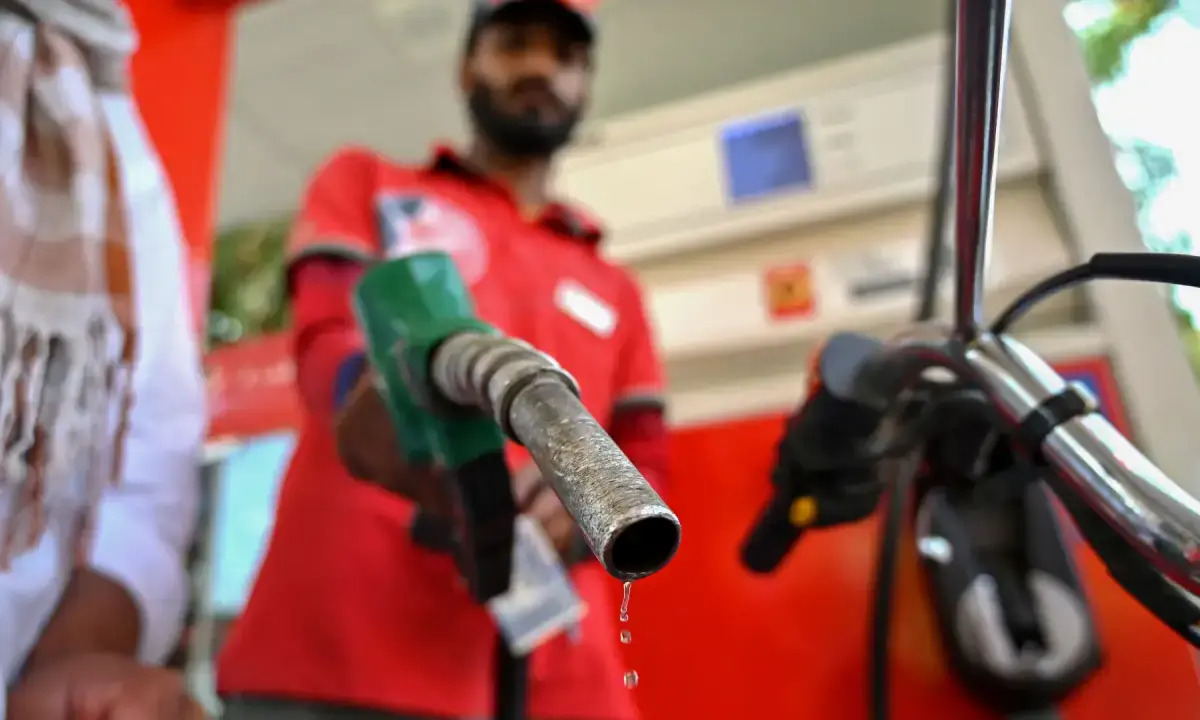
The federal government, acting on the recommendations of the Oil and Gas Regulatory Authority (OGRA), has announced a downward revision in the ex-depot prices of key petroleum products for the upcoming fortnightly monitoring cycle. According to the official notification issued by the Ministry of Energy, the price of petrol has been trimmed by Rs0.84 per litre, bringing immediate albeit modest relief to motorists across the country. Concurrently, the price of high-speed diesel (HSD)—a critical fuel driving the nation's transport, agricultural, and heavy freight networks—has experienced a more pronounced reduction of Rs2.63 per litre.
This price adjustment follows a fortnightly review of international oil market movements, exchange rate fluctuations, and existing petroleum levy structures. Over the preceding two weeks, global Brent crude benchmarks exhibited subtle downward corrections, driven by mixed demand signals from major economies and steady supply outputs from non-OPEC producers. The Ministry of Energy confirmed that the new rates take effect immediately at midnight, with oil marketing companies and retail outlets directed to implement the revised ex-depot prices nationwide.
Commercial & Economic Implications
While the absolute price cuts are relatively marginal on a per-litre basis, the macroeconomic implications for Pakistan's cost-sensitive business environment remain noteworthy. High-speed diesel, often referred to as the lifeblood of the domestic economy, dictates the operational overheads of the transport and logistics sectors. A reduction in diesel costs directly translates into lowered freight charges for fast-moving consumer goods, industrial raw materials, and agricultural produce moving from rural hubs to urban consumption centers.
For the broader retail and wholesale markets, tempered transport expenditures can help suppress second-round inflationary pressures. Pakistan has grappled with persistent inflationary spikes over recent years, where energy and fuel tariffs served as primary catalysts. Although a Rs2.63 reduction in diesel will not single-handedly transform the consumer price index, it provides a stabilizing psychological and structural anchor for supply chain operators striving to maintain competitive pricing amid subdued domestic demand and tight liquidity conditions.
Related Intelligence: Iran Flight Bans Trigger Regional Escalation and Supply Chain Risks
Stakeholder Perspectives & Market Reactions
Initial responses from commercial transport associations and retail trade bodies have been cautiously pragmatic. Representatives from the All Pakistan Goods Transporters Association noted that while any downward revision is welcomed, the cumulative impact of high baseline taxes, petroleum levies, and continuous utility tariff hikes still leaves operating margins compressed. Transporters reiterated that sustained relief requires a holistic structural overhaul of the energy pricing formula rather than incremental fortnightly adjustments.
Meanwhile, retail petroleum dealers expressed satisfaction that the minor price decrease is unlikely to cause severe inventory valuation losses—a common concern during steep downward price shocks. Industry analysts observing the energy sector point out that the government is utilizing current international stability to gradually pass on benefits to consumers without compromising vital fiscal revenue targets mandated under ongoing macroeconomic stabilization programs.
Forward Outlook & Key Watchpoints
As Pakistan navigates the remainder of the fiscal year, energy sector watchers will closely monitor geopolitical developments in the Middle East and supply adjustments by global cartels, which remain the primary wildcards for domestic fuel pricing. The Ministry of Energy and OGRA will maintain strict oversight of retail outlets to ensure absolute compliance with the newly notified ex-depot rates, preventing unauthorized profiteering or hoarding. Future price reviews will depend heavily on the stability of the Pakistani Rupee against the US Dollar and ongoing shifts in refined product premiums in the Asian market.
Join Our Official WhatsApp Channel
Receive live commodity alerts, policy changes, and commercial intelligence directly on WhatsApp.