
Pakistani Airstrikes Inside Afghanistan Spark Regional Escalation Risks
Pakistani airstrikes targeting militant positions inside Afghanistan have left four civilians dead, intensifying bilateral tensions and raising concerns over South Asian trade stability.
Geopolitical & Core Developments
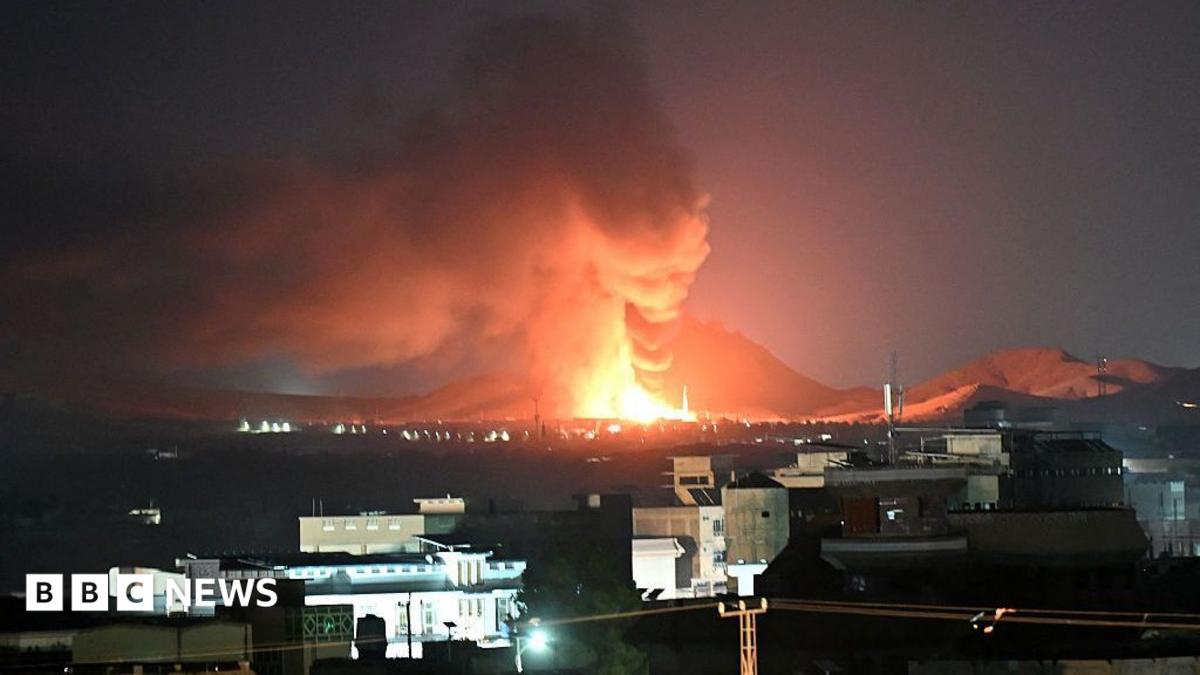
Tensions along the volatile Durand Line reached a critical juncture following a series of precision airstrikes executed by the Pakistan military inside sovereign Afghan territory. According to official statements from the interim Taliban administration in Kabul, the cross-border raids resulted in the deaths of four civilians, predominantly women and children, igniting immediate diplomatic outrage. Islamabad defended the military action, asserting that its forces struck ten distinct targets associated with militant factions operating unchecked near the border. Pakistani defense officials emphasized that the operation was strictly limited to identified military objectives to neutralize cross-border insurgent threats that have increasingly plagued Pakistan's western provinces.
The strikes underscore a profound deterioration in bilateral relations between Islamabad and Kabul. Despite initial hopes that the Taliban takeover would secure Pakistan's western frontier, escalating attacks by the Tehreek-e-Taliban Pakistan (TTP) have severely tested Islamabad's patience. The deployment of air power across the international border signifies a sharp escalation in military doctrine, moving away from containment toward pre-emptive cross-border intervention. This shift introduces severe instability into an already fragile geopolitical landscape, testing the deterrence thresholds of both regional administrations and inviting potential armed friction on the ground.
[Global Trade](/news/trump-invites-putin-miami-g20-geopolitical-economic-impact) & Economic Ripples
While the immediate crisis remains localized to the rugged borderlands, the commercial implications for South and Central Asian trade corridors are profound. The Torkham and Chaman border crossings—critical arterial nodes for bilateral commerce, transit trade to landlocked Afghanistan, and broader regional exchange—face heightened risks of intermittent closures. Any prolonged security lockdown directly impedes the flow of perishable agricultural goods, consumer items, and raw materials, inflicting financial losses on merchants and disrupting supply chains that feed into broader regional markets.
Furthermore, the security deterioration casts a shadow over flagship connectivity initiatives, notably the Trans-Afghan railway project and regional energy transmission corridors such as CASA-1000. International investors and multilateral development banks closely monitor these security developments, as persistent geopolitical instability elevates sovereign risk premiums across Central Asia. Commodity traders specializing in regional agricultural exports and light manufacturing inputs must now factor in heightened transit risks, potential route diversions, and increased insurance premiums for cargo moving through the Khyber Pass corridor.
Related Intelligence: Pakistan Brokers Iran-US Accord as Pezeshkian Reaffirms Islamabad MoU
International Reactions & Diplomatic Stances
Global capitals and multilateral organizations have responded to the escalation with cautious alarm, urging immediate restraint to prevent a wider regional conflict. United Nations representatives have called upon both Islamabad and Kabul to engage in direct bilateral dialogue, emphasizing the protection of civilian populations under international humanitarian law. Regional powers, including China and Russia, have expressed concern over the potential resurgence of broader regional instability, which could jeopardize broader economic integration frameworks under the Belt and Road Initiative.
Market analysts and geopolitical risk consultancies note that neither Islamabad nor Kabul possesses the economic resilience to sustain a prolonged conventional conflict. Consequently, diplomatic backchannels remain active, with regional intermediaries attempting to de-escalate rhetoric. However, the hardening of official stances on both sides complicates diplomatic mediation. Western diplomatic missions have issued updated travel advisories for the border regions, warning of potential retaliatory incidents and sudden security clampdowns.
Strategic Outlook & Future Scenarios
Looking ahead, the trajectory of Pakistan-Afghanistan relations hinges on the Taliban's willingness to crack down on anti-Pakistan militant networks operating from its soil. If Islamabad perceives that diplomatic pressure and limited kinetic strikes fail to curb insurgent activity, the risk of more aggressive military operations—including sustained drone campaigns or localized ground incursions—remains dangerously high.
Conversely, an intensification of border clashes could severely disrupt vital trade arteries, forcing regional traders to seek costly alternative logistics networks through Iran or Central Asian republics. Upcoming regional security dialogues and multilateral summits will serve as critical barometers for measuring whether diplomatic engagement can supplant military escalation, or if South Asia is entering a protracted period of cross-border instability with far-reaching consequences for regional commerce.
Join Our Official WhatsApp Channel
Receive live commodity alerts, policy changes, and commercial intelligence directly on WhatsApp.