
Trump Predicts Swift End to Iran Conflict Amid Global Market Uncertainty
US President Trump claims the conflict with Iran will end very soon, sparking widespread global debate and scrutiny across commodity and financial markets.
Geopolitical & Core Developments
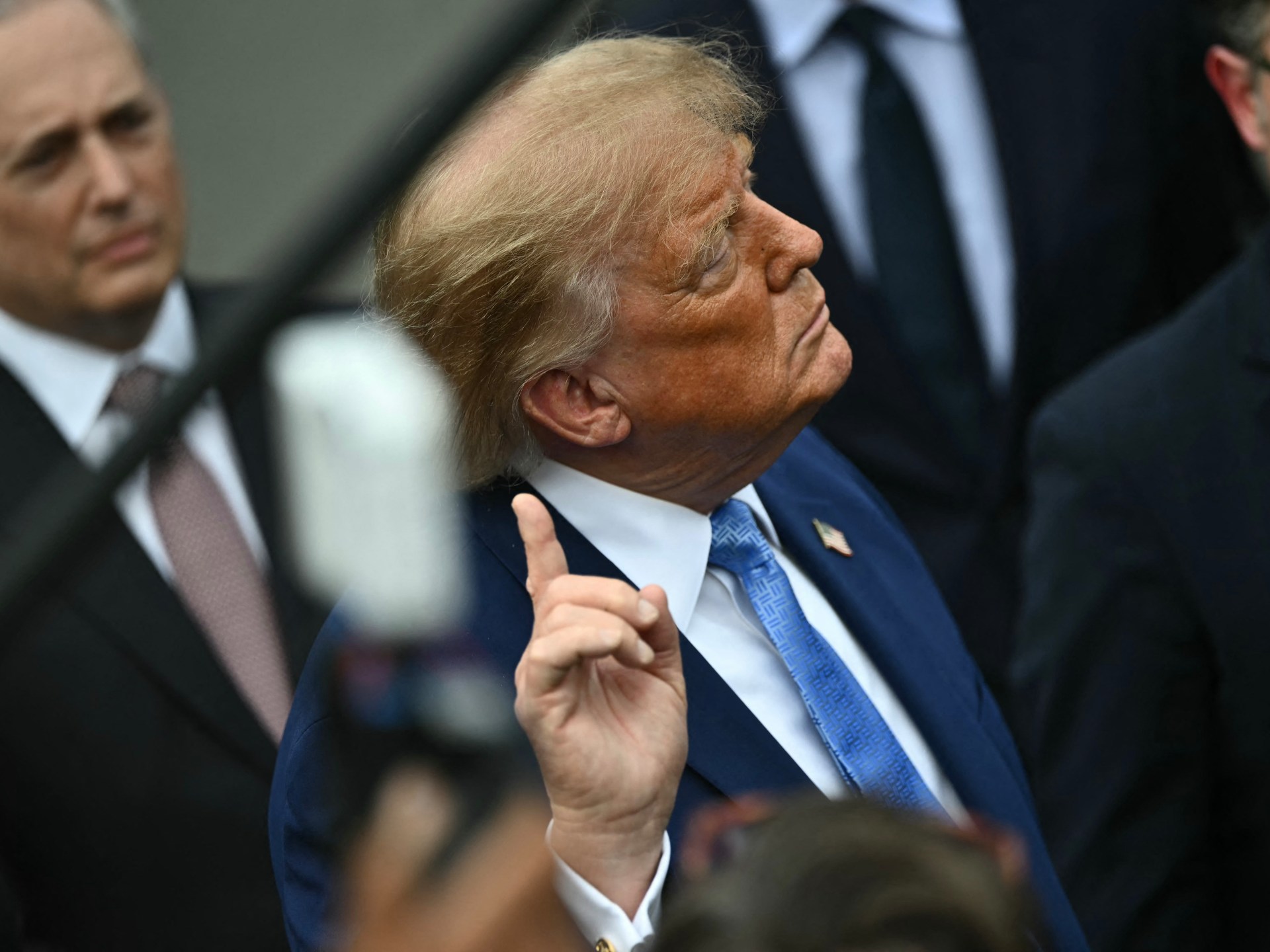
United States President Donald Trump has asserted that the ongoing military and geopolitical confrontation involving Iran will conclude "very soon," though his administration has refrained from providing concrete timelines, strategic roadmaps, or diplomatic mechanisms to substantiate the claim. The remarks come amid an escalating cycle of regional posturing, military readiness, and high-stakes intelligence assessments across the Middle East. While Washington maintains its posture of deterrence, state actors throughout the region remain on high alert. The absence of specific details regarding a potential ceasefire, diplomatic breakthrough, or drawdown of forces has left defense analysts and foreign policy experts questioning the validity of the optimistic outlook. Strategic stakeholders across the international community are closely monitoring military movements, proxy network dynamics, and intelligence reports to gauge whether the rhetoric reflects an imminent behind-the-scenes diplomatic arrangement or merely tactical political communication designed to reassure domestic and international financial constituencies.
Global Trade & Economic Ripples
The ambiguity surrounding the conflict's trajectory has triggered immediate ripples across global commodity markets, particularly concerning crude oil pricing, maritime logistics, and strategic shipping corridors. The Strait of Hormuz, a critical chokepoint accounting for a massive share of globally traded petroleum, remains a focal point for risk premiums. Energy traders and major corporate shipping conglomerates are continuously reassessing freight insurance rates, vessel routing, and contingency inventories to mitigate potential supply chain disruptions. While spot prices experienced temporary downward corrections following the presidential statements, underlying market fundamentals reflect persistent nervousness. Industrial consumers, energy importers, and agricultural commodity traders are factoring in sustained volatility, hedging against potential sudden escalations that could severely constrict maritime transit, inflate shipping costs, and exert upward pressure on global inflation metrics.
Related Intelligence: Trump Pledges Intensive Midterm Campaigning Amid Economic and Foreign Policy Headwinds
International Reactions & Diplomatic Stances
International reaction to the White House assertions has been characterized by cautious skepticism and urgent calls for institutional clarity. Officials at the United Nations have reiterated that sustainable peace in the region requires multilateral engagement, strict adherence to international law, and transparent negotiations rather than unilateral declarations. European capitals have echoed these sentiments, emphasizing that allied unity and diplomatic coordination remain paramount to preventing miscalculations in the Persian Gulf. Meanwhile, market analysts and financial institutions have urged corporate clients not to prematurely adjust strategic reserves or long-term hedging strategies based solely on political soundbites. Chambers of commerce and international trade organizations stress that tangible de-escalation on the ground and the formal reopening of secure commercial transit lanes are mandatory before confidence can be fully restored to global commerce.
Strategic Outlook & Future Scenarios
Looking ahead, the trajectory of the Iran crisis will depend heavily on whether back-channel communications can translate political rhetoric into verifiable diplomatic milestones. Upcoming international summits, ministerial meetings of key regional powers, and upcoming economic forums will serve as critical barometers for assessing the true state of global tension. If concrete de-escalation measures fail to materialize, financial markets could experience a sharp resurgence of risk aversion, driving capital toward safe-haven assets and bolstering defensive postures across the energy sector. Conversely, any credible framework leading toward regional stabilization would likely unleash substantial pent-up demand in global trade, alleviate persistent supply chain bottlenecks, and foster renewed economic predictability across international commodity markets.
Join Our Official WhatsApp Channel
Receive live commodity alerts, policy changes, and commercial intelligence directly on WhatsApp.