
Qatari Prime Minister Condemns Gaza Atrocities Amid Intense Diplomatic Push
Qatari Prime Minister Sheikh Mohammed bin Abdulrahman Al Thani has strongly condemned the ongoing violence in Gaza, reaffirming Doha's dedication to diplomatic mediation amid severe geopolitical and economic headwinds.
Geopolitical & Core Developments
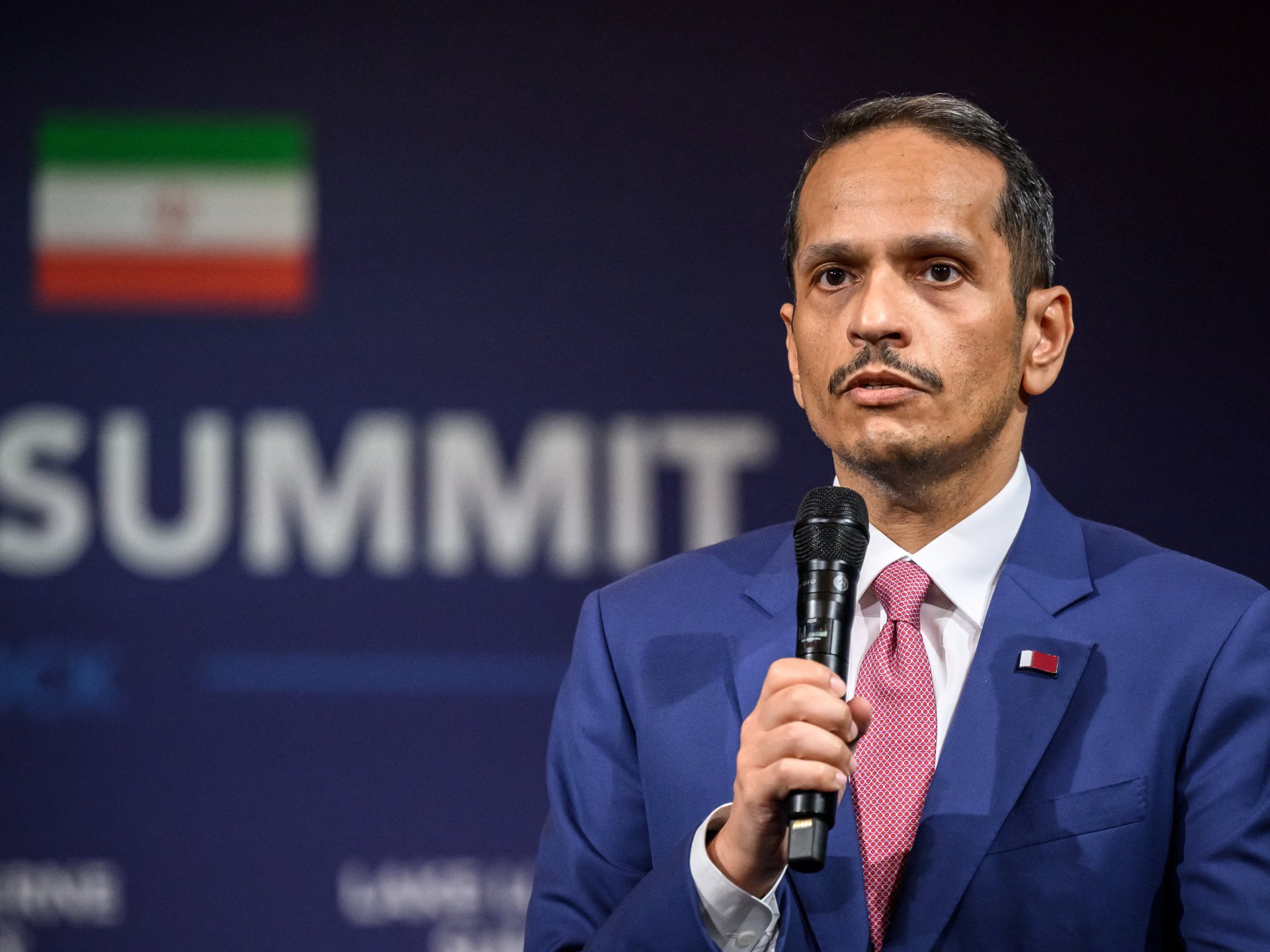
In a candid and hard-hitting interview with broadcaster Piers Morgan, Qatari Prime Minister and Minister of Foreign Affairs Sheikh Mohammed bin Abdulrahman Al Thani delivered a scathing rebuke of the escalating violence in the Gaza Strip, declaring unequivocally that "nothing is justifying this." The Qatari leader emphasized the catastrophic human toll of the military campaign, highlighting the systemic destruction of civilian infrastructure and the profound suffering inflicted upon millions of displaced Palestinians. As a central anchor of Middle Eastern diplomacy, Qatar has found itself at the epicenter of high-stakes negotiations aimed at securing humanitarian ceasefires and hostage releases. Despite facing intense geopolitical friction and criticism from various quarters, the Qatari administration has maintained that backchannel diplomacy remains the only viable path toward de-escalation. The timeline of the conflict has demonstrated how deeply entrenched regional grievances can derail fragile peace frameworks, testing the resilience of international mediators.
Global Trade & Economic Ripples
The protracted nature of the Gaza conflict continues to cast a long shadow over global trade, commodity pricing, and energy security. While Middle Eastern oil and gas supplies have not suffered a complete physical disruption, the persistent threat to critical maritime chokepoints—most notably the Bab el-Mandeb Strait and the Red Sea corridor—has forced major international shipping lines to reroute vessels around the Cape of Good Hope. This mandatory circumnavigation has added significant transit time, inflated freight rates, and exacerbated supply chain bottlenecks across European and Asian markets. Furthermore, energy markets remain highly volatile, reacting instantly to any escalation in regional rhetoric or military posture. Global commodity traders are pricing in a permanent risk premium, affecting everything from liquefied natural gas (LNG) deliveries to agricultural inputs, as insurance underwriters demand higher premiums for vessels traversing volatile waters.
Related Intelligence: Morocco Appoints Fatima Ezzahra El Mansouri as First Female Prime Minister
International Reactions & Diplomatic Stances
The international community remains deeply fractured over the diplomatic management of the crisis, though consensus has grown regarding the urgency of addressing the humanitarian catastrophe. United Nations leadership has repeatedly warned that the humanitarian response in Gaza is operating on the brink of total collapse, urging immediate and unhindered access for relief supplies. Western governments have walked a diplomatic tightrope, balancing historic alliances with mounting domestic and international pressure to demand restraint and adherence to international humanitarian law. Meanwhile, multilateral bodies and emerging market economies have increasingly criticized what they perceive as a double standard in global governance, warning that protracted impunity in the Middle East undermines the rules-based international order and erodes trust in multilateral institutions.
Strategic Outlook & Future Scenarios
Looking ahead, the trajectory of the Middle Eastern crisis points toward prolonged volatility with far-reaching strategic consequences. Upcoming diplomatic summits, emergency General Assembly sessions, and bilateral talks will test the efficacy of international pressure in altering the calculus of the belligerent parties. Analysts warn of severe escalation points, including the potential broadening of the conflict along the northern Israeli border, which would immediately destabilize regional energy infrastructure and trigger sharp upward spikes in global crude prices. Sanctions regimes, diplomatic expulsions, and legal proceedings at international tribunals will likely intensify, further polarizing diplomatic alignments. For global commerce, navigating this era of permanent geopolitical friction will require unprecedented supply chain resilience, robust risk management strategies, and diversified trade networks to withstand sudden regional shocks.
Join Our Official WhatsApp Channel
Receive live commodity alerts, policy changes, and commercial intelligence directly on WhatsApp.