
Trump Pledges Intensive Midterm Campaigning Amid Economic and Foreign Policy Headwinds
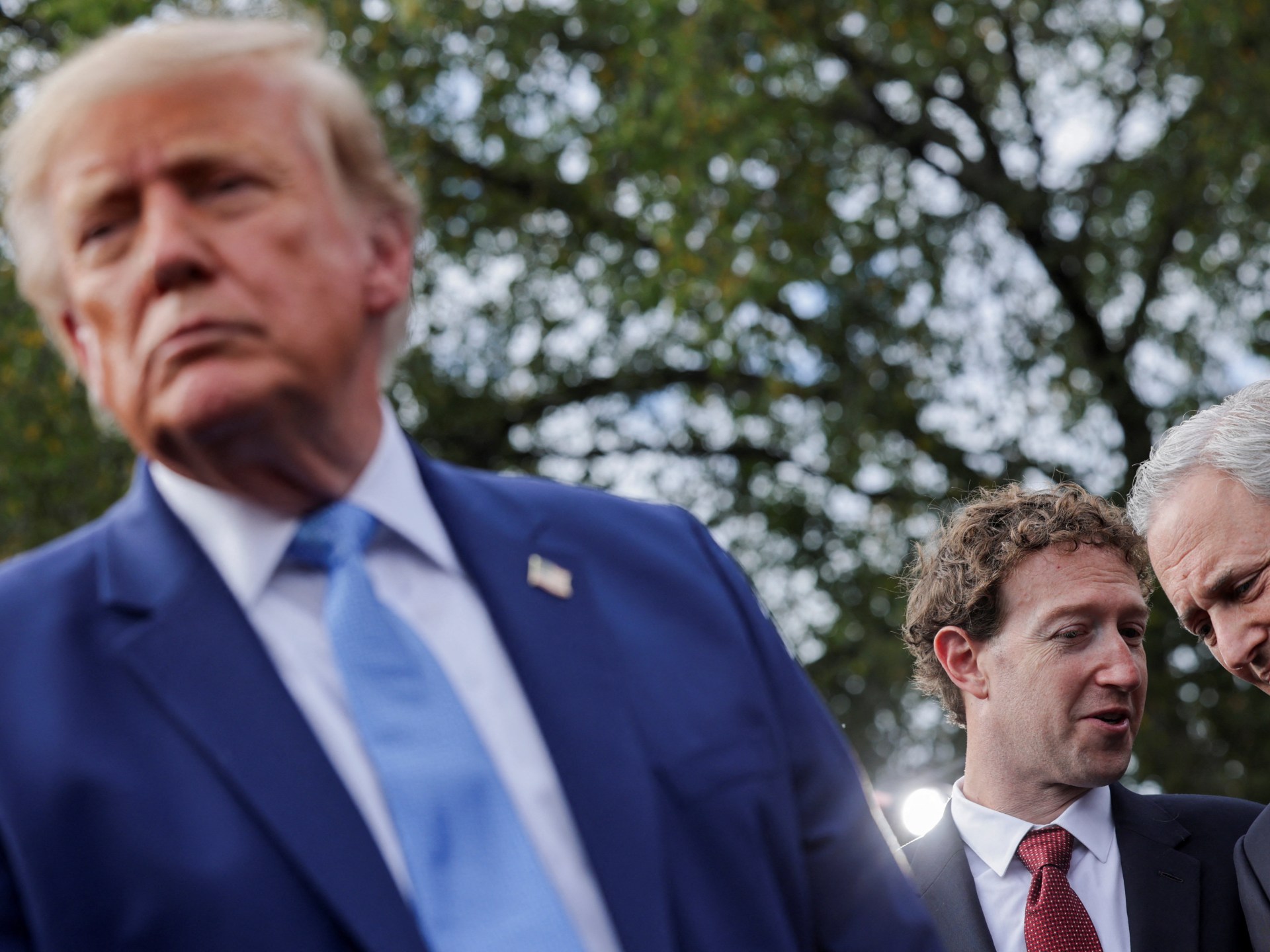
US President Donald Trump plans a 32-day campaign blitz ahead of the midterms, brushing aside rising public anxiety over domestic inflation and the military engagement with Iran.
Geopolitical & Core Developments
US President Donald Trump has announced an ambitious and aggressive 32-day campaign schedule leading up to the upcoming midterm elections, directly confronting mounting political friction over his administration's domestic and foreign policies. Brushing aside persistent polling concerns regarding his approval ratings and public weariness over escalating foreign entanglements, the president's strategy centers on mobilizing his core base across key battleground states. This electoral push unfolds against the complex backdrop of an active military campaign against Iran, which has fundamentally reshaped the geopolitical landscape of the Middle East and introduced a volatile variable into American domestic politics. The administration's foreign policy posture, characterized by direct military engagement and a reassertion of unilateral deterrence, has created deep divisions within legislative circles and amplified voter anxiety regarding prolonged overseas commitments.
Global Trade & Economic Ripples
The convergence of aggressive midterm campaigning and active military operations in the Persian Gulf has sent profound shockwaves through global commodity markets and international trade networks. Energy markets, in particular, remain highly sensitive to developments surrounding the conflict with Iran, given the vital importance of regional shipping lanes such as the Strait of Hormuz. Disruptions or the threat of escalation in these critical maritime corridors have triggered notable fluctuations in Brent and WTI crude oil benchmarks, directly inflating bunkering costs for international shipping companies and driving up freight rates across major trade routes. Furthermore, persistent domestic inflation and high costs of living within the United States have constrained consumer discretionary spending, dampening demand for imported industrial goods and creating cascading supply chain adjustments for manufacturing economies in Asia and Europe. Multinational corporations are increasingly pricing geopolitical risk into their long-term supply contracts, while currency markets exhibit heightened volatility as foreign exchange traders hedge against potential shifts in US trade policy and fiscal governance resulting from the electoral outcome.
Related Intelligence: US Targets Global Network Supporting Iranian Military in Major Sanctions Sweep
International Reactions & Diplomatic Stances
International capitals and multilateral organizations have monitored the unfolding US political strategy with growing apprehension. European Union trade officials have expressed concern that domestic electoral pressures in Washington could lead to more inward-looking trade policies or sudden tariff adjustments, complicating transatlantic commercial relations. Meanwhile, energy-producing nations within the OPEC+ alliance are closely evaluating US domestic political rhetoric regarding fuel prices and production quotas, balancing the imperative to maintain market stability against the backdrop of American military actions in the Middle East. United Nations representatives have issued renewed appeals for diplomatic de-escalation in the Persian Gulf, warning that prolonged military conflict threatens global economic recovery and exacerbates food and energy insecurity in developing nations. Market analysts and macroeconomic forecasters suggest that international investors are adopting a defensive posture, reallocating capital toward safe-haven assets as they await clarity on whether the US administration's electoral momentum will alter its current foreign policy trajectory.
Strategic Outlook & Future Scenarios
As the 32-day campaign countdown commences, the strategic trajectory of both US domestic politics and international trade hangs in a delicate balance. The outcome of the midterm elections will critically determine the legislative feasibility of the administration's domestic economic agenda and its capacity to sustain prolonged military commitments abroad. Upcoming international economic summits and bilateral trade negotiations will serve as primary barometers for measuring how foreign partners intend to navigate potential shifts in Washington's political leadership. In the event of continued military escalation with Iran or persistent domestic inflation, global commodity markets can anticipate sustained pricing pressures and increased logistical friction. Conversely, any movement toward diplomatic resolution in the Middle East could alleviate shipping insurance premiums and stabilize global energy supplies, providing a much-needed reprieve for international supply chains and bolstering market confidence heading into the final quarters of the fiscal year.
Join Our Official WhatsApp Channel
Receive live commodity alerts, policy changes, and commercial intelligence directly on WhatsApp.