
Albania Youth Revolt Escalates Pressuring Prime Minister Edi Rama
Decentralized youth protests in Albania demand the resignation of Prime Minister Edi Rama, threatening domestic political stability and complicating the nation's European Union accession trajectory.
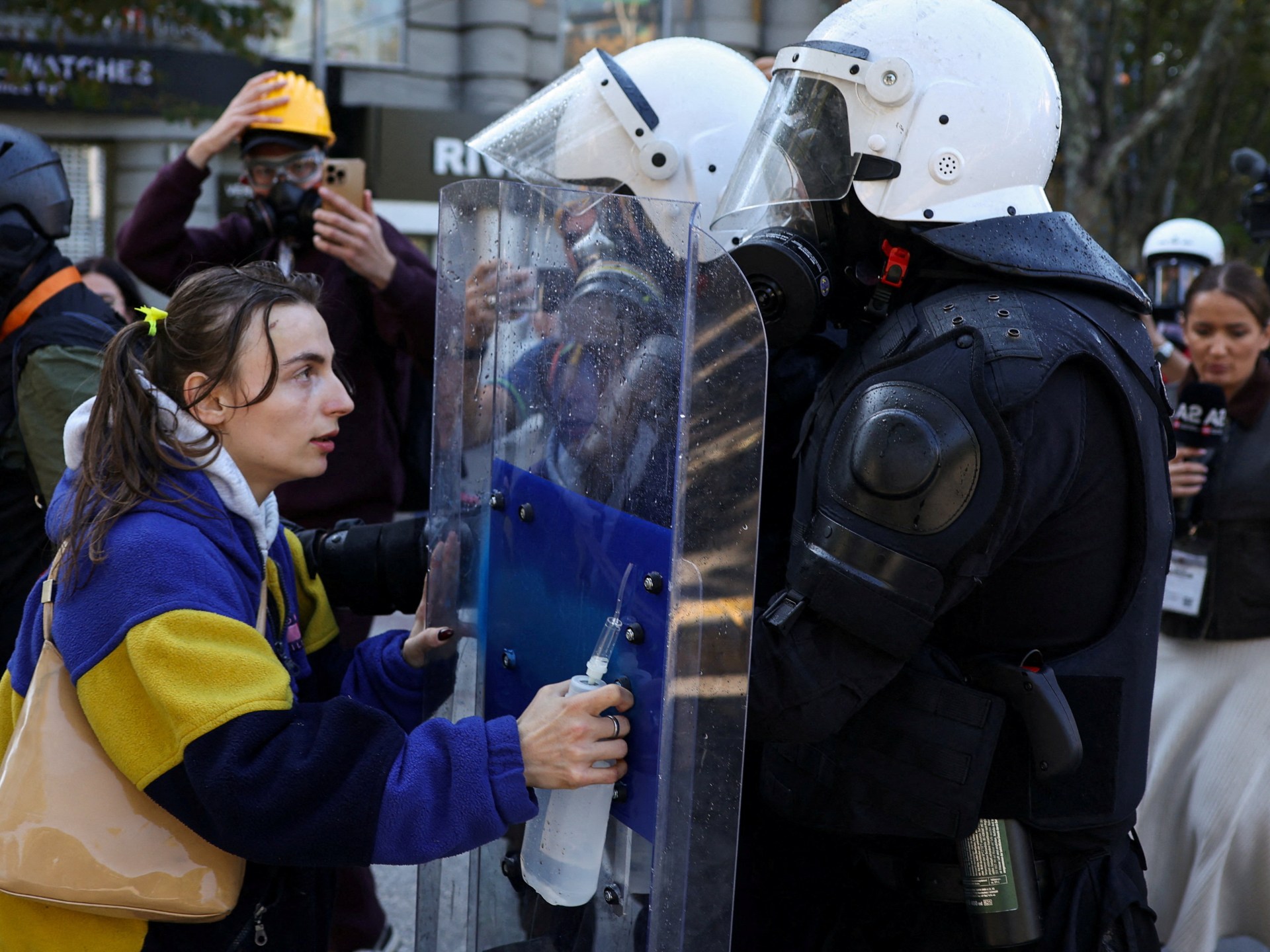
Geopolitical & Core Developments
Albania is witnessing an intensifying wave of leaderless, youth-driven demonstrations targeting Prime Minister Edi Rama and his administration. Drawing parallels to earlier mobilizations dubbed the 'Flamingo Revolution,' this horizontal revolt reflects systemic frustration among the country's youth regarding entrenched political patronage, institutional corruption, and limited economic mobility. The absence of a formal hierarchy has confounded conventional state management, enabling spontaneous civic actions across Tirana and secondary municipal hubs.
Edi Rama, who has occupied the premiership since 2013, faces growing scrutiny from an electorate fatigued by more than a decade of single-party dominance. The protest movement brings together university students, young professionals, and civil society actors who argue that state apparatuses have been leveraged for private enrichment while brain drain hollows out national demographics. Western Balkan security analysts note that the protracted nature of the demonstrations threatens to erode the state's functional governance, creating diplomatic friction for Tirana on the international stage.
[Global Trade](/news/european-energy-crisis-fuel-inflation-trade-impact) & Economic Ripples
While Albania's macroeconomy remains relatively insulated from broader global trade disruptions, persistent civil unrest carries tangible consequences for regional commercial flows and foreign direct investment. Tirana serves as a key transit terminal along the Adriatic-Ionian corridor and forms an integral component of the Pan-European Corridor VIII, which connects southern Italy through Albania and North Macedonia to the Black Sea ports of Bulgaria. Unrest that threatens logistics channels or port facilities, such as Durres, risks delaying key transshipment projects.
Moreover, the instability clouds Albania's sovereign bond yields and foreign capital participation in renewable energy infrastructure, particularly hydropower, solar development, and mining operations across the interior. Cross-border capital flows from the European Union, which accounts for over 70 percent of Albanian trade volume, could experience heightened hesitation. Currency markets have exhibited slight sensitivity, with the Albanian lek experiencing marginal volatility against the euro as multinational firms assess country risk premiums.
Related Intelligence: United States Recalibrates Middle East Strategy Beyond Oil-for-Security Paradigm
International Reactions & Diplomatic Stances
Diplomatic corridors in Brussels, Washington, and Rome are tracking the developments with increasing caution. The European Commission has consistently conditioned Albania's accession timeline on the implementation of judicial reforms and the curbing of organized crime. Officials in Brussels have quietly signaled that heavy-handed police responses to peaceful assembly could complicate upcoming negotiation chapters under the EU enlargement framework.
The United States Embassy in Tirana has called for constructive dialogue and restraint, reinforcing Washington's strategic view of Albania as an indispensable NATO ally on the Adriatic perimeter. Western multilateral lenders, including the International Monetary Fund and the World Bank, maintain that transparent governance and fiscal oversight are essential prerequisites for ongoing loan facilities targeted at administrative modernisation and regional logistics integration.
Strategic Outlook & Future Scenarios
Looking ahead, the political trajectory in Tirana hinges on whether the decentralized movement can articulate coherent electoral leverage or if it risks dispersal under sustained institutional pressure. If Prime Minister Rama responds through unilateral enforcement rather than political concessions, civil disobedience is likely to intensify, potentially triggering snap legislative elections or forcing an administrative restructuring within the ruling Socialist Party.
Conversely, a concessionary strategy involving accelerated anti-graft initiatives could temporarily abate street mobilization, though structural economic reform will require years to materialize. In the intermediate term, Brussels will continue using the accession process as leverage to prevent democratic backsliding, while regional trading partners will recalibrate supply chain risk models around Adriatic transport infrastructure until institutional equilibrium is re-established.
Join Our Official WhatsApp Channel
Receive live commodity alerts, policy changes, and commercial intelligence directly on WhatsApp.